
The Return of Autumn
Autumn returns—and with it, the illusion that anything truly does.
Deep Life Reflections | Essay 133 | James Gibb
We like to think things return to us. Seasons. Places. Versions of ourselves. But they never come back the same.
For those in the northern hemisphere, October marks the change from summer into autumn. Cooler temperatures, shorter days, migrations southward, and leaves turning from greens into reds and oranges. In the southern hemisphere, it’s the opposite, as the landscape opens back up after winter, heralding the arrival of spring.
Now back in Europe, this will be my first autumn experience since 2011. It’s probably my favourite season, bringing back nostalgia for collecting conkers and riding my BMX under auburn skies. The suspension bridge between summer and winter that was neither too hot nor too cold.
When I lived in Dubai, a flock of gulls would arrive every January (when the climate was as its most accommodating), drawn to the lake in my neighbourhood. They’d spend the next two months there. Noisy, making themselves at home with the other birdlife, waiting for young kids with encouraging parents to throw a bag of crumbs into the still waters which quickly turned into a squawking free-for-all. By the end of March, they’d be gone. This pattern repeated every year.
I don’t know where they went, where they’d come from, or even if it was the same gulls that returned each year, like a favourite stopover they couldn’t skip. Of course, I could look it up, and I’m sure more informed readers can educate me, but I like the idea of a little mystery.
The Dutch philosopher Baruch Spinoza argued that everything in nature follows from necessity, not chance or sentiment. The gulls arrive and depart not because they ‘choose,’ but because migration is written into their DNA.
Likewise, the seasons shift on their own terms. We often think of the seasons representing human concepts like renewal (spring) or decline (autumn). But while they look like that to us—often triggering certain actions or impulses like to ‘spring clean’—to nature they are simply motions. Each new season is as inevitable as the next one, indifferent to our desires or nostalgia.
The world is always in motion.
The Ship of Theseus, also known as Theseus’ paradox, is a thought experiment that tries to answer a single philosophical question about identity: if all a ship’s parts have been replaced, is it still the same ship?
If the gulls are different each year, is it still the same ‘flock’? Does the flock still have an identity? The same could be said of October, or autumn itself. We know October. We have our memories, our rituals, the things we do. We treat it as a single thing. But this year’s October is not last year’s. And it never will be.
The seasons return each year, but not as identical repetitions. They are the same only through the structure of time we impose. In reality, each autumn is both familiar and new. The gulls in Dubai may not be the same, but our perception of recurrence makes them so. This says something about our human need for continuity even in flux, when we see a ‘return’ as comforting.
Perhaps identity, whether of birds, seasons, or even ourselves, lives in pattern and rhythm. The seasons in this respect represent a steadiness we can draw from—something that holds, offering both familiarity and possibility.
Things appear to return, but nothing actually returns unchanged. Not seasons. Not memory. Not us.
Changing of the Seasons
5 Photos from the Northern Hemisphere
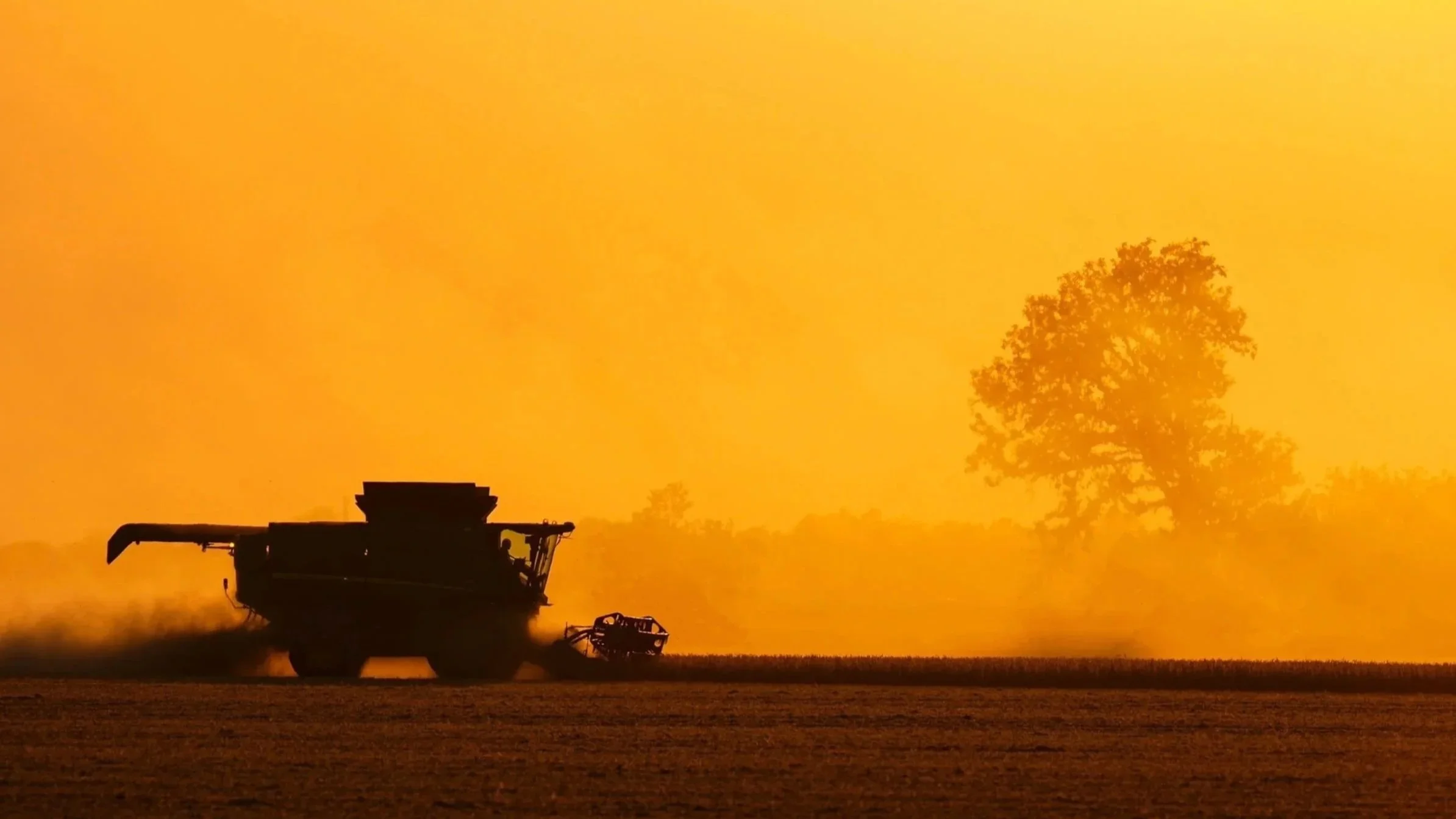
1. Fields
Soybeans harvested on the Warpup Farm in Warren, Indiana, on September 17, 2025.
Courtesy of The Atlantic, Michael Conroy / AP.
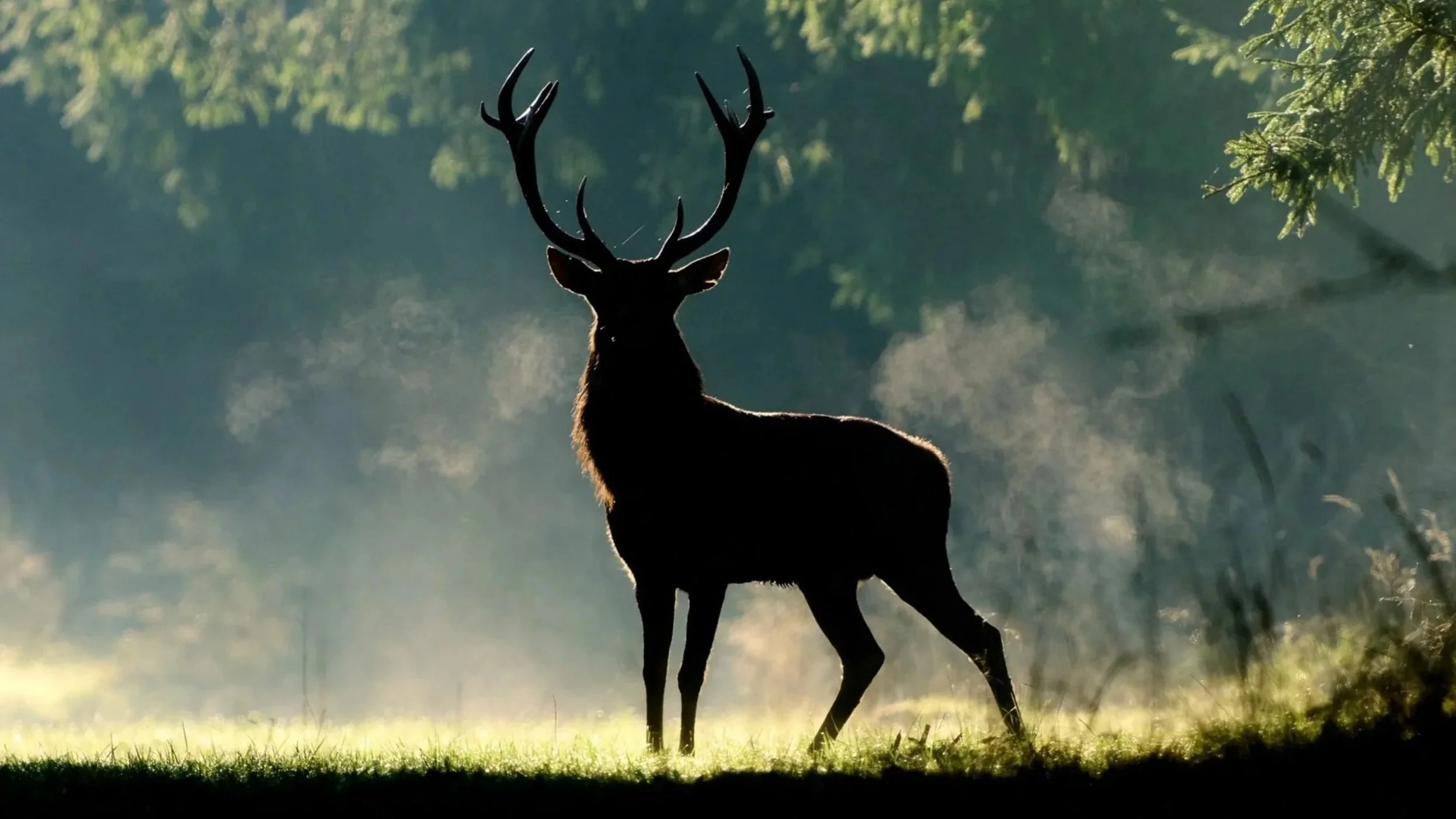
2. Stag
A silhouetted stag in a forest of the Taunus region in Frankfurt, Germany, on October 1, 2025.
Courtesy of The Atlantic, Michael Probst / AP.
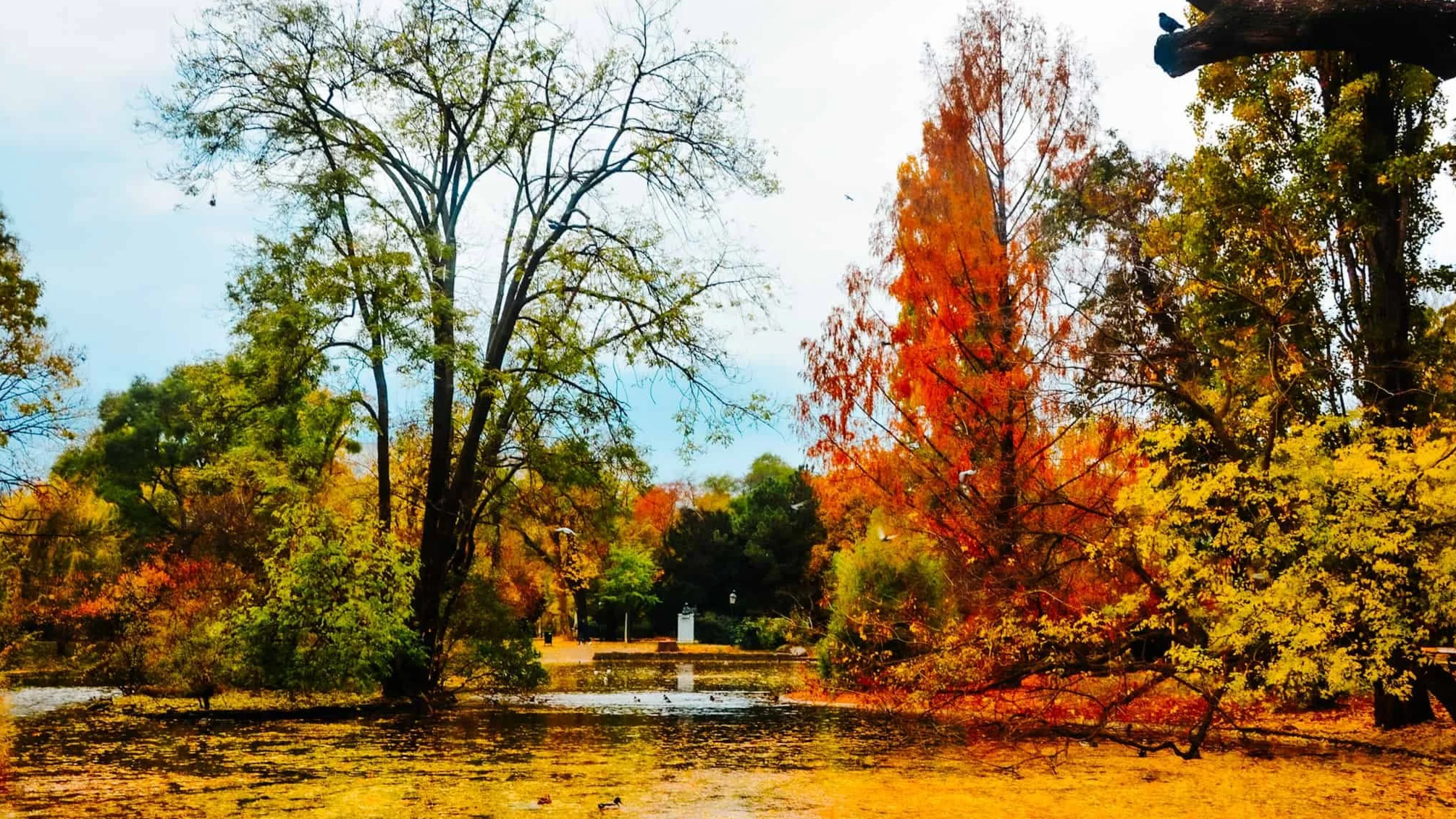
3. Park
The autumnal colours of the bucolic Stadtpark in Vienna, Austria, on November 7, 2015.
From my Vienna photography portfolio.
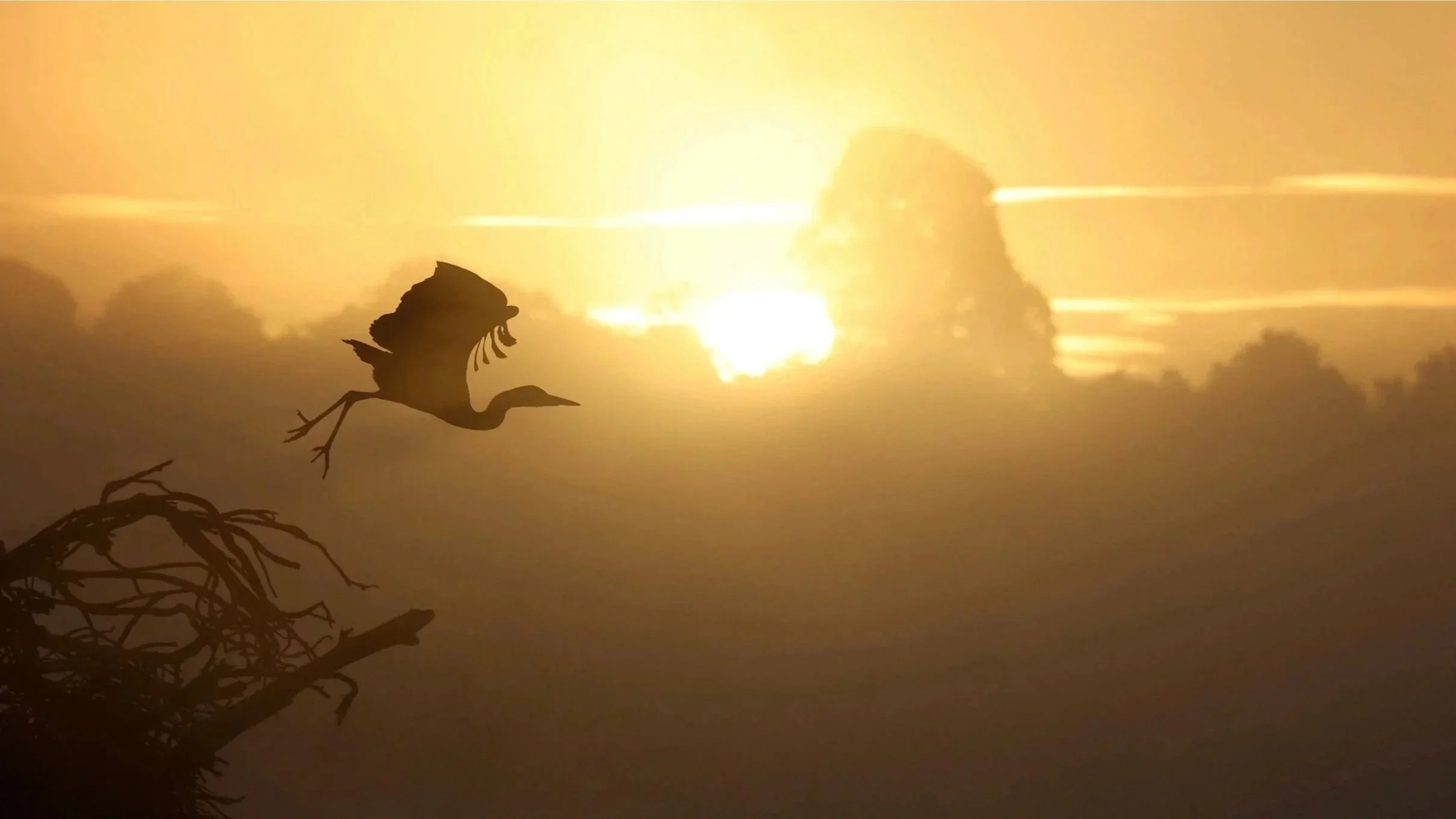
4. Heron
A heron takes flight during a misty early-autumn sunrise, in Richmond Park, London, England, on September 23, 2025.
Courtesy of The Atlantic, Toby Melville / Reuters.
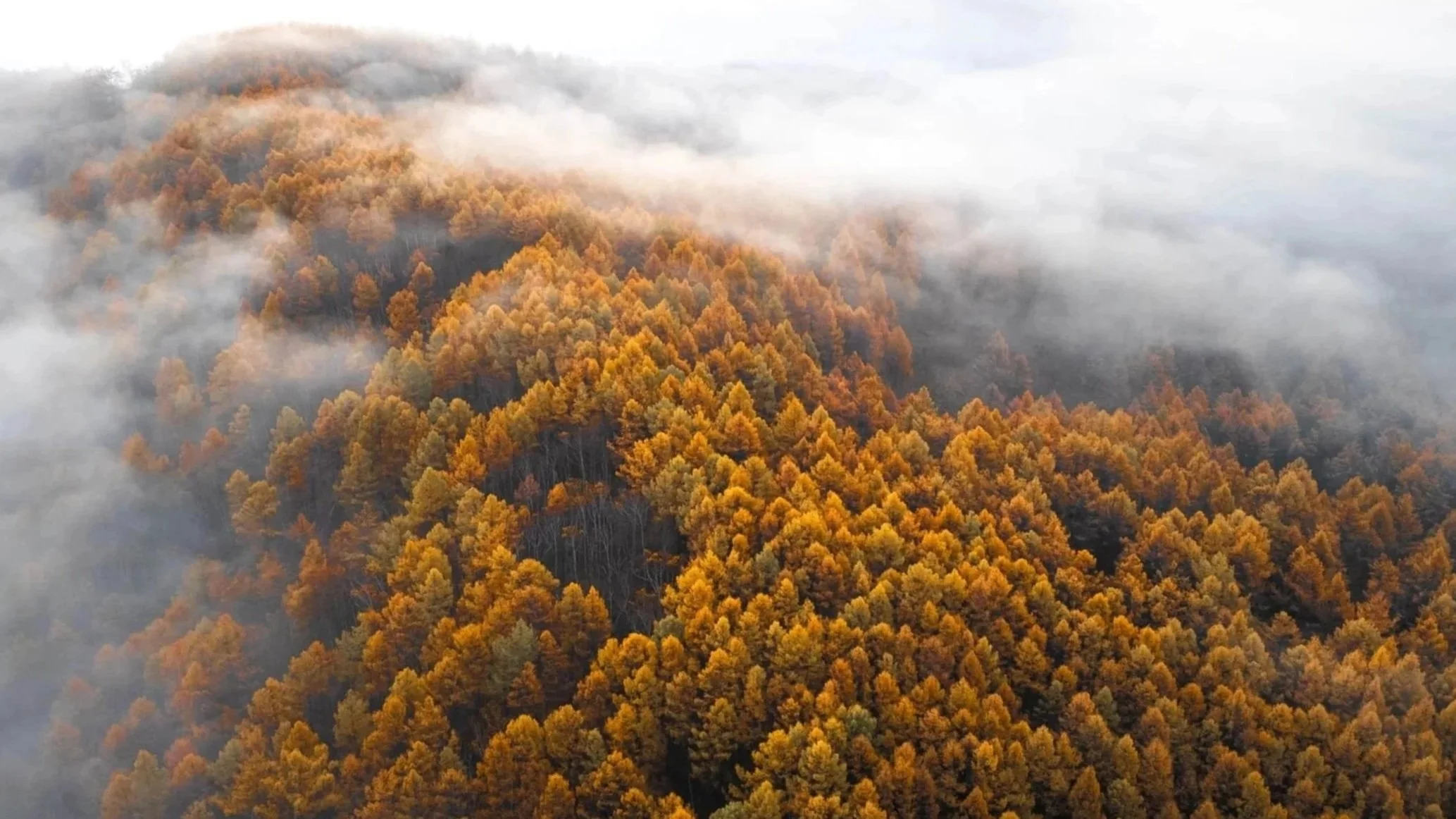
5. Forest
An aerial shot of the Arxan National Forest Park in China’s Inner Mongolia Autonomous Region on September 29, 2025.
Courtesy of The Atlantic, Bei He / Kinhua / Getty

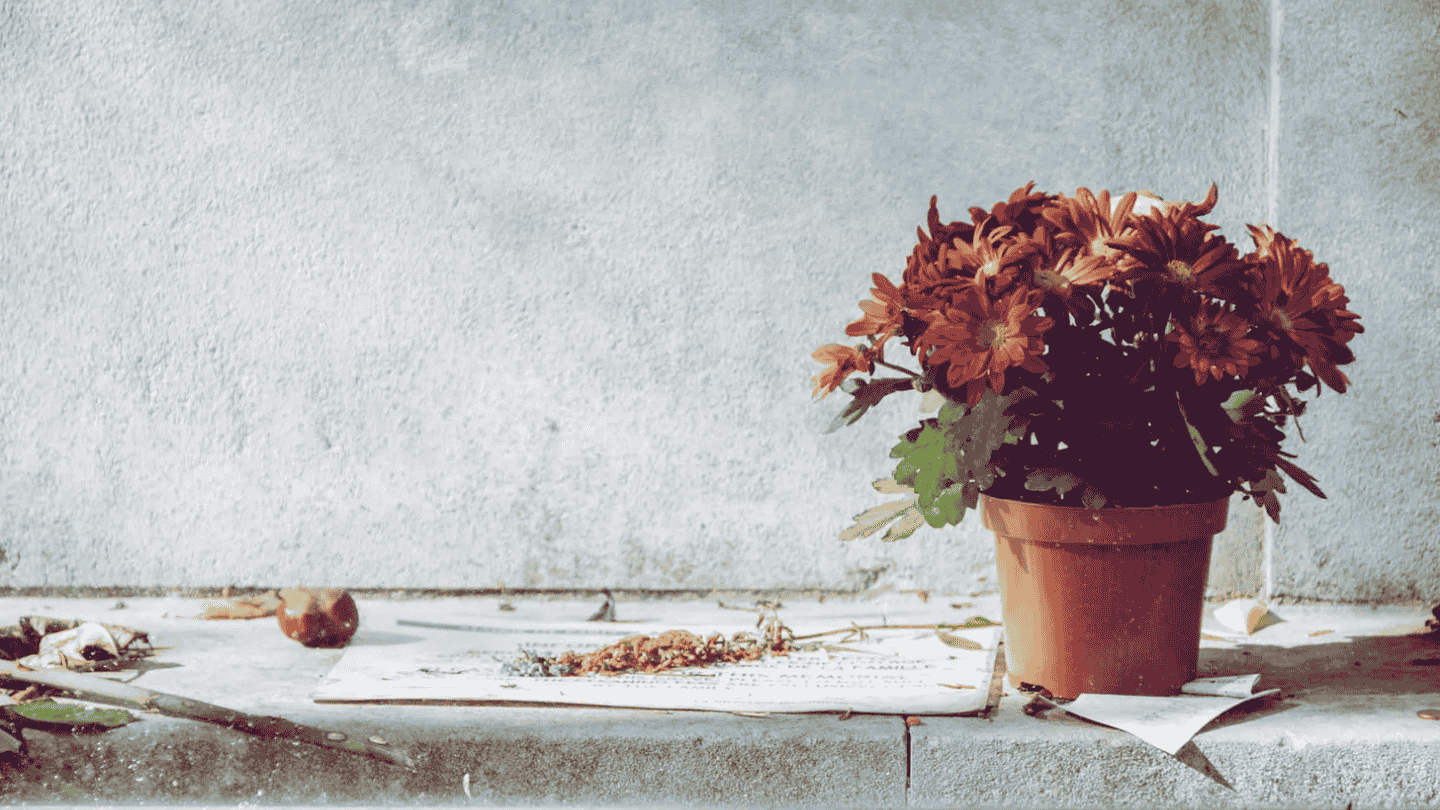
This week’s cover image is of Oscar Wilde’s gravestone in Père Lachaise cemetery, Paris. I took it on an autumn day in September 2015.
Wilde once said, “What is beautiful is a joy for all seasons and a possession for all eternity.”
Pass It On
If this idea was worth your time, it may be worth someone else’s.
Share this essay with a friend:
https://www.deeplifejourney.com/deep-life-reflections/3-october-2025
If you have a thought you’d like to share, please leave a comment below.
You can read all previous issues of Deep Life Reflections here.