
The Right to Remain Unseen
Why a life fully exposed is a life diminished.
Deep Life Reflections | Essay 173 | James Gibb
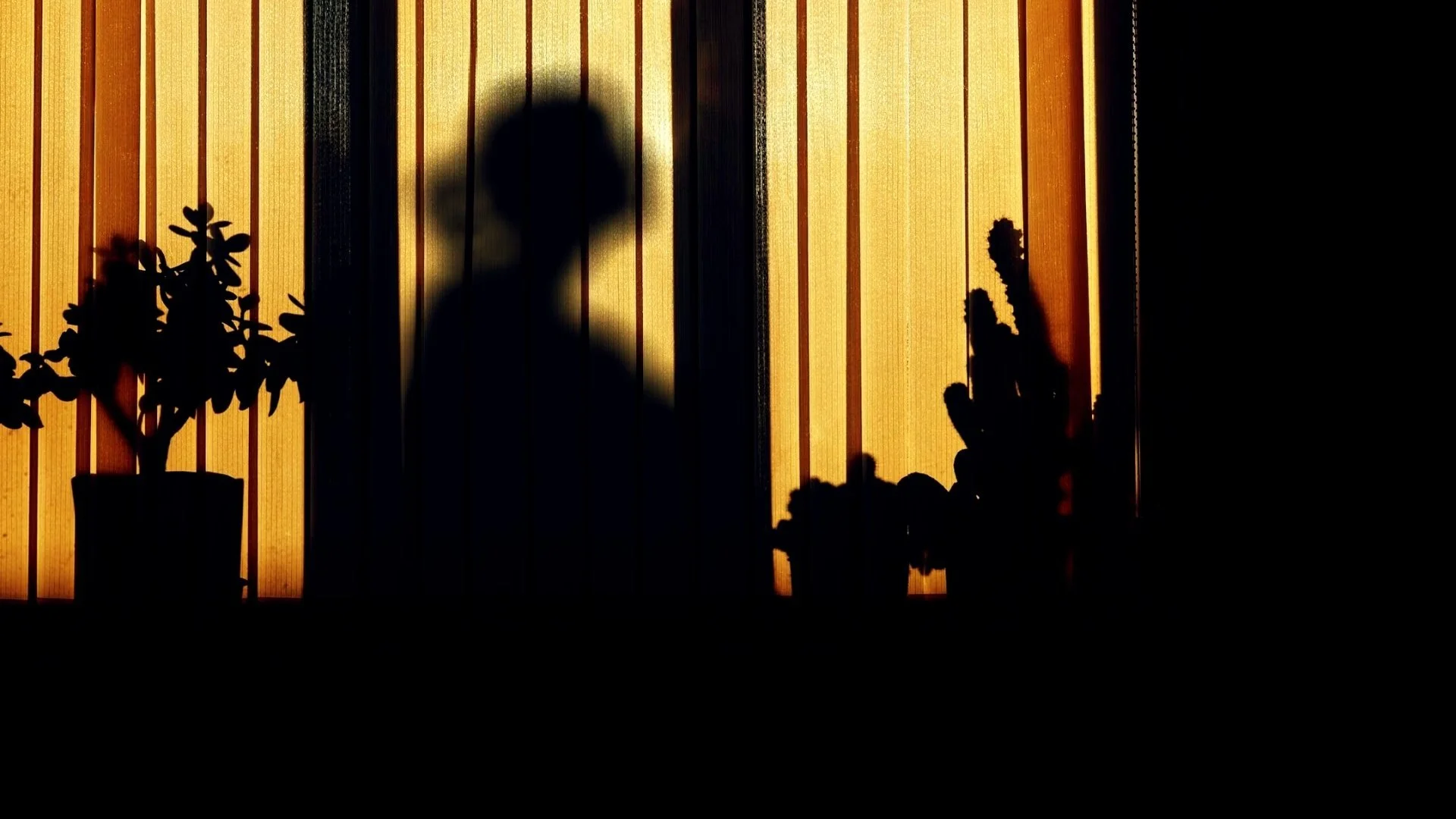
We become more fully ourselves when we keep part of our lives beyond public reach.
The idea of leading a truly private life in today’s hyperconnected world seems more absurd than ever. With human lives becoming ever more digital, the very notion of privacy may even seem quaint. Our personal information is abundant online, mobile apps are gateways to our bank accounts, and those parts of our lives not being tracked and turned into data are receding by the day. To live “off the grid” is to live in another century.
People have long been wary of intrusion into their personal lives. We can trace this back to the first photograph, taken in 1826 by French scientist Joseph Nicéphore Niépce in his garden. In the 19th century, the idea of a photograph stirred fear that the camera might someday reach deeper, probing people’s minds. Mind-reading cameras are not our fear today. Today our anxieties concern digital devices and the ways they track, analyse, and sometimes manipulate our behaviour.
Many books have been written on the subject. One of the best is by a writer and teacher at Stanford University, Lowry Pressly. Pressly teaches courses on the ethics and politics of artificial intelligence, privacy, and surveillance. His 2024 book, The Right to Oblivion: Privacy and the Good Life, argues that privacy is both a political right and essential to a life worth living.
Pressly believes true privacy isn’t just freedom from data collection or surveillance. Rather, it’s a space we need, a form of what he terms ‘oblivion,’ where real depth and personality can exist away from public view. Privacy, he argues, is more than just shielding information. It is a deliberate retreat from constant exposure, allowing us room for mystery and introspection. He quotes filmmaker Werner Herzog: “You cannot live if everything is illuminated, explained, and put on the table.” Pressly believes we need this shadow, this darkness, to nurture qualities that data can’t capture, such as creativity, sorrow, joy, and love. Without it, we risk seeing ourselves just as ‘data subjects,’ reduced to descriptions and records that miss the parts of us data cannot measure.
Viewing ourselves as data points has consequences. Our inner lives can become shallower, and our relationships suffer. Sleep trackers are a good example. A good sleep score can start to matter more than whether we actually felt like we had a good night’s sleep. LinkedIn posts are another. Or Strava runs. I’ve watched both become less about what people actually think or did, and more about how they want to be seen thinking or doing.
When our private lives are eroded, the trust and meaning that connect us to others lose their foundation. Pressly suspects that fear drives much of our compulsion to stay online, to compulsively curate our social networks like presidential libraries. He suggests these acts are understandable attempts to regain control over how our identity is managed, seen, and understood, a paradoxical reaction to the loss of privacy.
The solution he offers is to embrace a version of ‘oblivion’ by rediscovering the freedom of being temporarily forgotten. In reality, this might mean putting a little more distance between ourselves and our public persona, protecting space and time to reflect on what cannot be easily explained, measured, or shared. It might mean taking a walk without recording the route, enjoying dinner without (the horror) photographing the plate, or allowing a private thought to remain in one’s head rather than turning it into ‘content.’ It’s a balancing act between the two ancient Greek maxims: “Know yourself,” and “Nothing in excess,” both of which are etched on the same stone. The implication being there are ethical limits to self-knowledge; that we need our hidden and unnoticed spaces, perhaps more so than ever.
In our digital age, complete privacy isn’t a realistic goal. So much of our day-to-day lives are online, much of it now a necessity (banking, government services, ID authenticators). But we can strive to guard our most personal thoughts and experiences from public consumption. In these protected spaces, we might be able to explore ourselves without feeling the need to justify why.
Growing into a fully defined self requires a little darkness and shade. Each of us lives partially in shadow. We always have.
This might be something we start striving to protect.
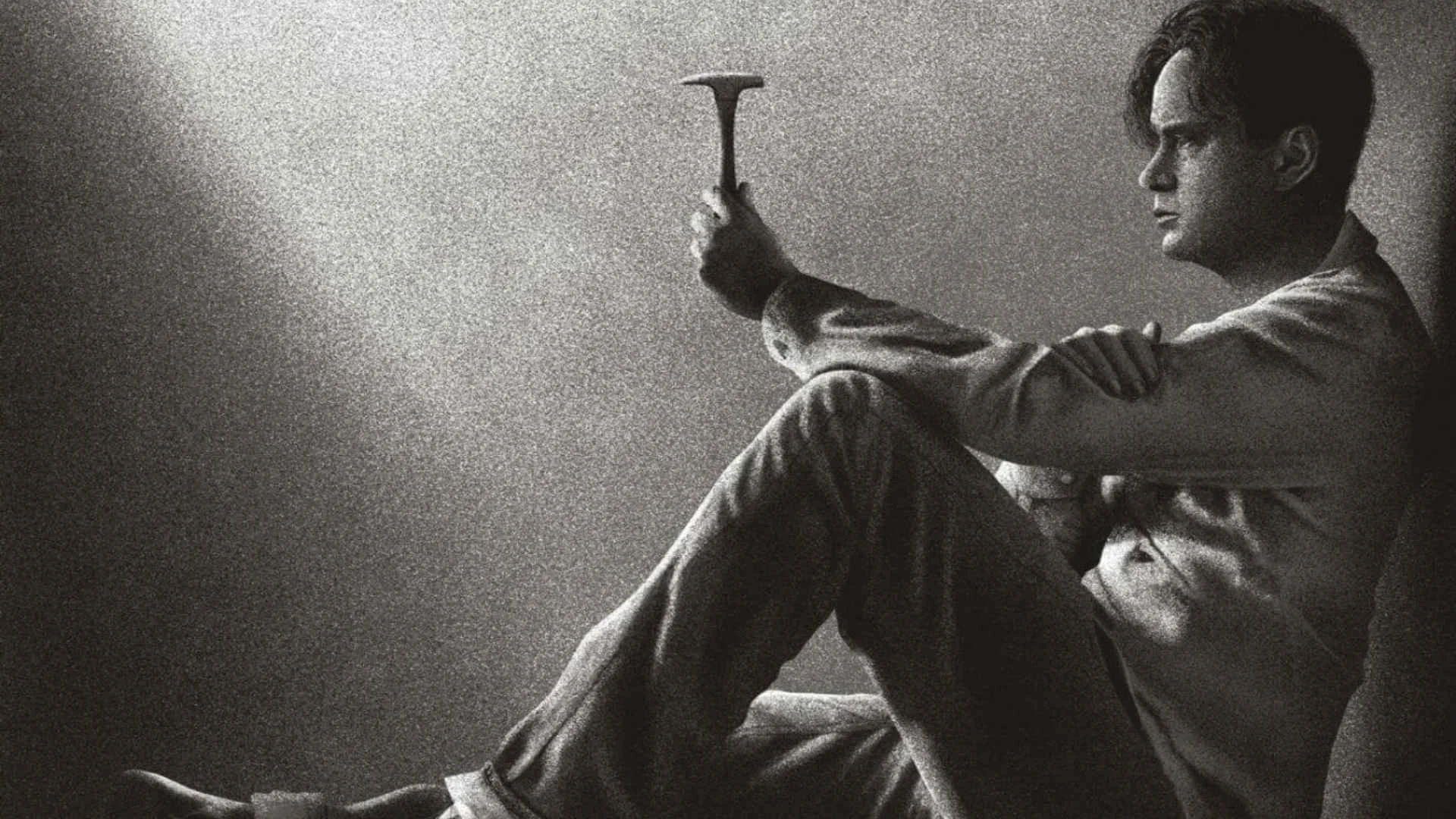
A film that captures Pressly’s idea of privacy as a condition for a deeper life is The Shawshank Redemption. This might seem like a strange choice at first glance. Isn’t the film about hope, freedom, and perseverance? Well, yes it is, but in the character of Andy Dufresne, we also have a man protecting a part of himself no one else can reach. Andy is deep in the richness of the shadows.
The Shawshank Redemption is now thirty-two years old, which doesn’t seem possible. Back in 1994, it opened to mixed critical reviews, middling box-office takings, and won zero Oscars despite seven nominations. Fast forward three decades and the film has the distinction of being ranked #1 on IMDb. This puts it ahead of The Godfather, Citizen Kane, Star Wars, and any other film you can think of. That’s quite a comeback story, a long con as steady and methodical as spending two decades chipping away at a prison wall with a ten-dollar rock hammer.
I don’t believe The Shawshank Redemption is the greatest film of all time, but it is a great film. The universal themes of yearning, friendship, and justice are at its core, with an ending as soaring as anything Hollywood has ever done. It also has Morgan Freeman. When one thinks of the film, it’s hard not to hear his serene, soulful voice narrating with a gravitas that immediately signals something life-affirming is taking place.
Based on Stephen King’s novella, The Shawshank Redemption is an old-fashioned prison drama with a story King himself admitted was inspired by old prison films he grew up watching. Banker Andy Dufresne (Tim Robbins) is sentenced to two consecutive life terms for the murder of his wife and her lover and sent to Shawshank State Prison in 1947. When Ellis ‘Red’ Redding (Freeman) first sees Andy, he misjudges this tall, thin, white-collar man as weak. Instead, prison just sharpens Andy’s resolve, although his early years are far from easy, fending off repeated sexual assaults, and not always successfully.
When Andy comes to Red to buy a rock hammer to carve chess pieces, they form a friendship and kinship that becomes the heart of the film. Andy is quiet, meticulous, private, and intelligent, qualities that make him an unusual inmate. Though Tom Hanks was originally offered the role (which he had to turn down due to scheduling commitments with Forrest Gump), Robbins’ understated portrayal, combined with his slight physicality, is a perfect fit, lending Andy an unassuming strength.
Hope is the film’s foundation. One of its most famous lines is when Andy tells Red, “I guess it comes down to a simple choice, really. Get busy living or get busy dying.” This is poignantly paralleled in the story of Brooks, their elderly friend, released after fifty years only to find himself overwhelmed by the outside world. “Terrible thing to live in fear,” Red later reflects. What makes Red and Andy such great characters is their ability to work the angles; they learn to define hope and freedom from behind cold iron bars. It gives them their power and humanity. “Hope is a good thing, maybe the best of things, and no good thing ever dies.”
While hope and friendship drive the film, this more subtle theme emerges around privacy. Andy tells Red, “There are places in this world that aren’t made out of stone. That there’s something inside… that they can’t get to, that they can’t touch. That’s yours.” Andy works in the shadows, in the depths. If his relationship with Red represents his open self, the part willing to engage with the world, his quiet and meticulous side symbolises the shadowed part no one sees. It’s this hidden side that conceals his plan to escape and enables him to maintain both his survival and his self-respect.
Without it, he would not be able to create that beautiful ending that so uplifts him and us.
Today, we know more about ourselves, others, and the world than ever before. Information floods our lives: endless updates from friends, family, and celebrities; precise data on every aspect of our health; recorded facts about science and history. But does this unprecedented bounty of information about human life mean we understand it more clearly or more deeply? I’m not so sure.
Andy Dufresne shows us the value of keeping something back. His resilience and meticulously crafted escape plan depend on his determination and ability to keep certain parts of himself hidden, protecting a private world beyond anyone’s reach. This ultimately leads to his freedom. The Right to Oblivion makes a similar case in a different way, reminding us that everyone lives partially in shadow. We need those hidden spaces. Without them, we risk losing the freedom to become who we are.
Life often involves both showing and shielding our true selves. This stands in contrast to the popular wisdom that we should ‘be vulnerable.’ Perhaps instead we should consider being intentional about who we’re vulnerable with and why. Not everything needs to be in the public domain. There’s a reason we continue to fight for privacy.
We don’t become ourselves by revealing everything, but by knowing what to keep.
Pass It On
If this idea was worth your time, it may be worth someone else’s.
Share this essay with a friend:
https://www.deeplifejourney.com/deep-life-reflections/july-10-2026
If you have a thought you’d like to share, please leave a comment below.
You can read all previous issues of Deep Life Reflections here.