
Unannounced
Moments that matter appear, move us, and then they’re gone.
Deep Life Reflections | Essay 123 | James Gibb
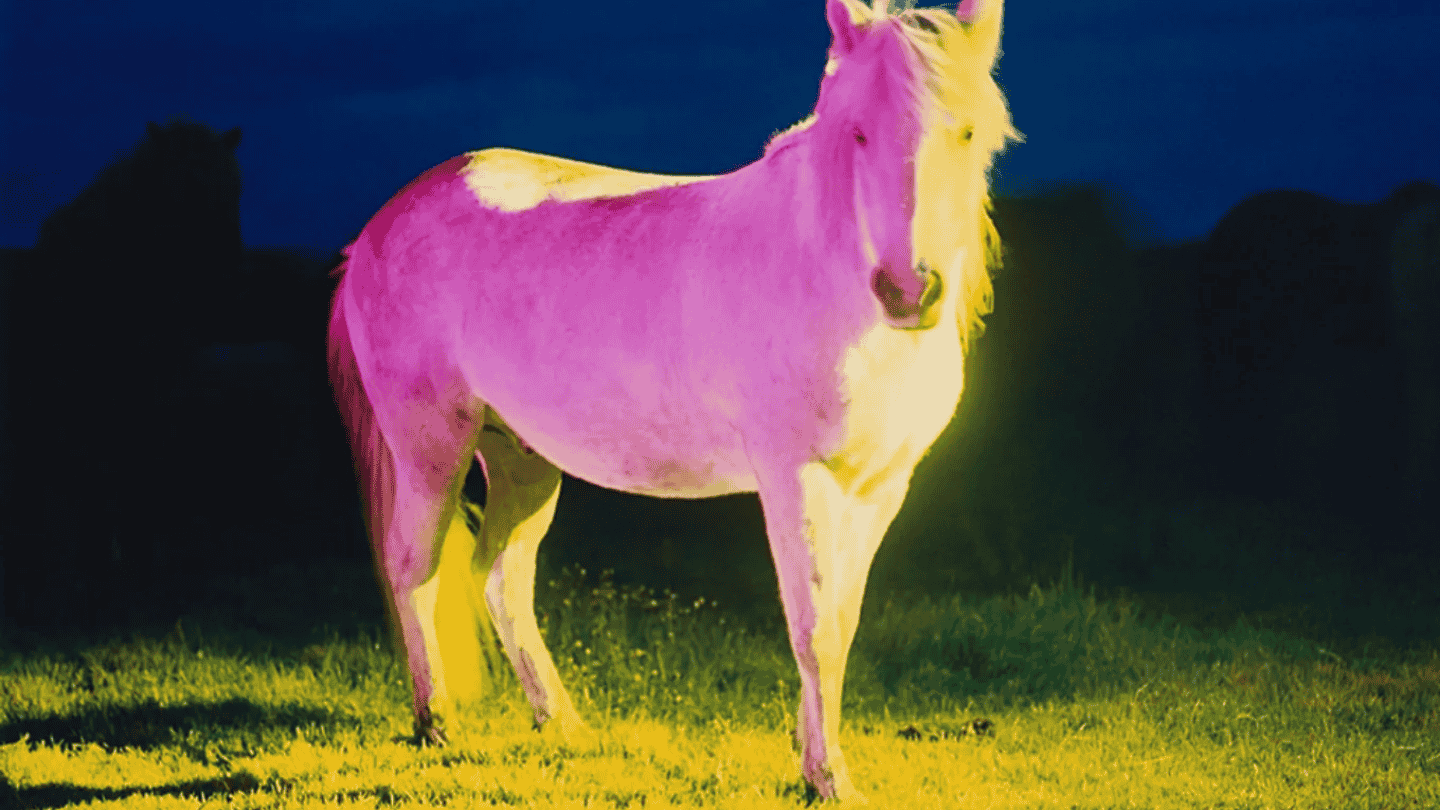
Some of the most important moments in life give no notice. And refuse to repeat.
This week I read a poem called Your Horses by Jodie Hollander. I’ve shared it below, along with a few reflections.
YOUR HORSES
A poem
By Jodie Hollander
YOUR HORSES
A poem
By Jodie Hollander
After Ted Hughes
Out on the moors in the late June light,
I stood where the infinite hills halved the sky
and saw where you first saw your horses.
Were they left over from a fever dream,
dropped momentarily from some other planet?
But in that instant, they existed: ten of them,
megaliths with draped manes and tilted
hind hooves; each utterly silent, unmoving
in the icy morning air. As you passed by,
the big sun erupted, darkness shook open
and showed you its fires. But your horses
remained: patient and gray, statue-like
in the iron light, enduring on the horizon.
In the crowded streets of London, amid
the sea of admiring faces, the scandals,
the accolades, did you ever again find
so peaceful a place? Or are you still out
there, slipping through hills, hiding
in the trees, lying in the heathers,
combing the barren moors, still searching?
I’ve come to appreciate the form of poetry and how a good poem can open a door to something deeper. Your Horses feels like that.
I like the mood and tension in the poem. The idea that the horses represent something enduring, balanced, and solid: “statue-like,” “unmoving,” and “patient.” Yet they also seem fleeting, almost otherworldly, ”dropped momentarily from some other planet.” They are both real and dreamlike, a vision you can see but can’t quite hold.
Horses have carried us through history, across fields, into battle, helping languages and cultures to spread. Yet here they are not tools of progress but metaphors for something far more profound.
The sub-title After Ted Hughes isn’t a casual nod. Hughes’ own poem The Horses is a meditation on silence and nature’s stillness. Amid the fame and noise of Hughes’ later life, Hollander appears to be asking whether he ever truly left that primal encounter with the horses on the moors.
The poem contrasts the wildness of nature with the trappings of public life and success, “the crowded streets of London… the scandals… the accolades.” That fleeting moment of mystical connection on the moors stands against a lifetime of acclaim and distraction.
It suggests that once we glimpse a moment of real stillness or peace, perhaps even a kind of spiritual awakening, we may spend our lives trying to get back to it. But like wild horses, it can’t be summoned. It arrives unannounced, and then it’s gone.
Such moments remind us that beauty and peace do exist, even when life makes us doubt it.
And that is enough to keep looking.
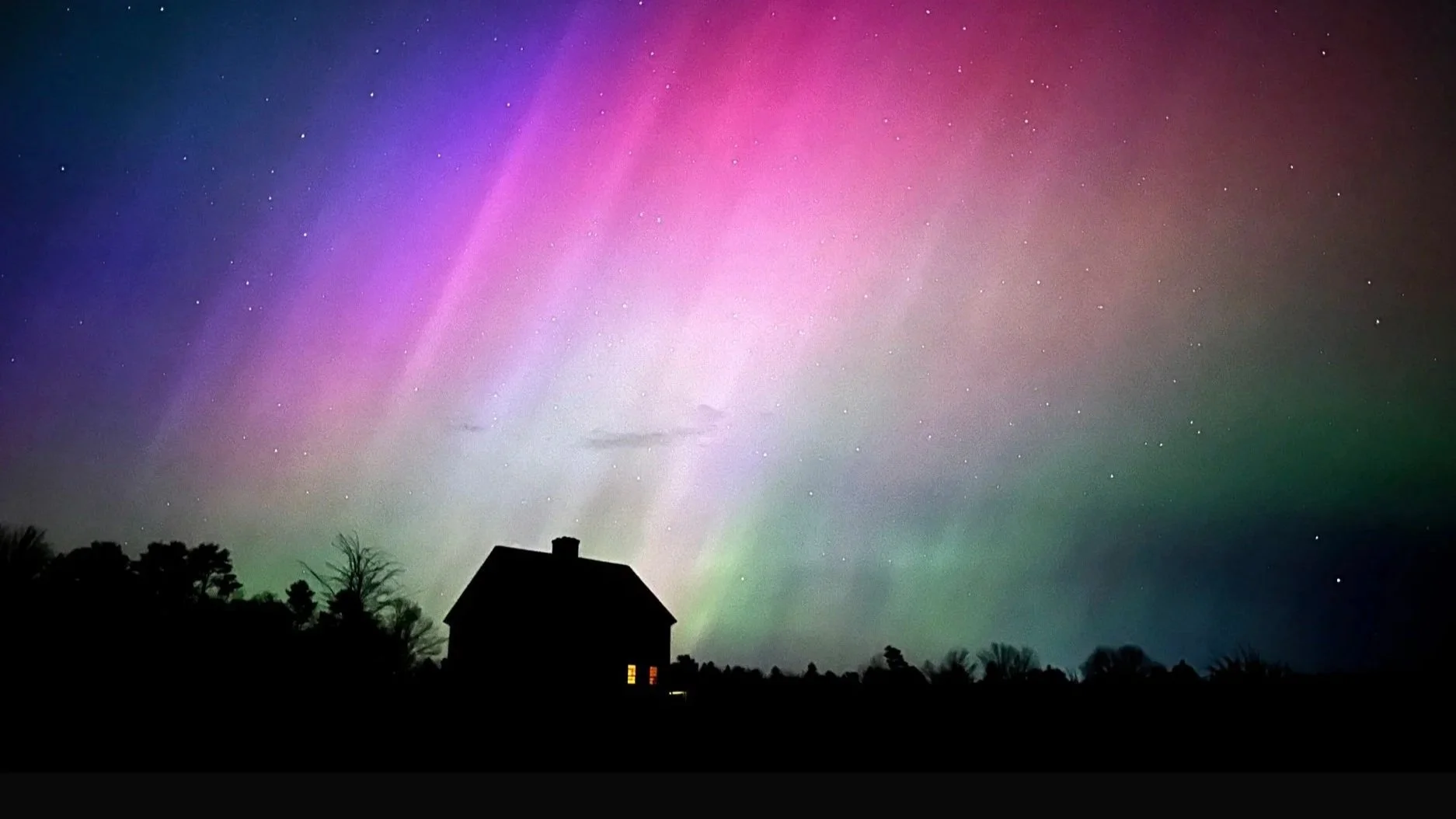
That same feeling—the rare, unrepeatable moment—appeared again this week in a photograph. A farmhouse in Brunswick, Maine. It was part of a collection of otherworldly photographs of the Northern Lights illuminating the skies over North America.
It feels almost cinematic, like a scene from Close Encounters of the Third Kind. A rustic farmhouse cloaked in darkness save for the dim light of two rooms, bathed in the luminous rays of the ethereal skies.
Like the poem, this wonder of nature is fleeting, arriving unannounced. People spend years hoping for a glimpse of the aurora borealis. I hope to see it myself one day.
But even when we see it, when we take in its majesty, we keep looking.
For something we’ve already seen once. And never quite forgot.
Image Credit. The week’s front cover was created by Gareth McConnell.
Pass It On
If this idea was worth your time, it may be worth someone else’s.
Share this essay with a friend:
https://www.deeplifejourney.com/deep-life-reflections/july-25-2025
If you have a thought you’d like to share, please leave a comment below.
You can read all previous issues of Deep Life Reflections here.