
Deep Life Photography | Visual EssaysChernobyl: The Exclusion Zone
In Context
I remember Chernobyl. I was ten years old. At that age I had no real understanding of what had happened, except that it was bad because it was on the evening news all the time. In the early hours of April 26, 1986, Chernobyl’s nuclear reactor No.4 exploded, tearing off the concrete roof and blasting over 100 radioactive elements into the atmosphere. It’s one of only two nuclear energy accidents rated at seven—the maximum severity—on the International Nuclear Event Scale. Chernobyl has since become a byword for catastrophe.
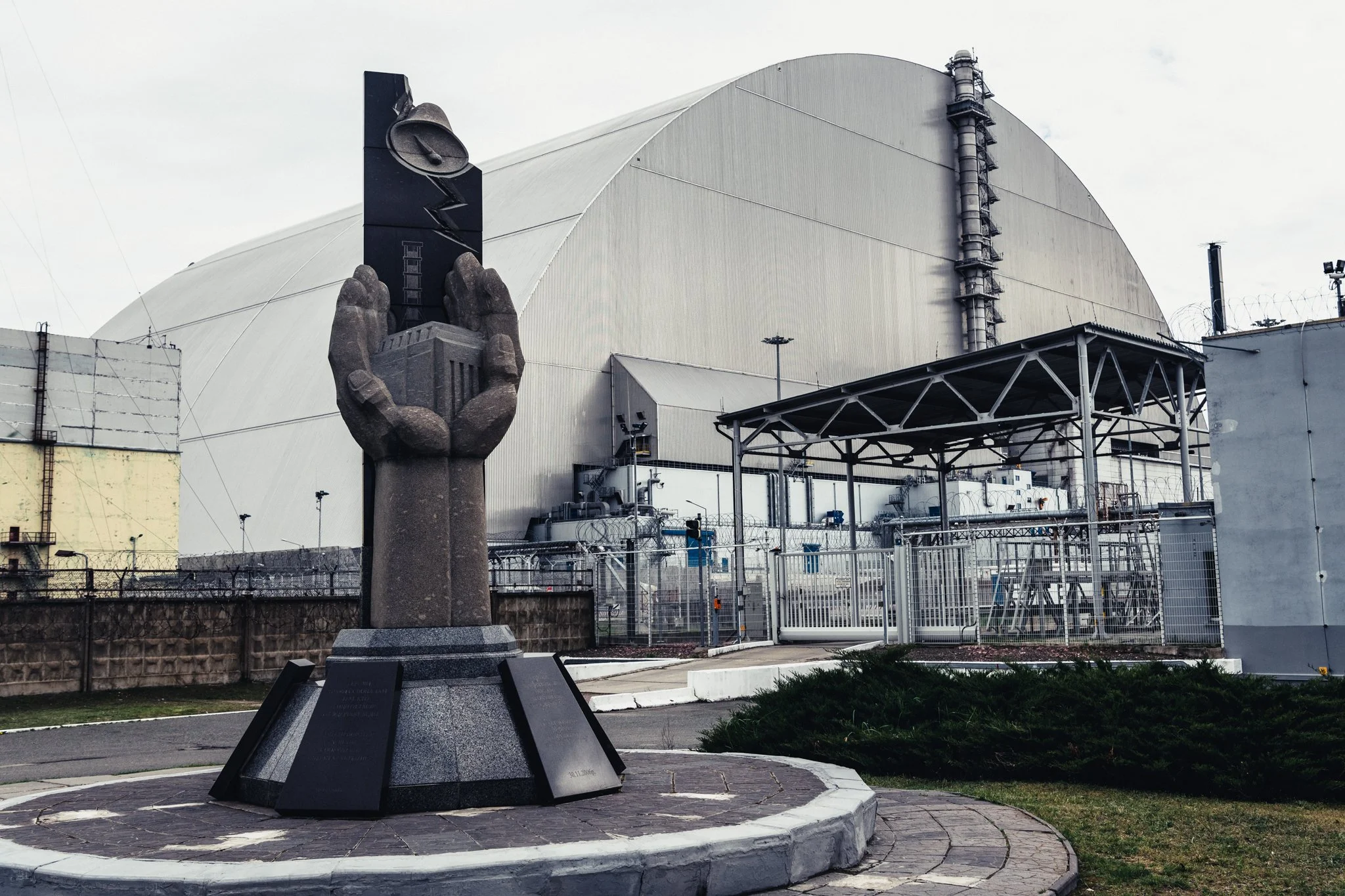
In 2021, thirty-five years after the accident, I spent six hours in the exclusion zone around Chernobyl. The exclusion zone includes the nuclear plant, the abandoned town of Pripyat—where many of the plant workers lived—and the town of Chernobyl itself where I was told the last two statues of Vladimir Lenin in Ukraine can be found, almost frozen in time. Like the whole area.
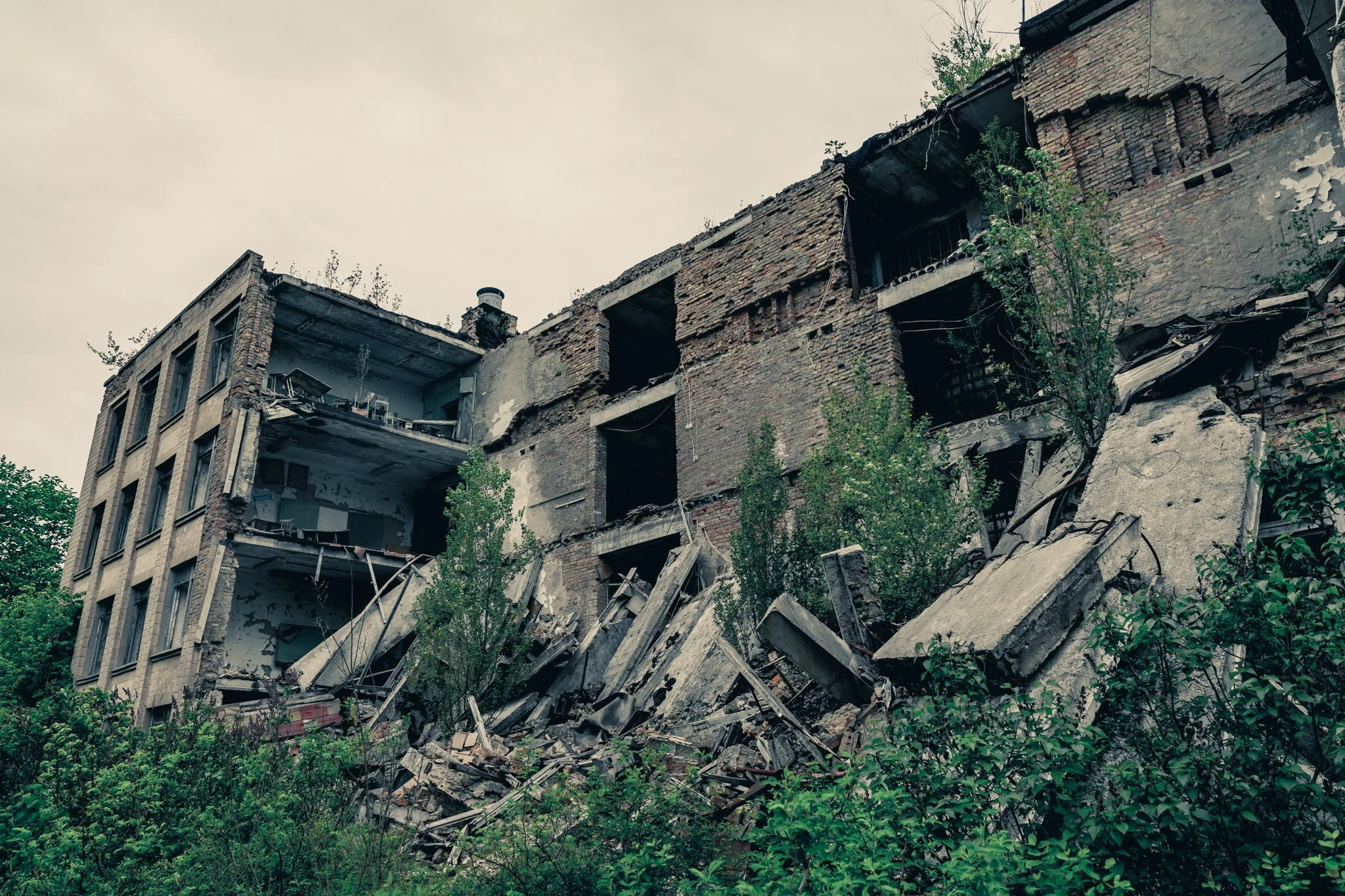
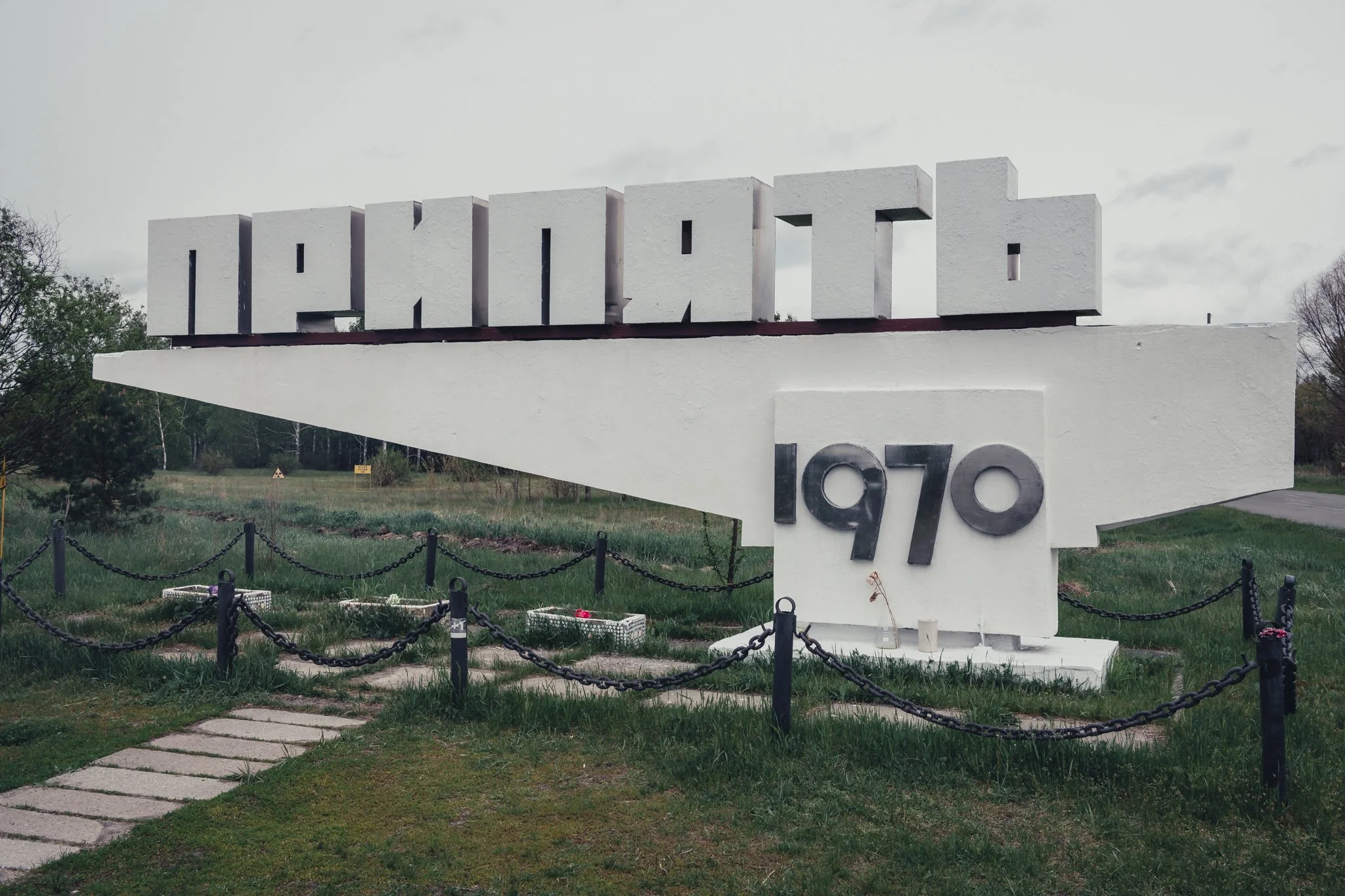
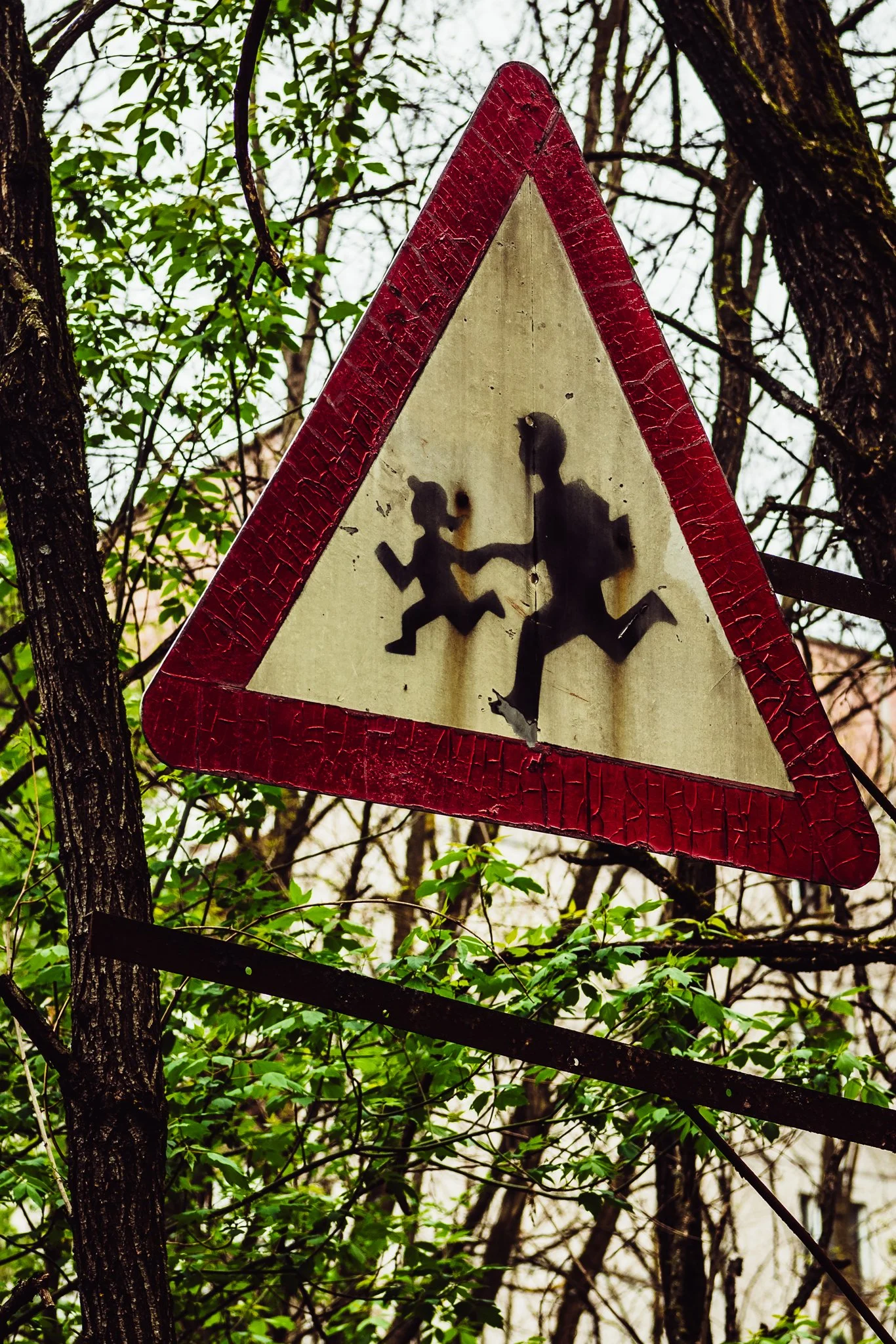
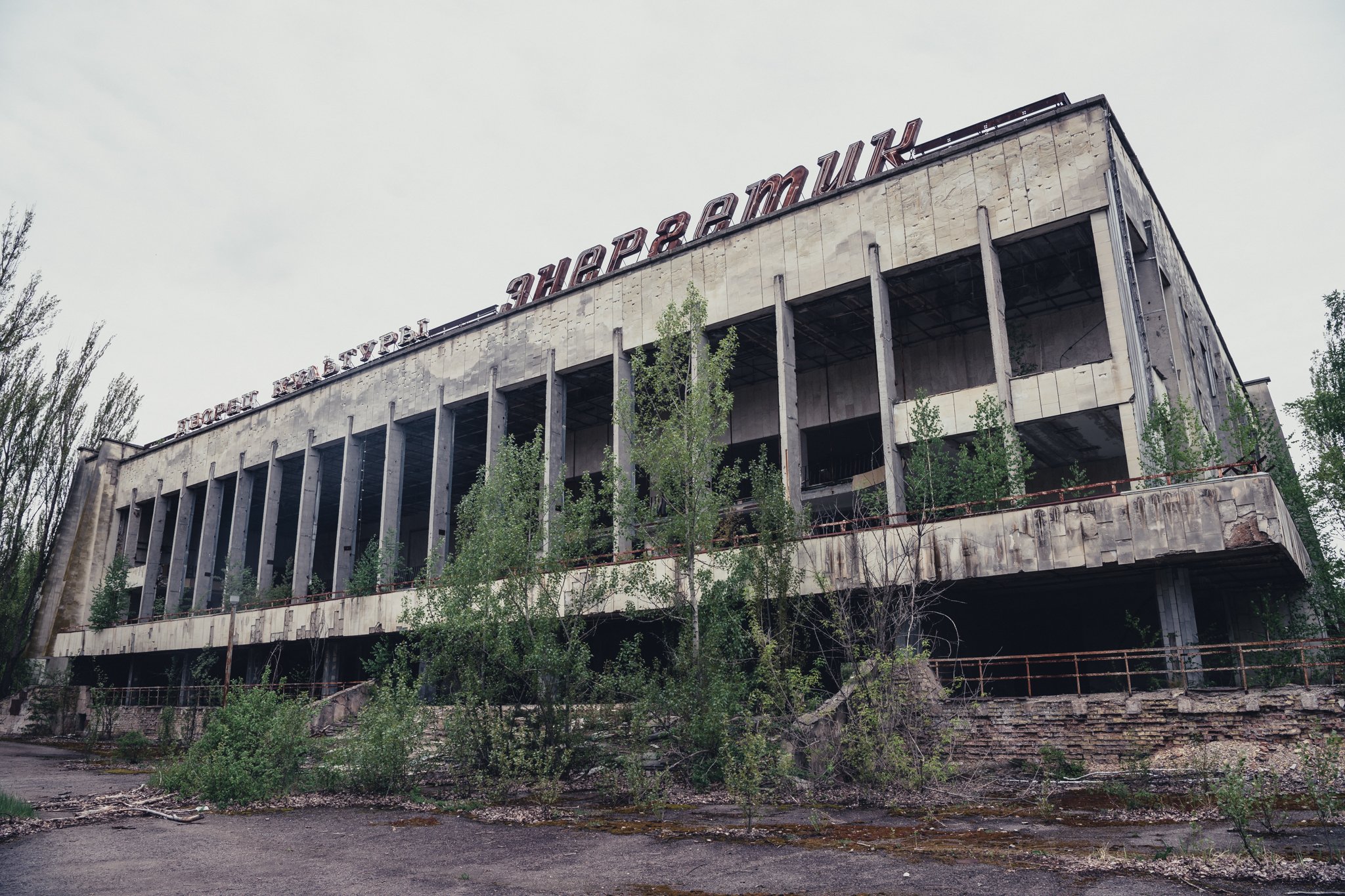
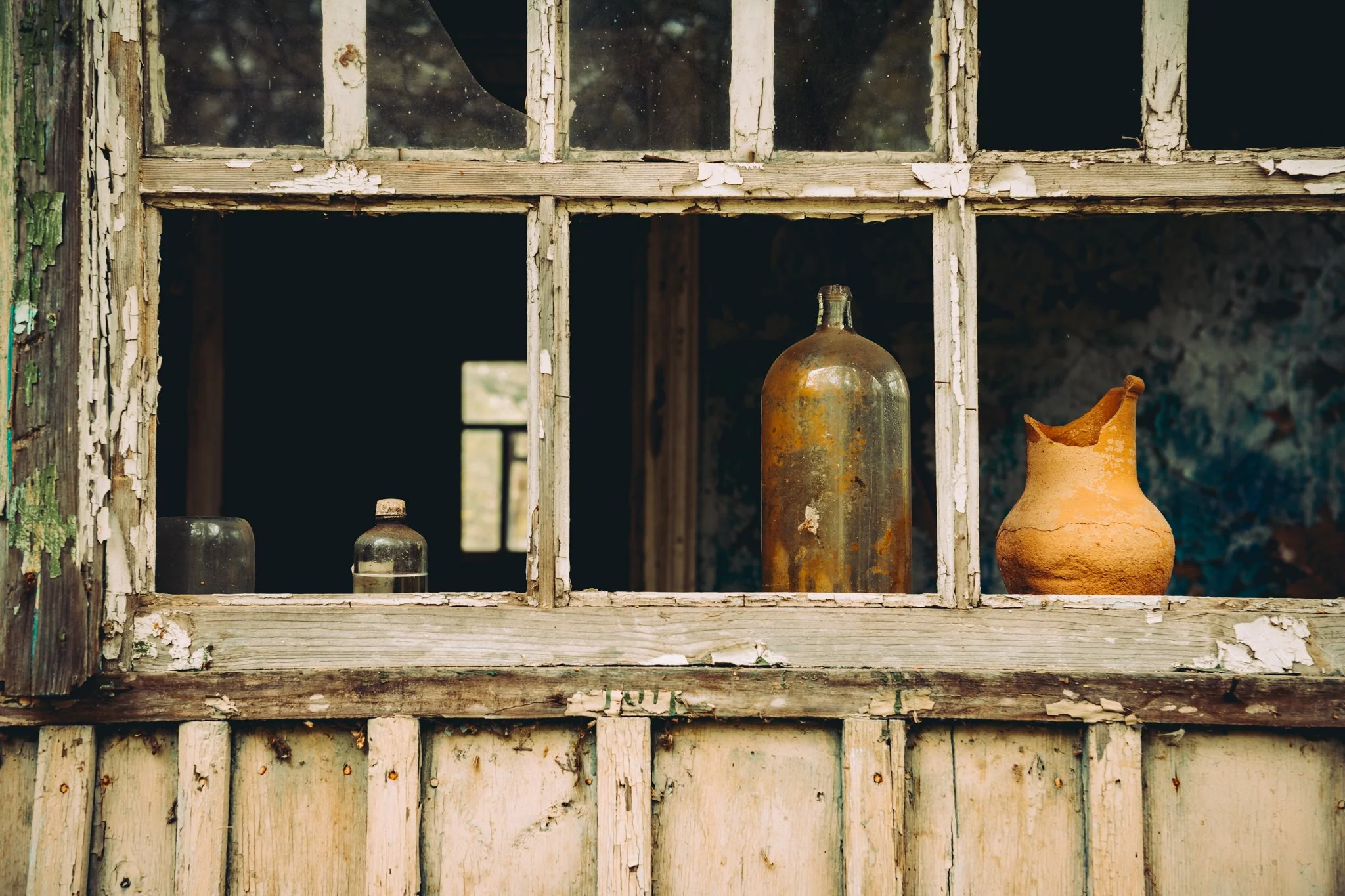
Many of the photos I took that day were of Pripyat, only three kilometres from the plant. The town was built in 1970 and 50,000 people lived here. Thirty-six hours after the accident they were told to evacuate. Pets were left behind and they were told to bring only one case of personal items. They expected to return. They never did.
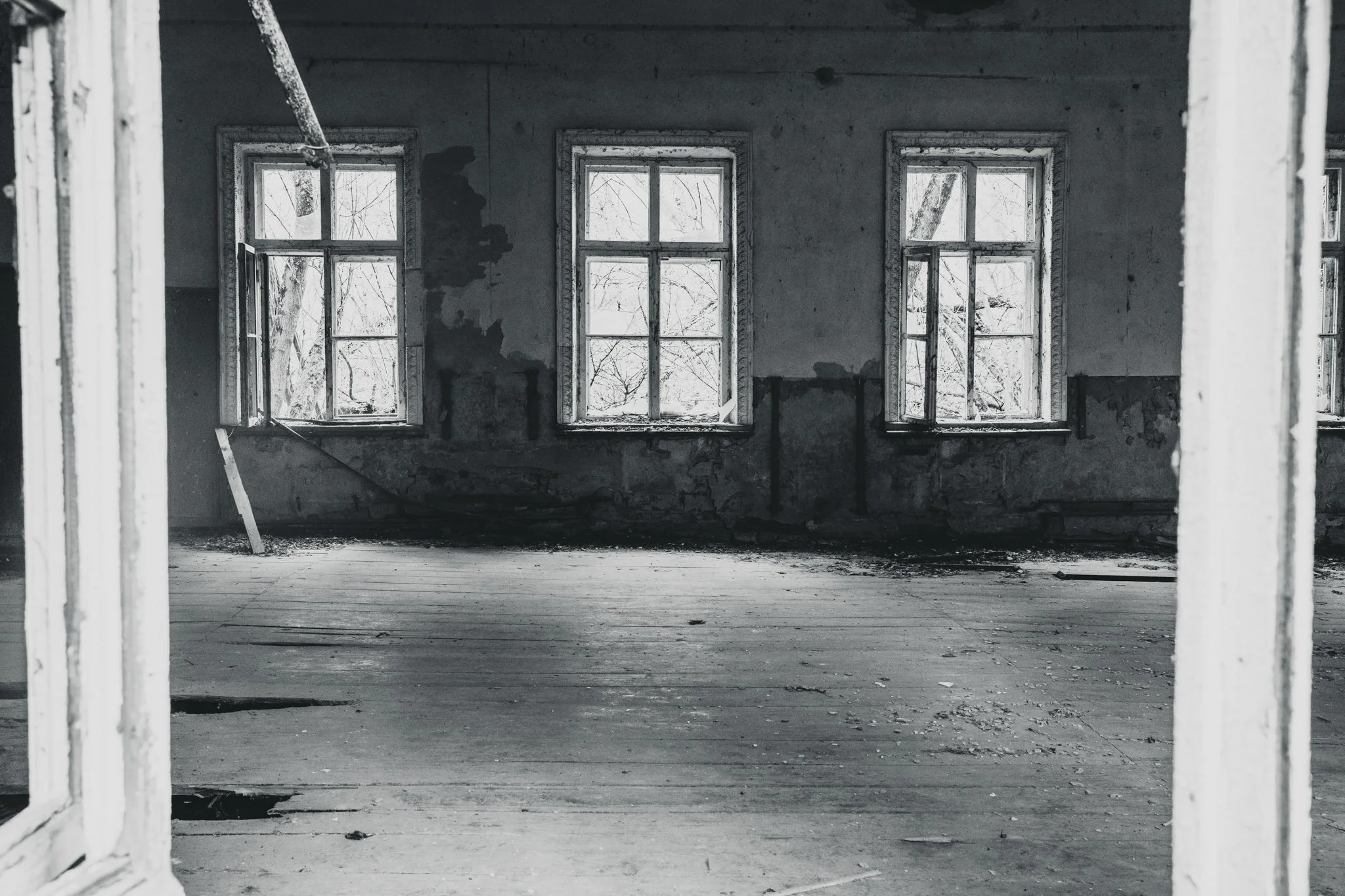
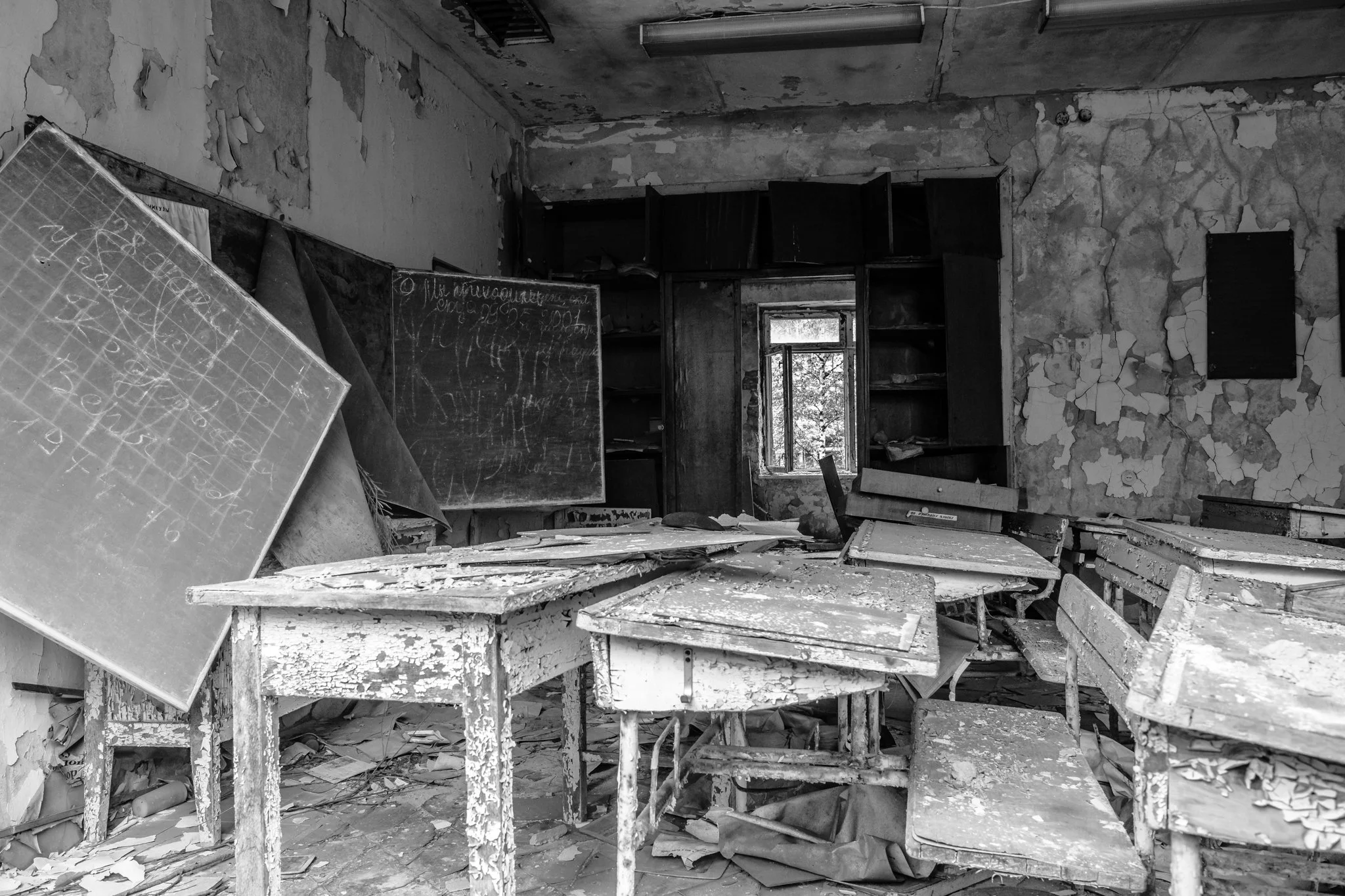
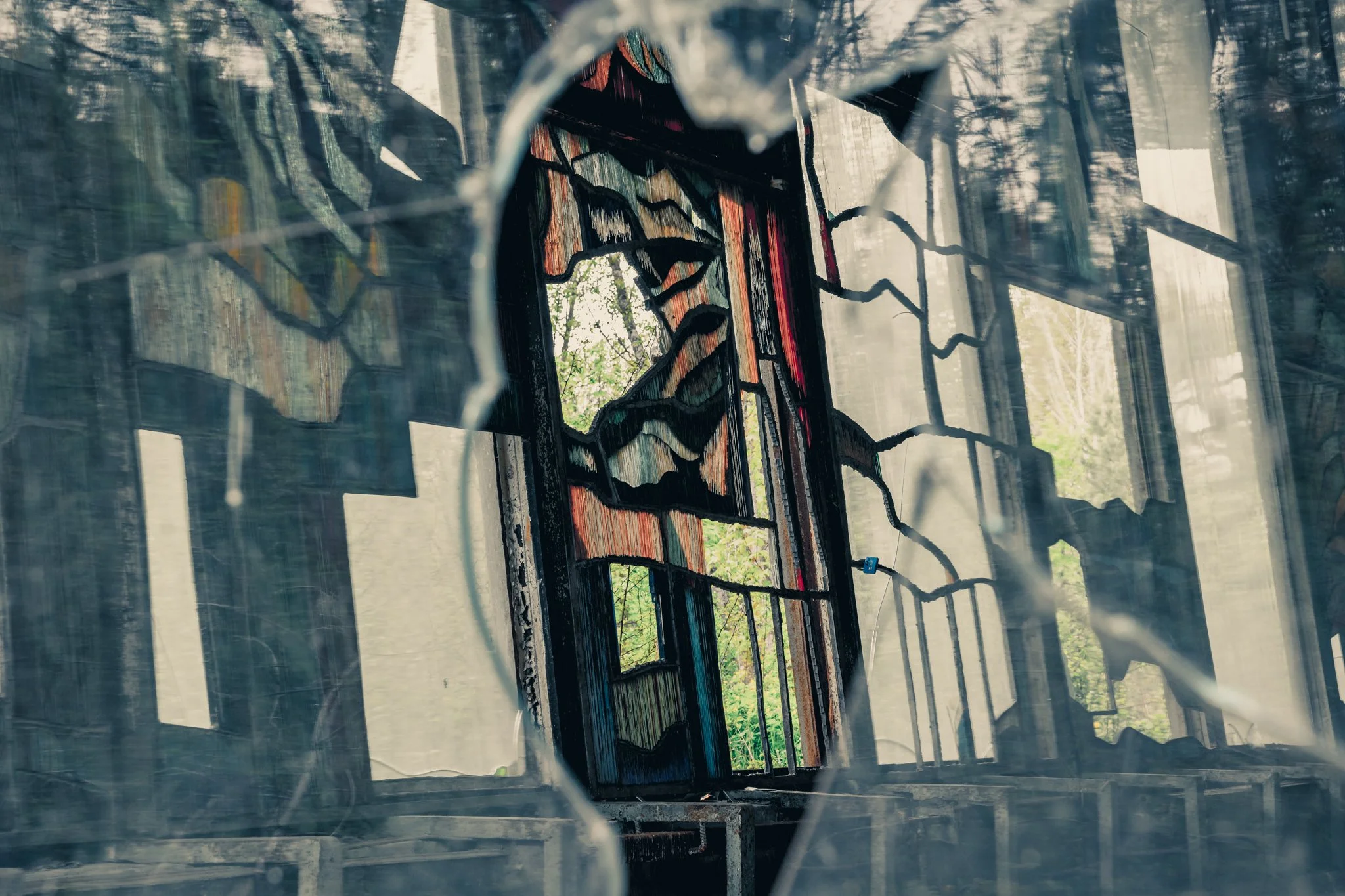
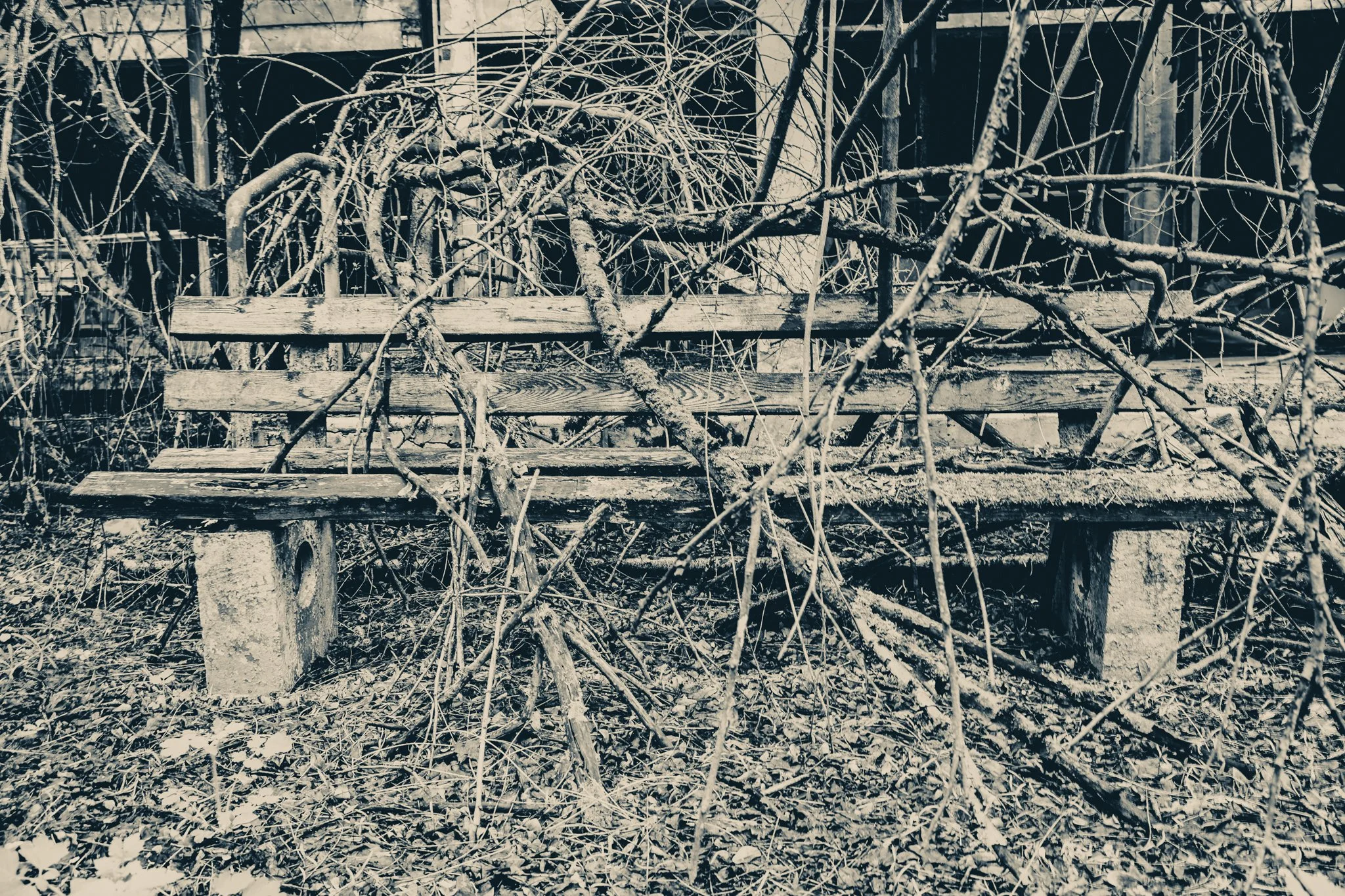
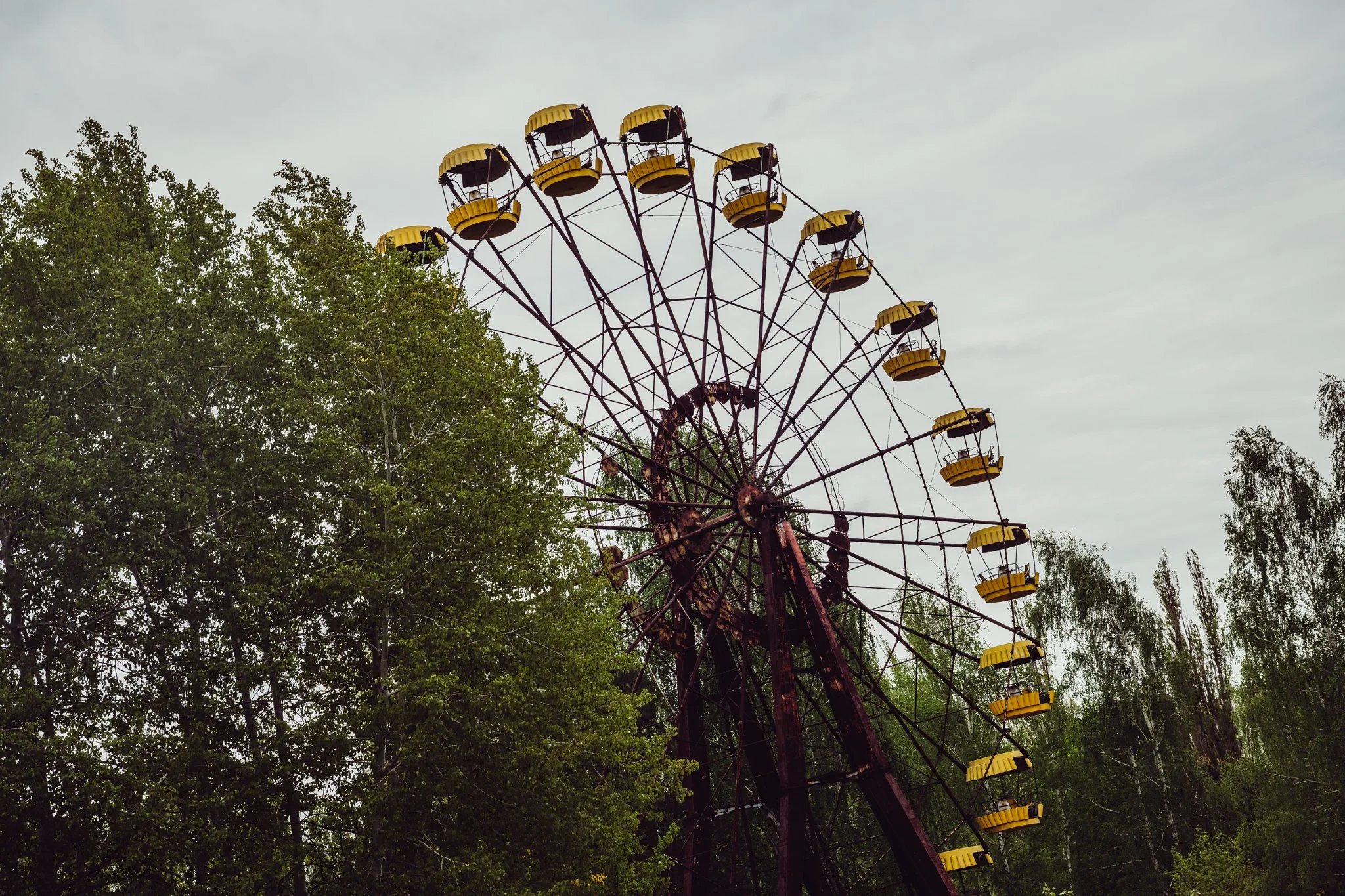
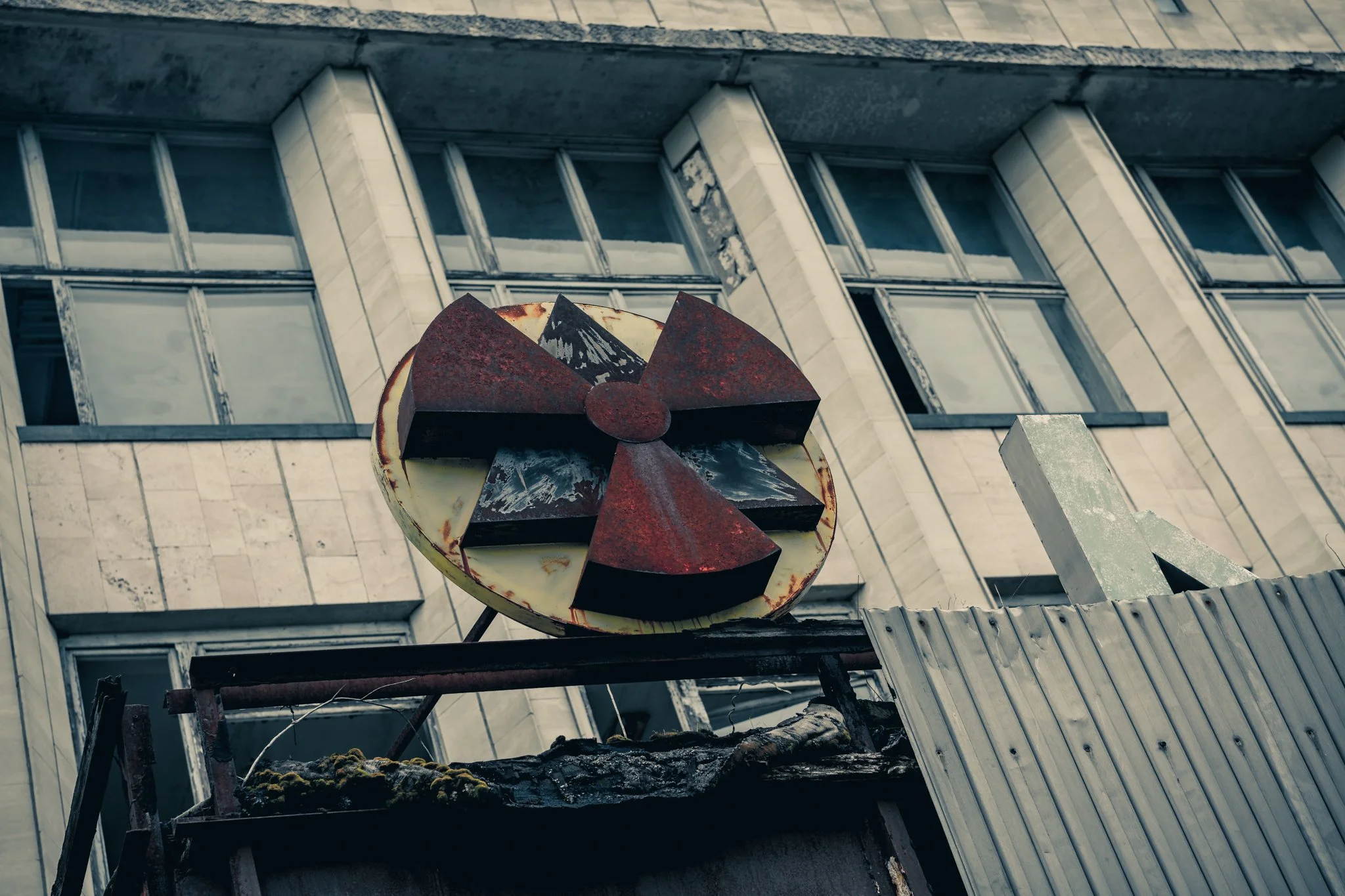
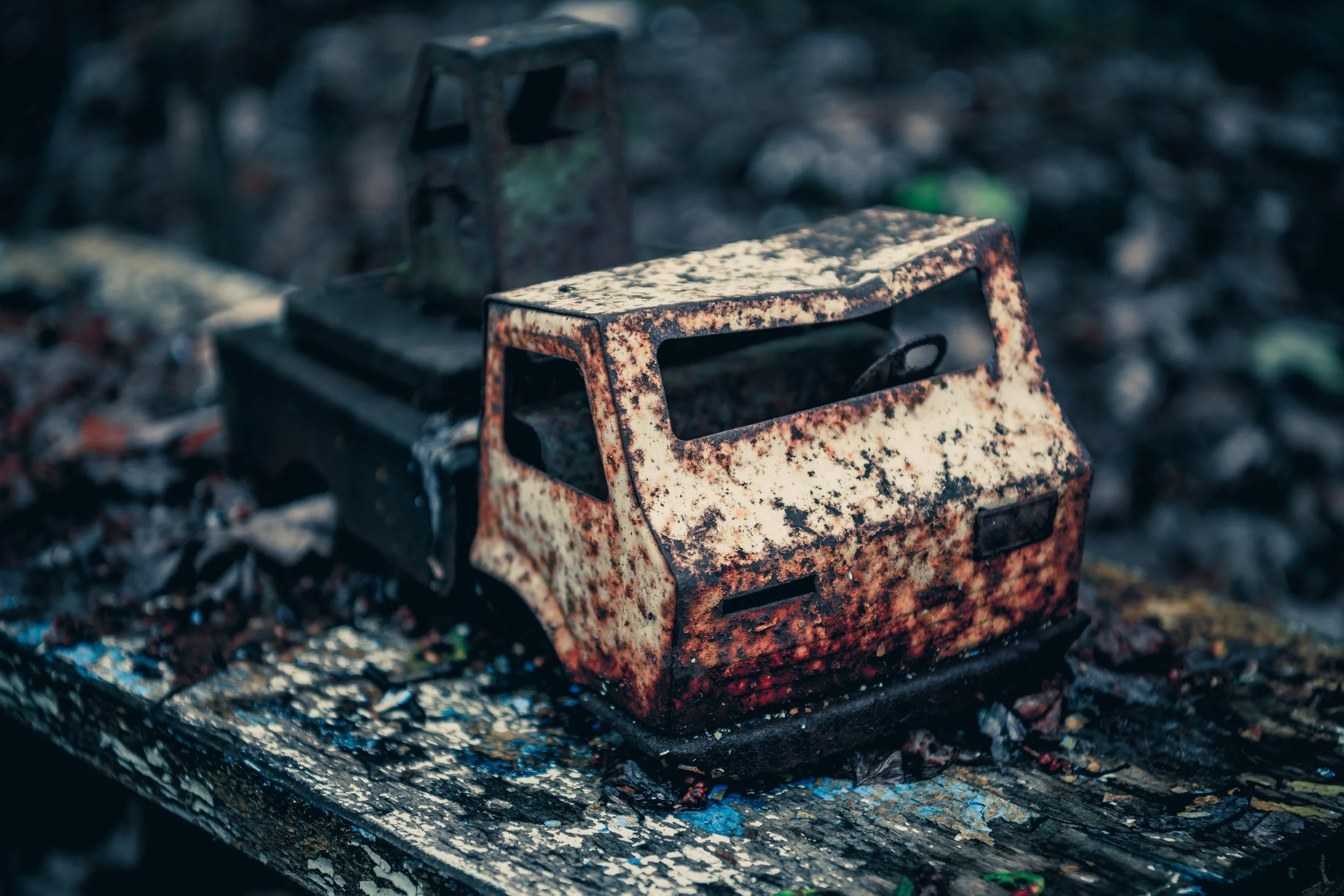
Today, Pripyat is more than a ghost town. It is a portal to a past that exists in a kind of twilight zone. I walked past crumbling and derelict schools, hospitals, shopping centres, and even a children’s amusement park, which had been open for a single day before the evacuation. It was due to officially open on 1 May, 1986. The once-brand-new rides were now in serious decay. Decay was all around. Decay and silence.

Optional Further Reading
Beyond the Photographs
For those interested in the history beyond these images, this account takes a closer look at the Chernobyl disaster, its role in the collapse of the Soviet Union, and the remarkable resilience of nature in the exclusion zone.
-
Reflecting on Chernobyl, the Belarusian journalist Svetlana Alexievich, said, “Chernobyl is a metaphor, a symbol. And it’s changed our everyday life, and our thinking.”
Various articles, documentaries and the 2019 HBO Chernobyl miniseries have detailed the extraordinary efforts that went into containing the disaster and averting an even greater catastrophe, particularly for Europe. Chernobyl has become both a warning and a lesson in our relationship with nuclear energy. Controversies remain, including the official death toll of 31 people. The true human cost may be far higher, as this BBC article highlights.
Chernobyl also had another significant impact, the one Svetlana Alexievich alluded to. Many see it as the turning point leading to the breakup of the Soviet Union. Mikhail Gorbachev, the eighth and final leader of the Soviet Union, said the explosion was “perhaps the real cause of the collapse of the Soviet Union.” It was a “turning point” that “opened the possibility of much greater freedom of expression, to the point that the system as we knew it could no longer continue.”
That system was in full effect in the days and weeks following the 1986 disaster. The Soviet authorities worked hard to conceal the full extent of the disaster to the outside world. They even hid much of the truth from themselves. Not much has changed in the decades since. There is no small irony that following the Russian invasion of Ukraine in 2022, the Russians made a beeline straight for Chernobyl, like returning to the scene of a crime.
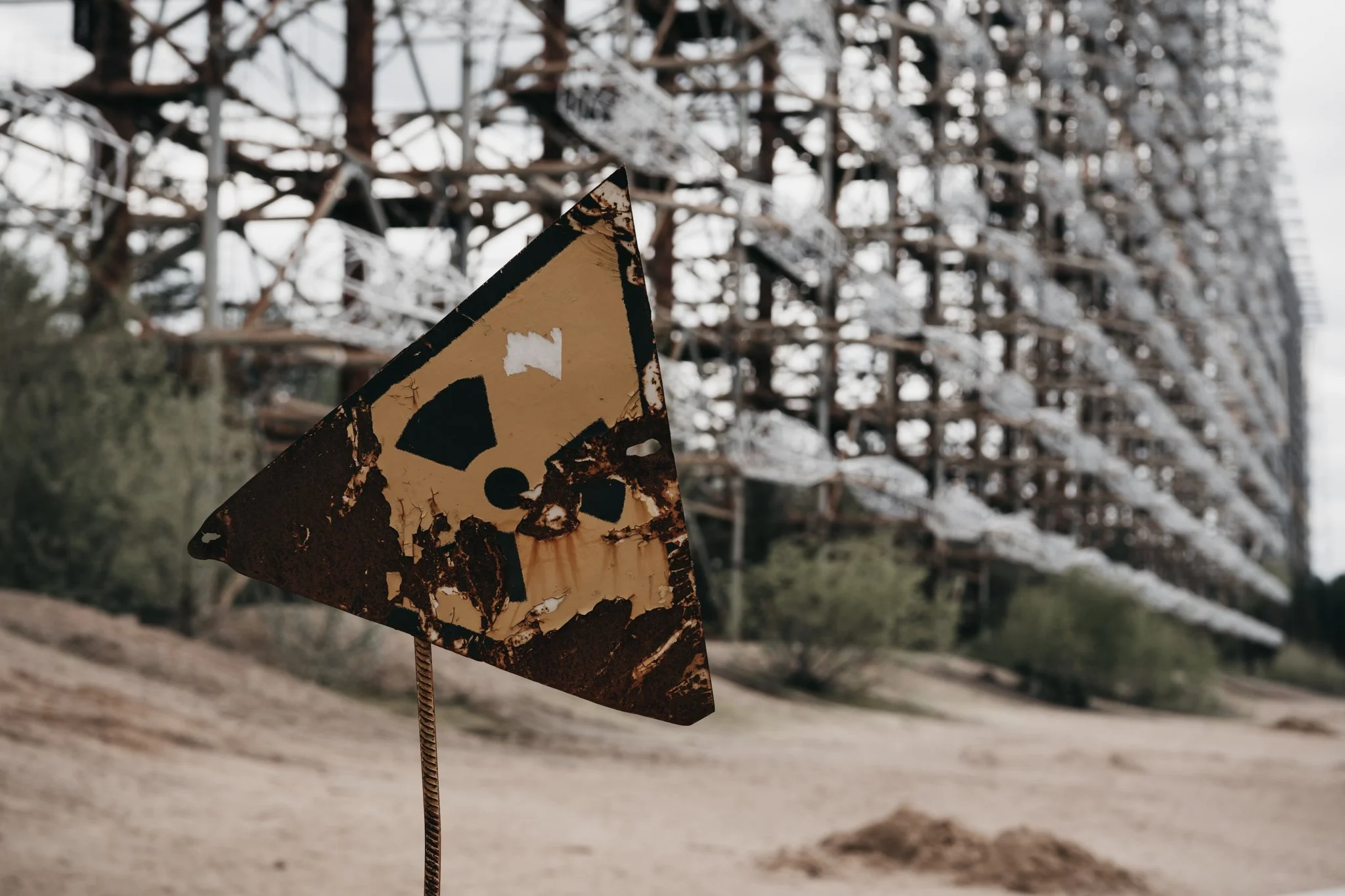
Less than twelve months earlier, I had stood in the same place, handed a Geiger counter to monitor radioactivity levels throughout the day. If I hadn’t done some research before the trip I may have been more worried about walking around parts of an area where radioactive contamination will persist for thousands of years. But there was a huge decontamination effort after the accident involving more than half a million people. Still, I was told to be careful and not wander off, as there are still parts of the zone highly radioactive. That was advice I wasn’t going to ignore.
Much of my experience was silent, except for the ghostly crackling of the Geiger counter when passing through a radioactive patch. I was shown pictures of what Pripyat used to look like. I saw images of cafes by the waterfront bustling with people in summer; the town centre with children playing; and even a newly-wed couple posing in front of the Pripyat town sign, blissfully unaware of the events to come. Like all of us of course.
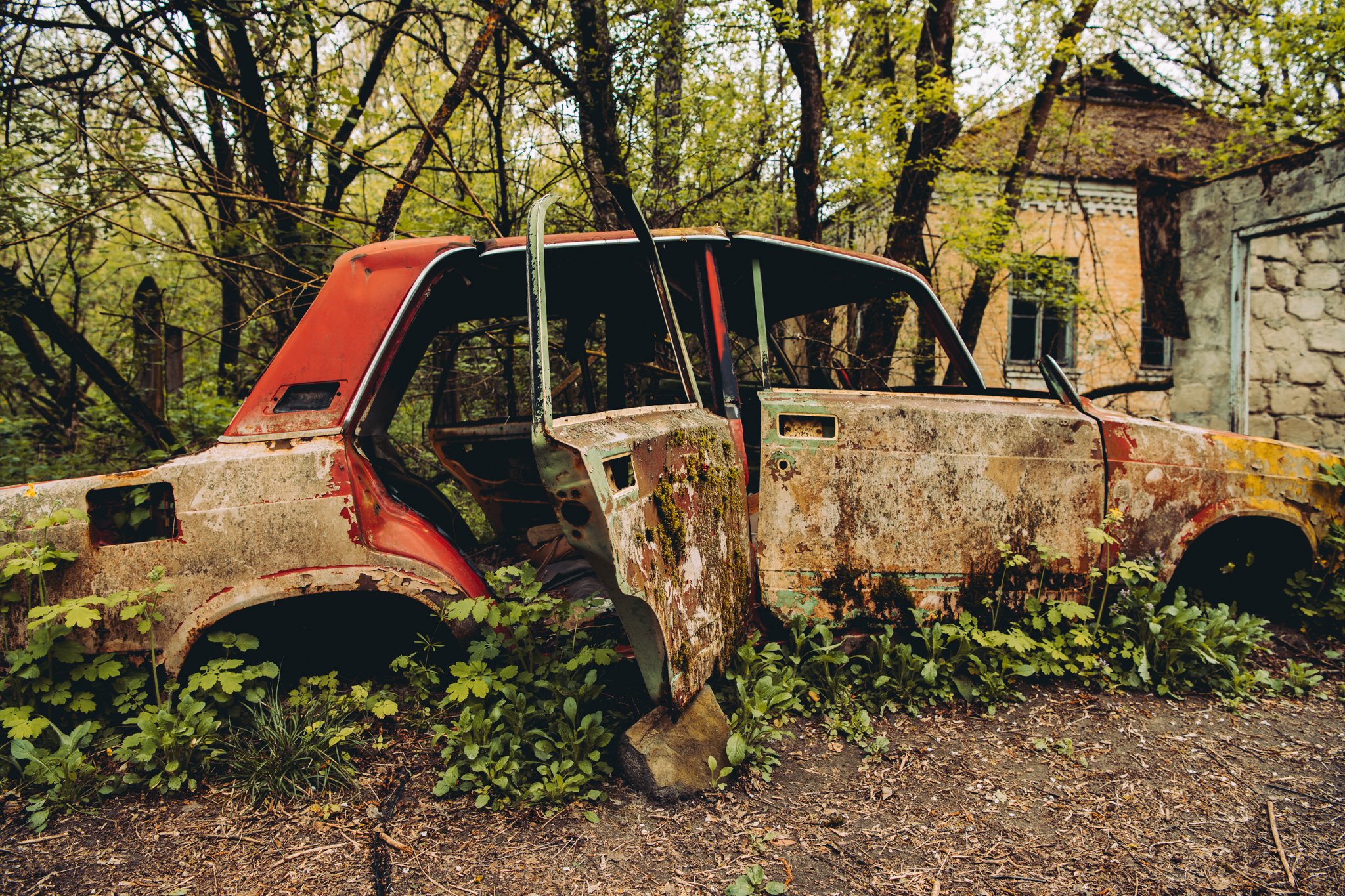
I wrote earlier that I was struck by the decay of the zone. Buildings were crumbling, materials were rusting. But I was also taken aback by how fast nature had reclaimed the land. At times walking around Pripyat was like walking in a deep forest. Paradoxically, life was everywhere. Trees, vegetation, insects, and animals.
Radiation killed or severely damaged much of the vegetation in the most heavily contaminated areas immediately after the accident. Yet within three years, even these areas had seen substantial regrowth. This is because plants have an extraordinary capacity to survive damage that would be devastating to animals. Plant cells are organised differently. They have mechanisms for repairing damaged DNA and replacing damaged tissues. On top of that, some plants in the exclusion zone also appear to have developed greater resistance to radiation.
It turns out this isn’t entirely surprising. Levels of natural radiation on the earth’s surface were much higher in the distant past, so the ancestors of modern plants evolved in an environment where radiation was a greater part of planetary life. Some of the protective mechanisms plants have today may be traced back to those deep evolutionary roots, although precisely how much these ancient adaptations contribute to their resilience in Chernobyl remains uncertain.
Despite the continuing effects of radiation, many plant and animal species have returned in considerable numbers to Chernobyl, helped by the absence of human activity. These include wolves, boars, and bears. A further reminder, if one were needed, of the life-affirming power of Nature. And its resilience.
Your Reflections
If these photographs or the history behind them resonated with you, I'd welcome your thoughts.
Feel free to share this visual essay with others:
https://www.deeplifejourney.com/visual-essays/chernobyl-the-exclusion-zone