

Deep Life Photography | Visual EssaysThe Cu Chi Tunnels of Vietnam
In Context
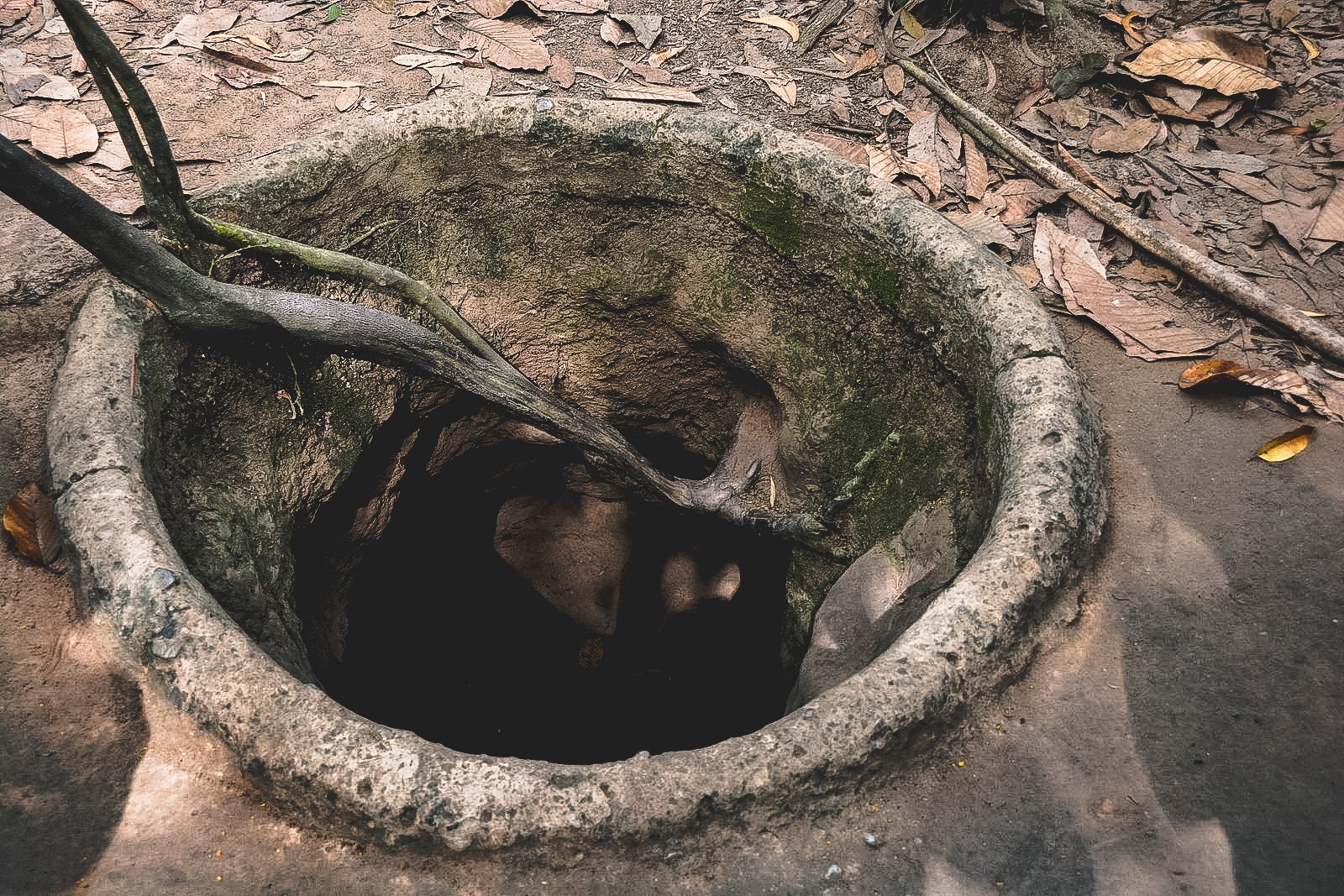
In late 2013, I found myself crawling through the dim and claustrophobic passages of Vietnam’s Cu Chi Tunnels, an intricate subterranean network extending over 200 kilometres. First developed during the struggle against French colonial rule in the 1940s, the tunnels were subsequently expanded to provide everything from shelter, food, and weapons storage to the effective waging of war.
My five-minute experience underground was very different from that of the average Viet Cong guerrilla, some of whom spent months below ground without ever seeing daylight during the Vietnam War. The tunnels proved so effective against U.S. forces that the Americans eventually had to train their own soldiers to navigate the narrow passages, searching for booby traps and enemy fighters. The men needed to be small and wiry, venturing into the stench and blackness with little more than a torch and a pistol. They became known as ‘tunnel rats’. It was not an enviable job.
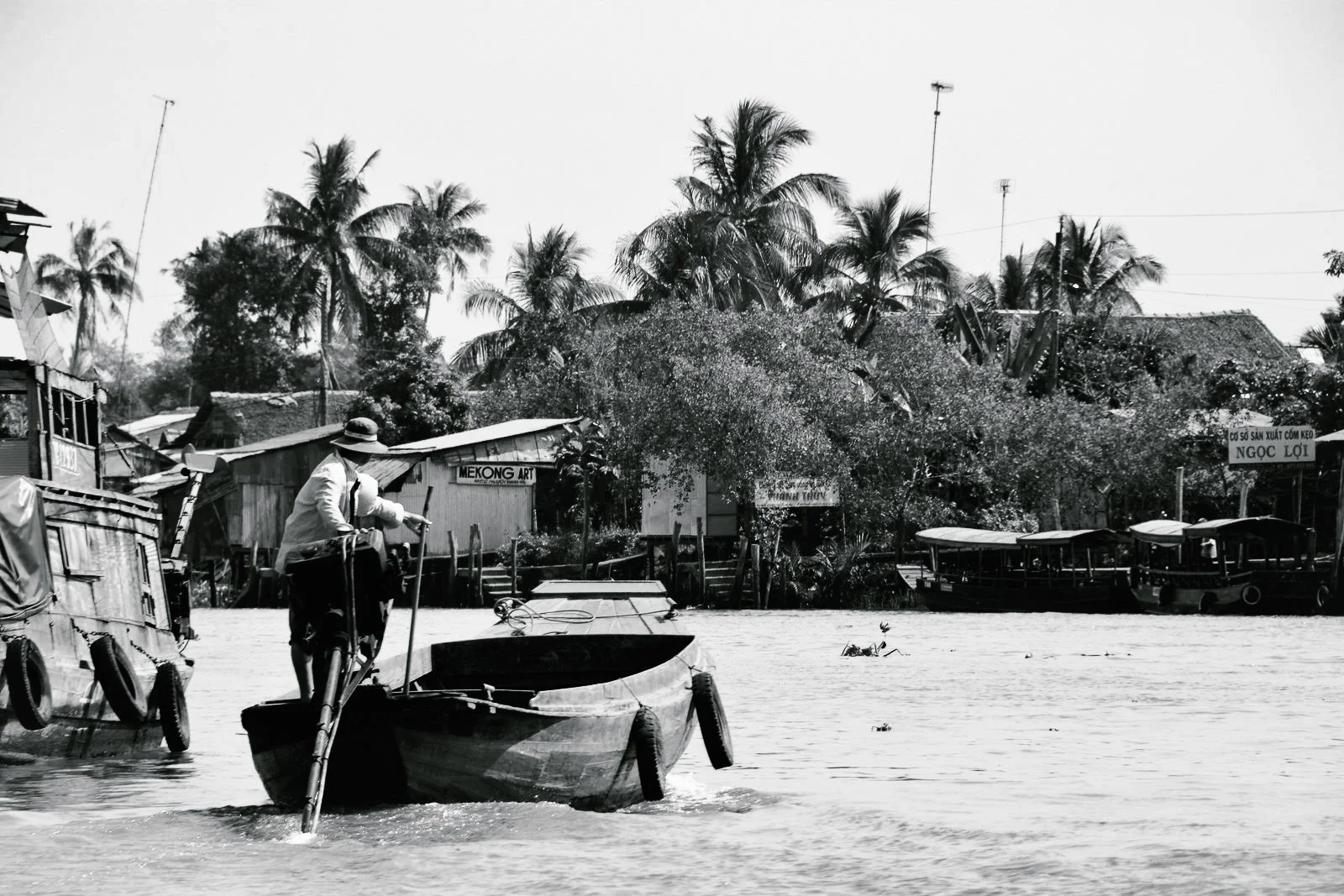
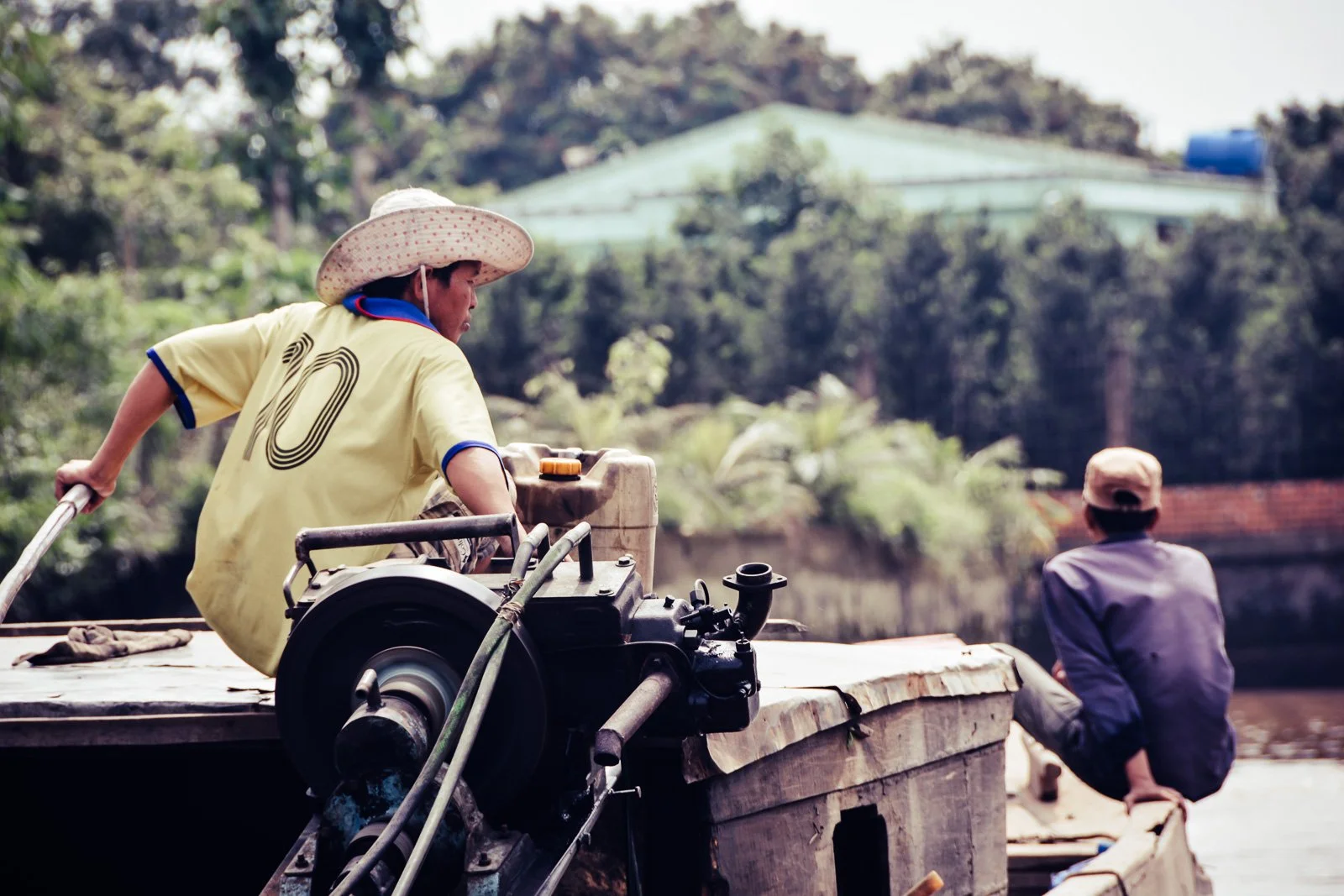
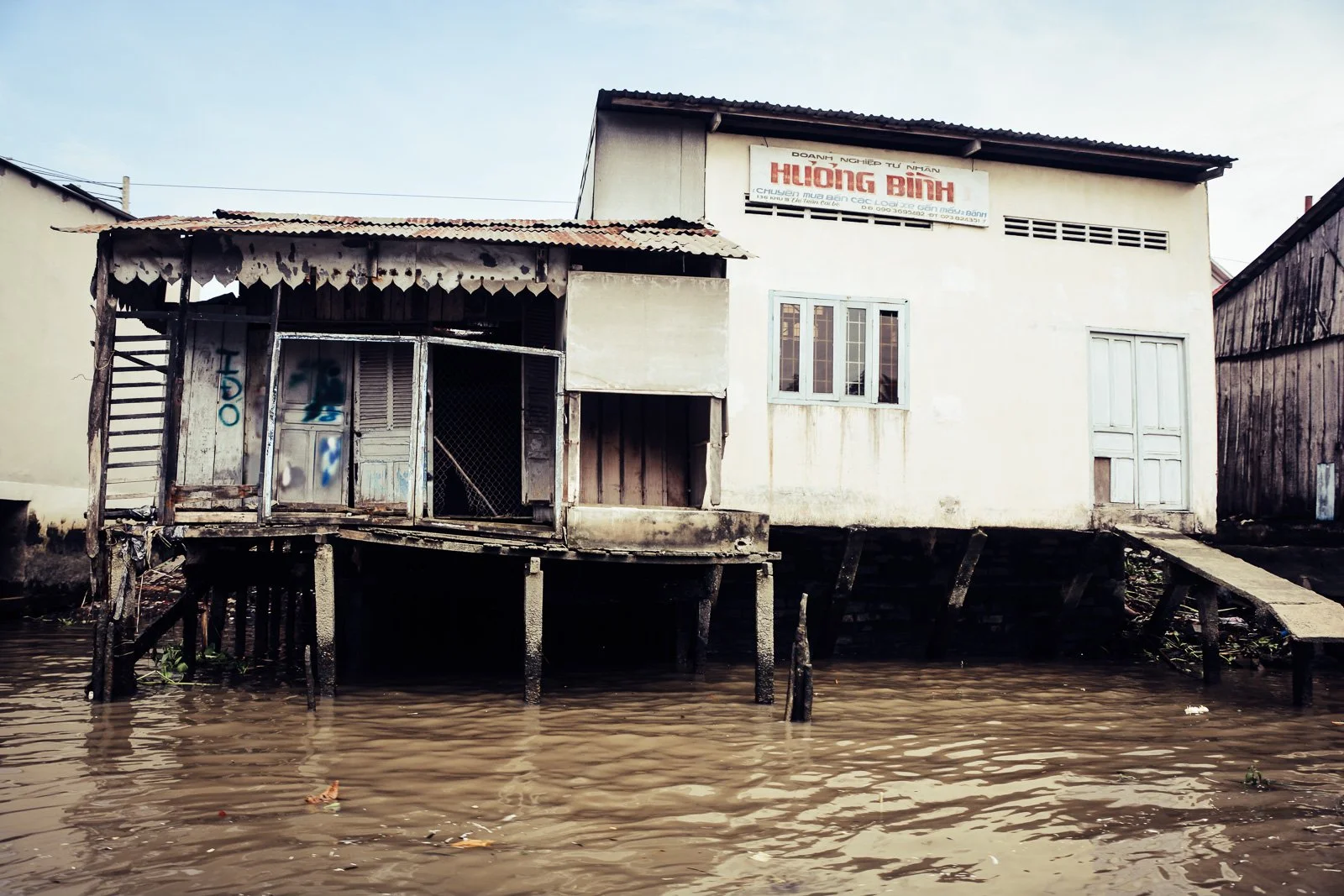
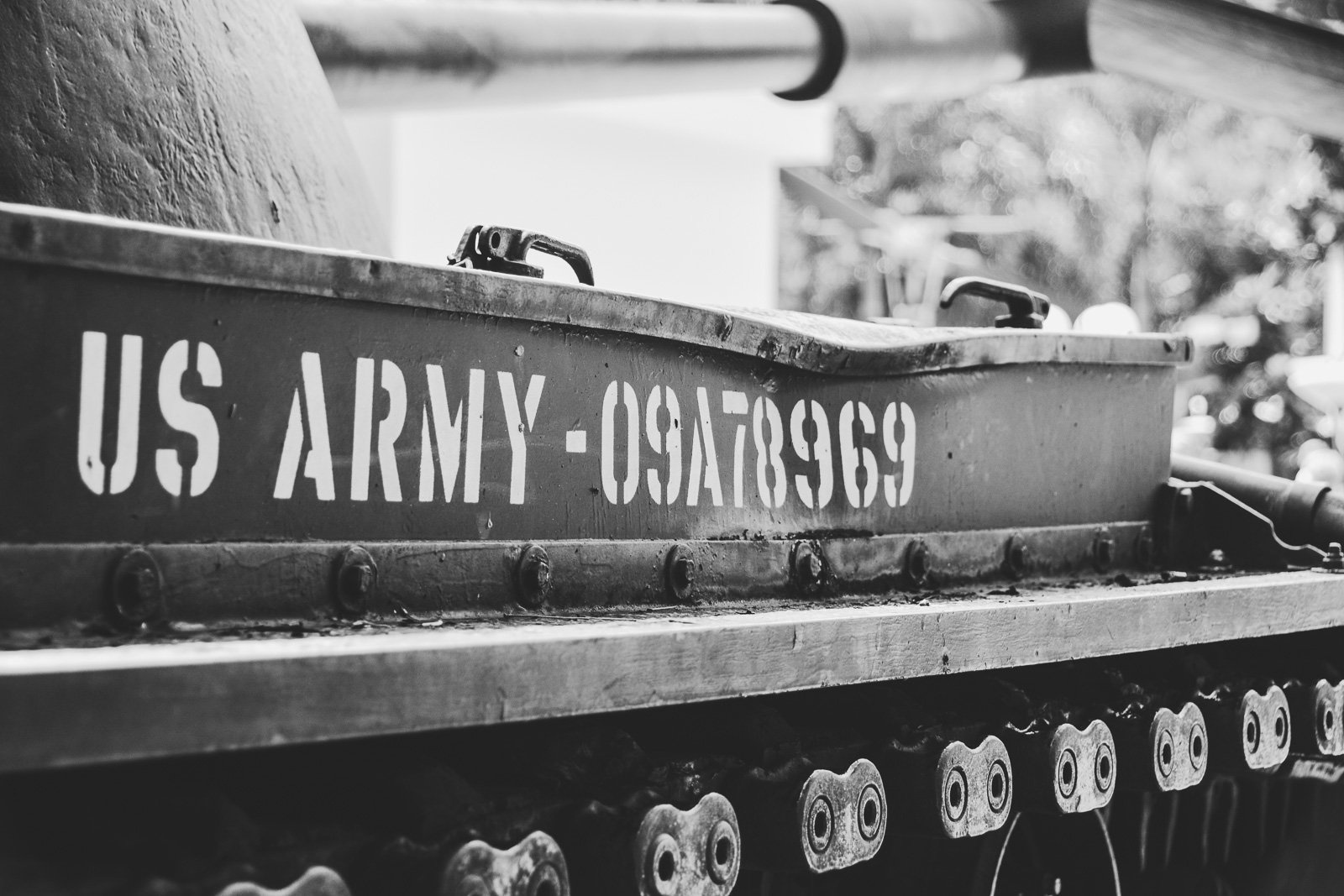
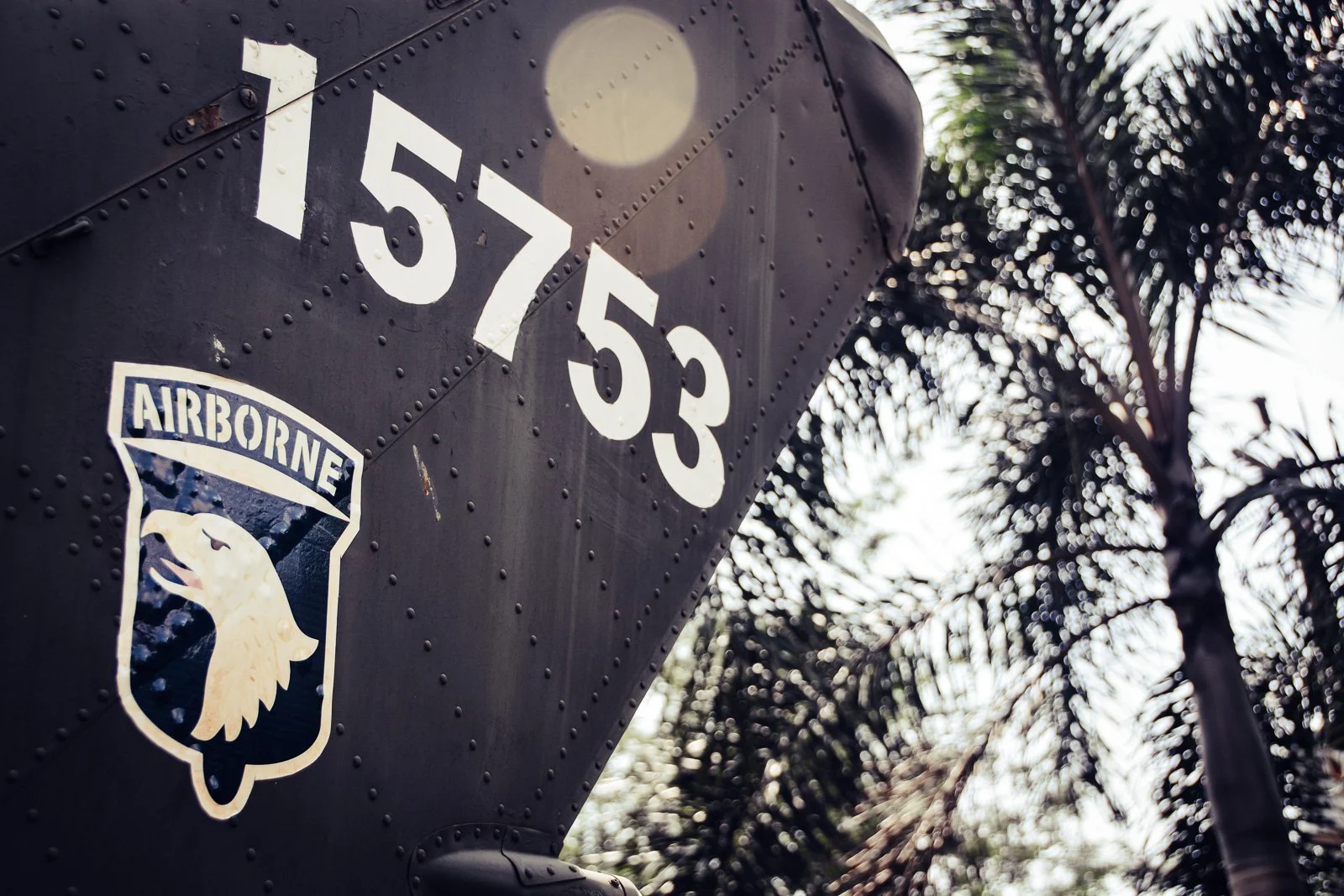
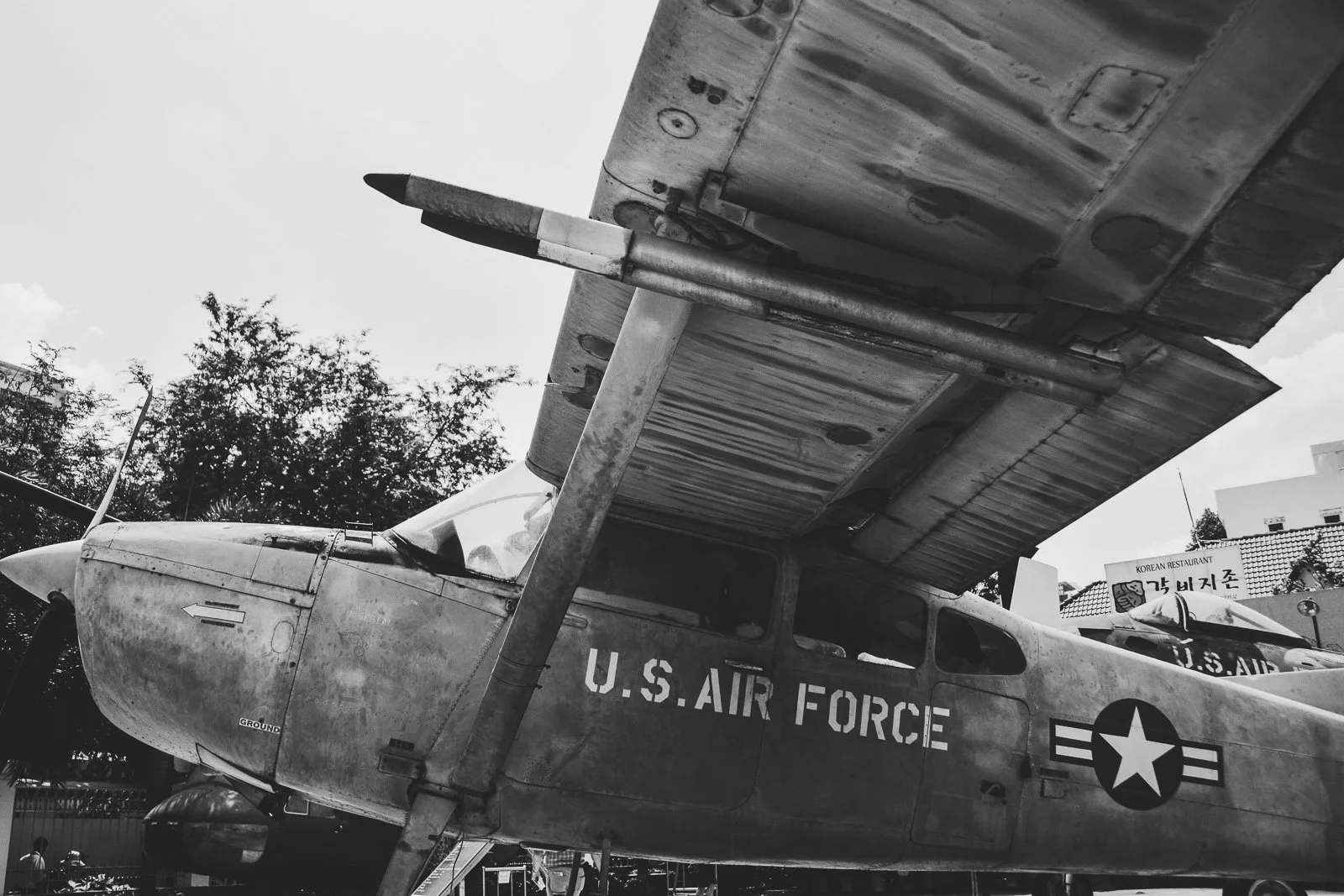
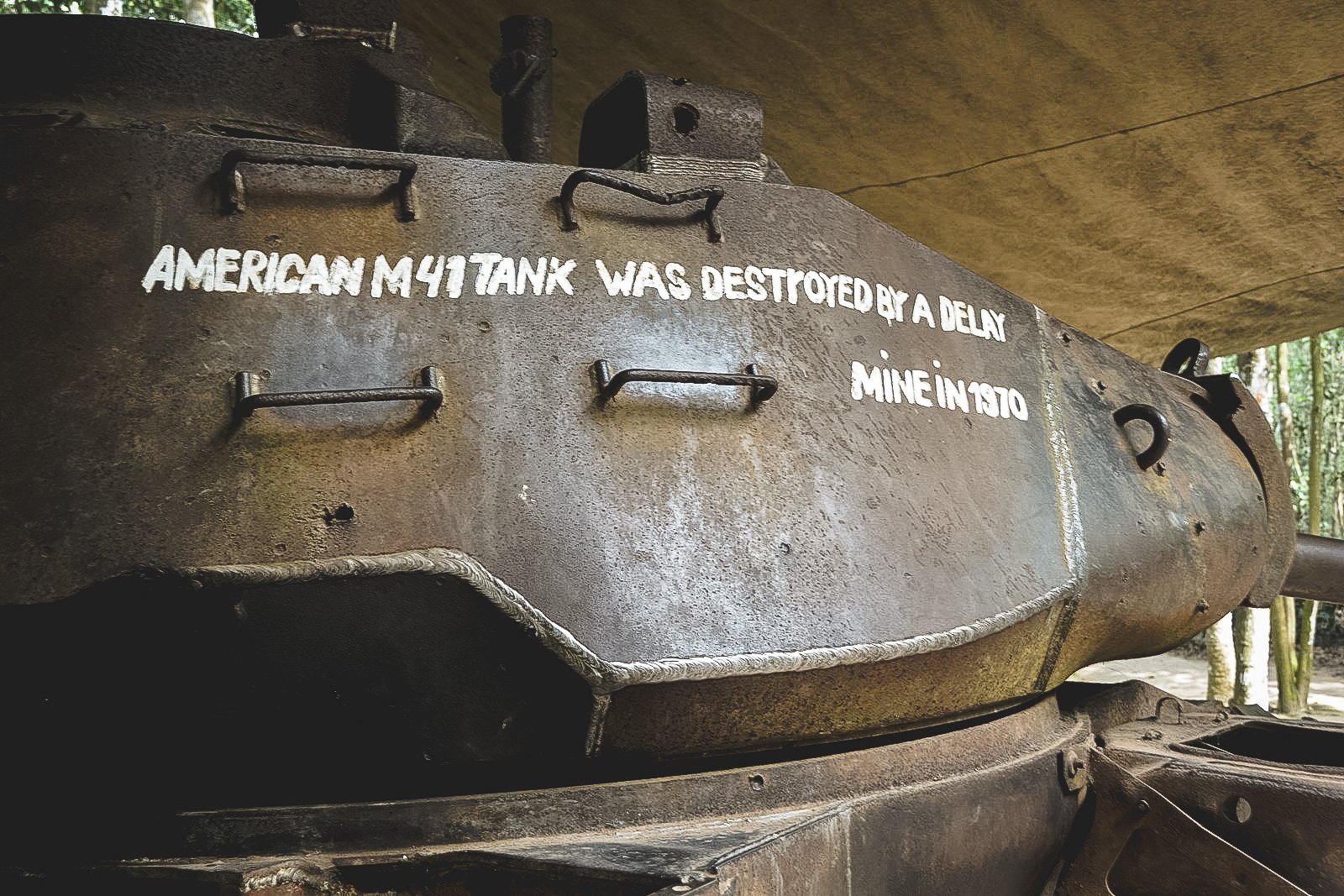
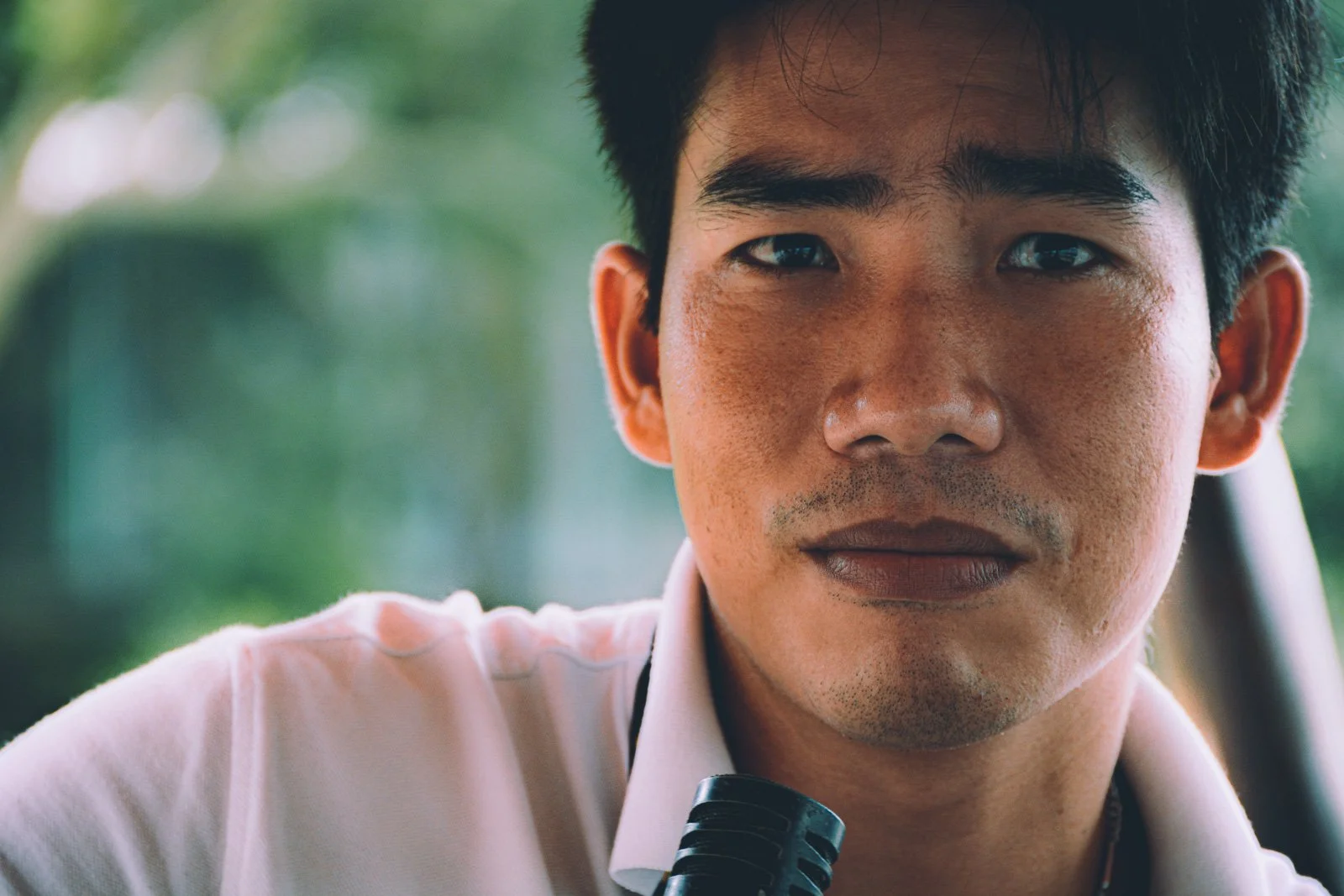
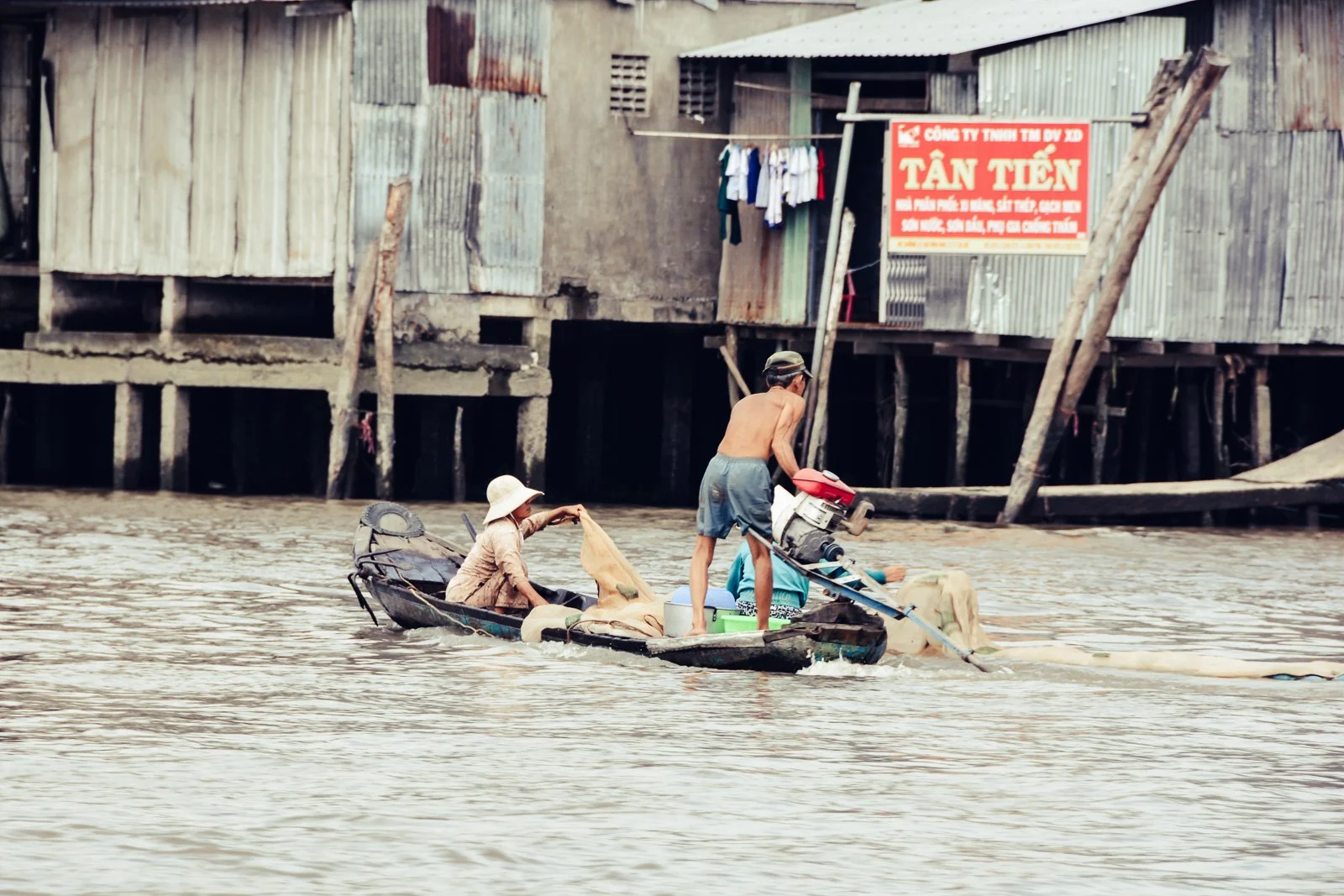
My travels through southern Vietnam also took me along the waterways of the Mekong Delta, a vast patchwork of rivers, islands, and swamps. There, people went about their lives and their business. Cooking, fishing, painting. In the photographs here, I have tried to capture something of the past and the present, from captured American military equipment to everyday life along the river.
The tunnels remain today as a historic reminder of a devastating war. But life along the waterways continues.



Optional Further Reading
Beyond the Photographs
For those interested in the history behind these images, the following account looks closer at the Cu Chi tunnels, the men who fought in the blackness, and the wider consequences of the Vietnam War.
-
The Cu Chi tunnels were originally dug in the late 1940s as part of the Vietnamese fight against French colonial rule. The French would go on to suffer a decisive defeat at Dien Bien Phu in 1954, withdrawing from Indochina. Repaired and expanded for Vietnam’s war with the United States in the 1960s, the tunnels now stretched further, allowing the Viet Cong to move undetected underneath enemy-held territory. The Americans landed in Vietnam with their mass of soldiers and superior firepower, expecting pitched battles that rarely materialised on their terms. Instead, it became guerrilla warfare.
In The Tunnels of Cu Chi, Tom Mangold and John Penycate, two British journalists, tell the stories of U.S. soldiers who chose to venture into these tunnels of death. They were the ‘tunnel rats’, actually an affectionate term used by the soldiers themselves. It is difficult to comprehend what each of these men faced when they prepared themselves to enter a tunnel. The soldiers used the term ‘black echo’ to describe the experience of being in one. They spent hours shuffling their way through the cramped, foul-smelling passages with death or worse lurking around each bend. One wrong turn and it was a fall into a booby trap pit for a long and excruciating death. Or the continual threat and terror of grenades rolling towards them. Only a few of these soldiers talked about their tunnel experiences after the war.
“There were times when I could hear the breathing, real quiet; you could hear a person breathe, and I’d know he was in there, and I didn’t go any farther. I just said to myself: In this dark corner of a tunnel is where the animal belongs, a rodent belongs. I’m becoming like a rodent, but still I don’t belong.” —From The Tunnels of Cu Chi.
Despite the extreme nature of hostility between the two sides, Mangold and Penycate document how U.S. tunnel rats captured alive by the Viet Cong received better treatment than other American prisoners. The Vietnamese soldiers respected their bravery, recognising these men voluntarily climbed into the unknown, which resonated more with their own perspective of laying their lives on the line to protect what was important to them. In these fellow tunnel dwellers, they saw kindred spirits.
The North Vietnamese and Viet Cong soldiers had their own tunnel horrors to deal with. They faced the very real prospect of being buried alive, being drowned through flooding, as well as succumbing to disease, acute claustrophobia, isolation, and of course, death. If that wasn’t enough, deadly insects and snakes were among the additional hazards of attacking and defending the tunnels for both sides.But the tunnels were critical to the war effort of the Viet Cong, providing hiding spots during American ground attacks, communication and supply routes, hospitals, food and weapon stores, living quarters, and even entertainment. Famous Vietnamese singers and showbusiness stars were often whisked in from the cities to perform for weary soldiers deep in the tunnels to maintain morale.
The history of the Vietnam War is often told through the American experience. For them it ends in 1973, following the signing of the Paris Peace Accords on January 27, 1973. The last American combat troops had left by March. But the agreement didn’t bring peace to the country. North and South Vietnamese troops remained fighting for another two years, eventually leading to the fall of Saigon in April 1975. But even that wasn’t the end of Vietnam’s military struggles. Its invasion of Cambodia and subsequent war with China meant another decade of conflict. A Vietnamese person born in 1945 could have reached their mid-forties having known nothing except war for almost their entire life.
Around 45,000 Vietnamese men and women died defending the Cu Chi tunnels over the course of the Vietnam War. In total, the war cost the lives of between 500,000 to 1,500,000 people. They came from many countries, although North Vietnam and South Vietnam made up the bulk of the dead. The rest came from the United States, South Korea, Australia, New Zealand, Thailand, China, and the Soviet Union. Many surrounding countries were also affected, including Laos where the US dropped more than two million tonnes of ordnance during 580,000 bombing missions as part of a secret war. This is equivalent to a planeload of bombs every eight minutes, twenty-four hours a day for nine years.
The war devastated the landscape of Vietnam with vast areas of green, agricultural land destroyed by the likes of Agent Orange—a chemical herbicide and defoliant—in an attempt to better locate the tunnels and other hiding places. While much of the country has turned green again, its land filled with valleys, rice fields, and rolling hills, the environmental consequences have not entirely disappeared.
New generations have been born, this time not into war like those who came before. For those who lived through the conflict, and the generations that followed, its history remains part of the country’s story.
Your Reflections
If these photographs or the history behind them resonated with you, I'd welcome your thoughts.
Feel free to share this visual essay with others:
www.deeplifejourney.com/visual-essays/cu-chi-tunnels-vietnam