
Deep Life Photography | Visual EssaysInside Cambodia’s Killing Fields
In Context
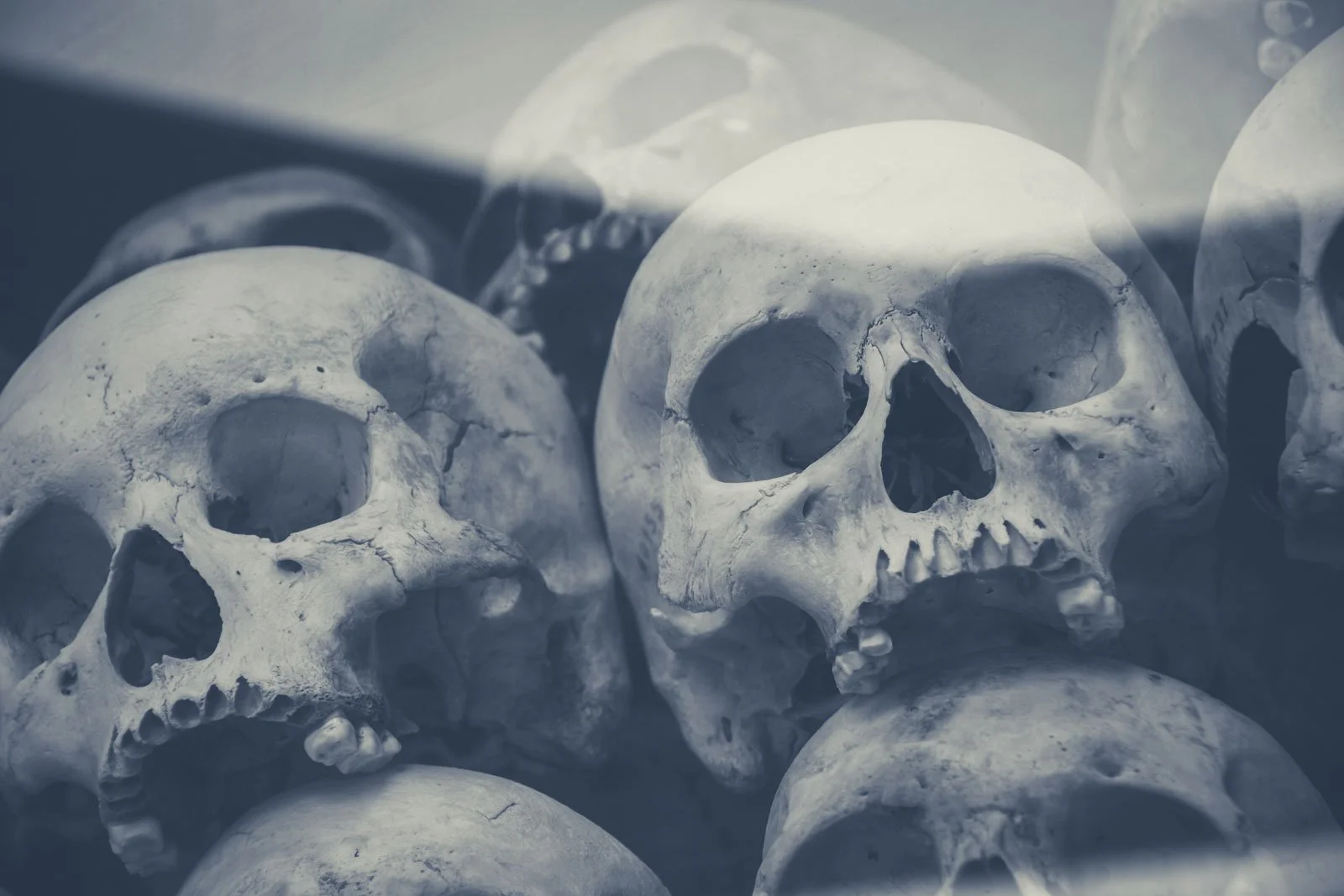
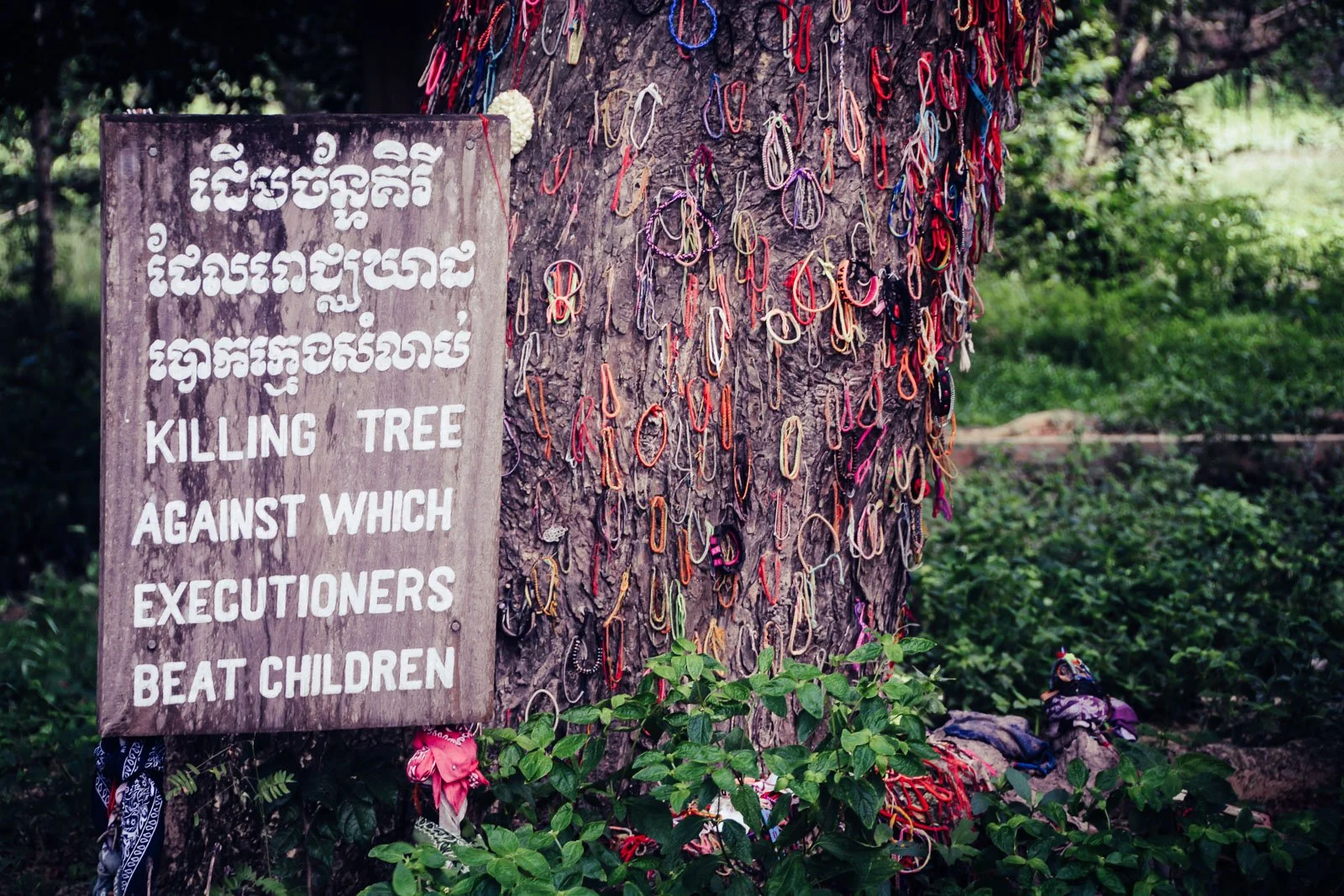
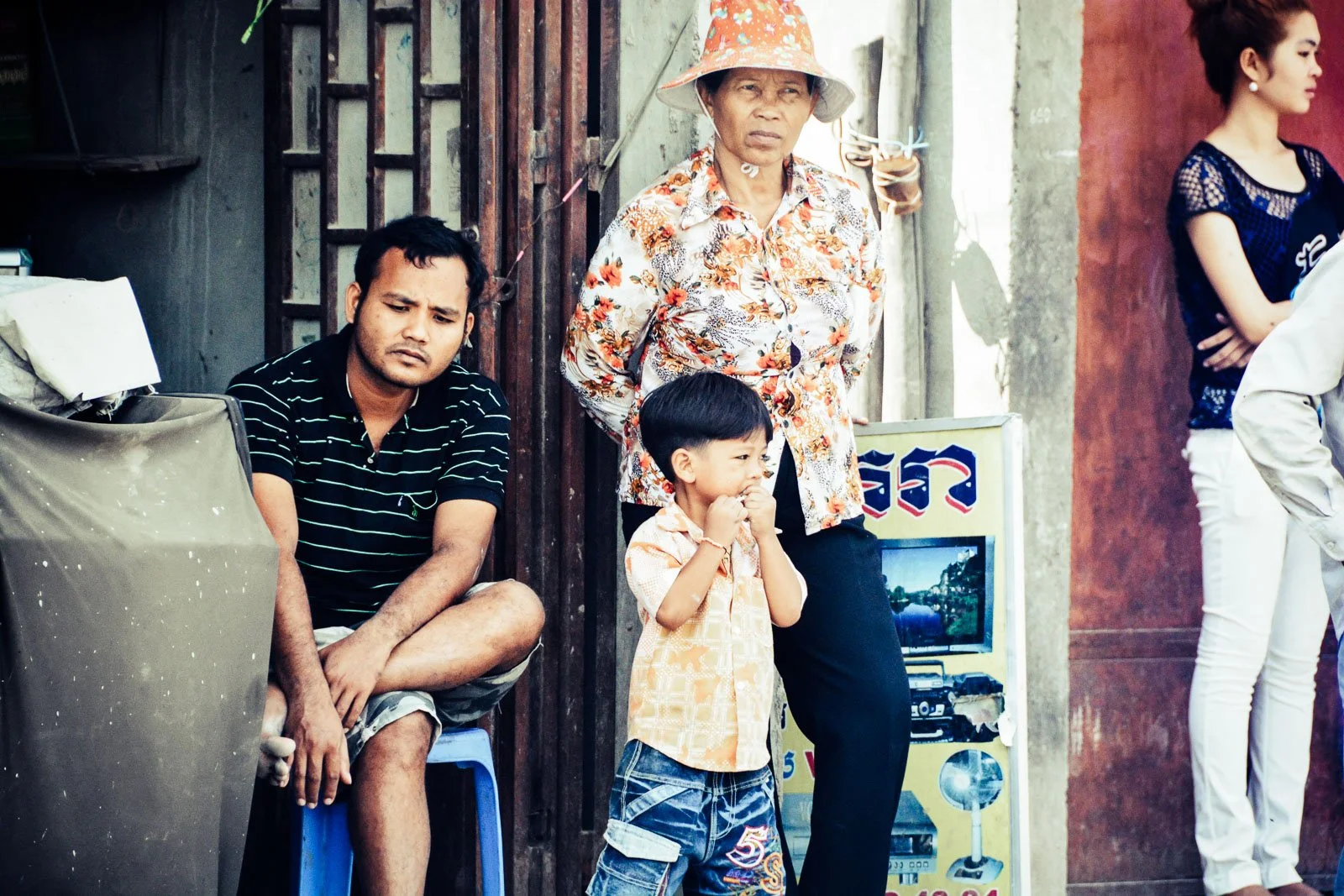
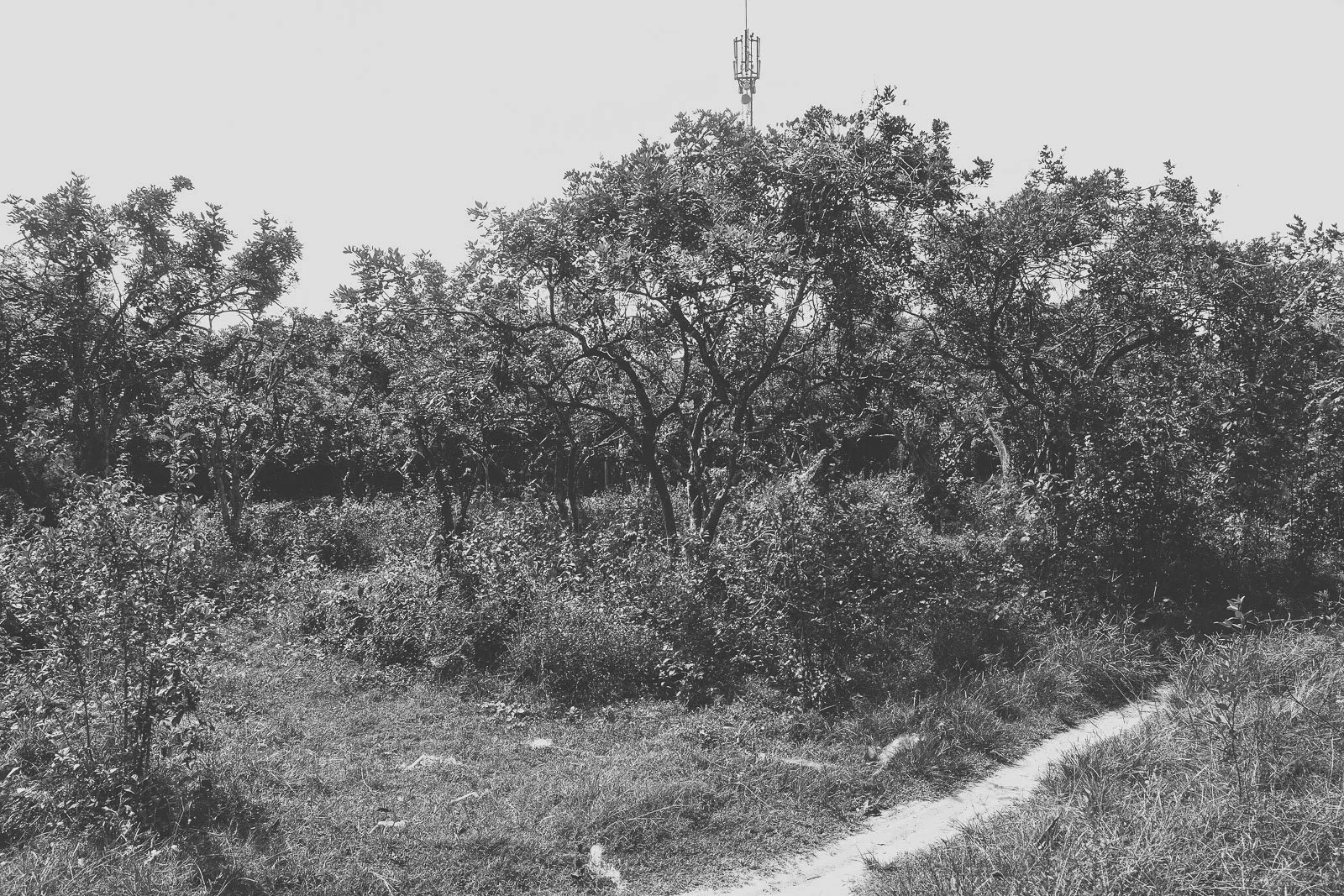
The site of Choeung Ek in southern Cambodia was once a fruit orchard. Today it is a mass graveyard to an estimated 17,000 men, women, children, and infants. They were executed on these idyllic fields by the Khmer Rouge between 1975 and 1978. In 2013, the day after my 38th birthday, I spent several hours at Choeung Ek, the most well-known of over 300 ‘killing fields’ that remain spread across Cambodia today.
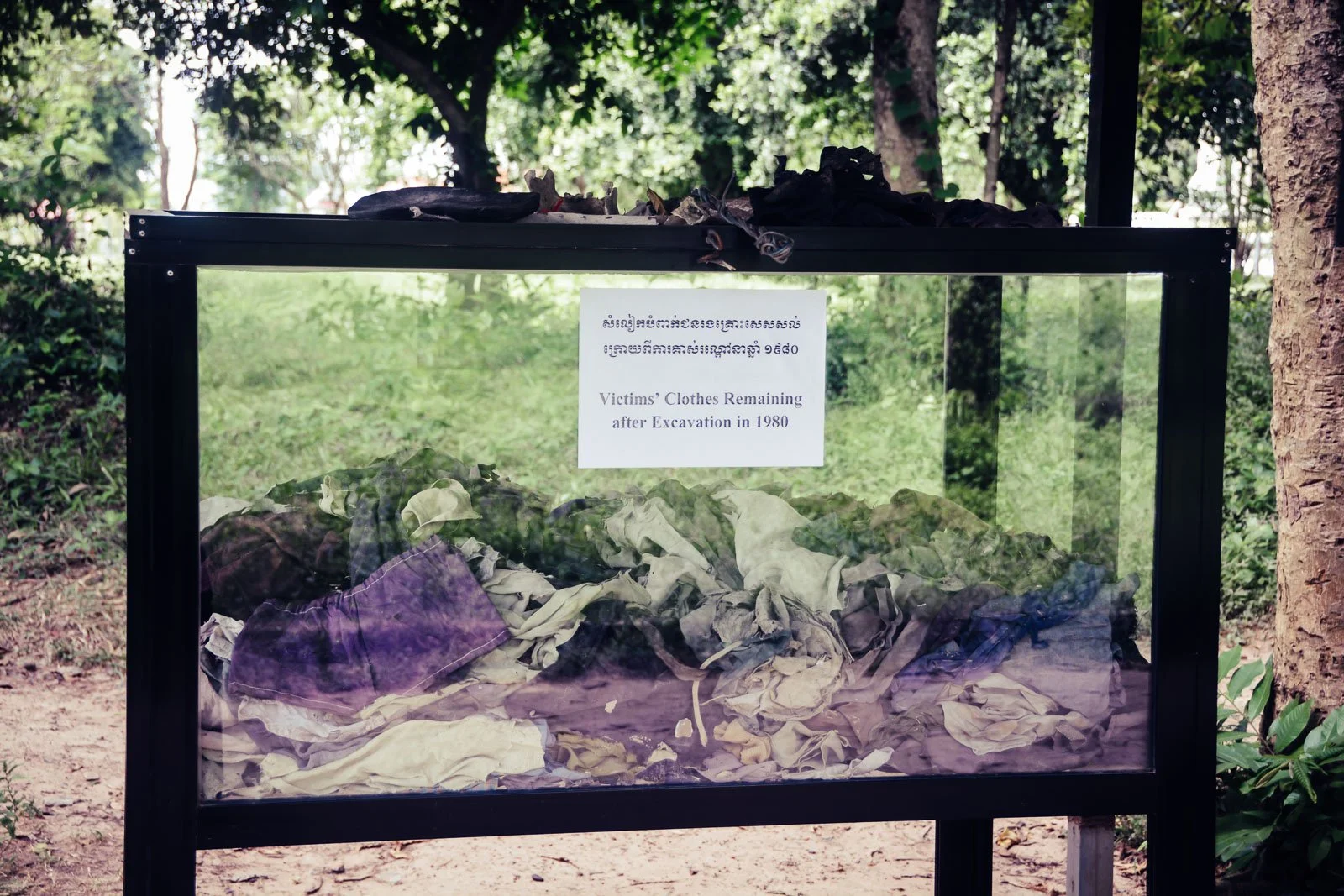
It was a quiet November morning. Warm, pleasant, a blue sky. As I discovered one atrocity after another amongst the trees, streams, and fields, it became harder and harder to reconcile the surroundings with what went on here four decades ago. 1980 saw the exhumation of the remains of 8,985 people from mass graves. Many of the dead were bound and blindfolded. Scattered around the site today are fragments of human bone and bits of clothing. More than 8,000 skulls await at the Memorial Stupa, visible behind clear glass panels. It’s not a place people spend a lot of time.
Many of those who arrived at Choeung Ek in 1975—the year I was born—were bludgeoned to death to avoid wasting precious bullets. Visitor signs today read, ‘dress modestly’, ‘speak quietly’ and ‘do not smoke’. There is an immediate call to be respectful. The atmosphere was heavy and people rarely spoke. It was not an easy place to take photographs.
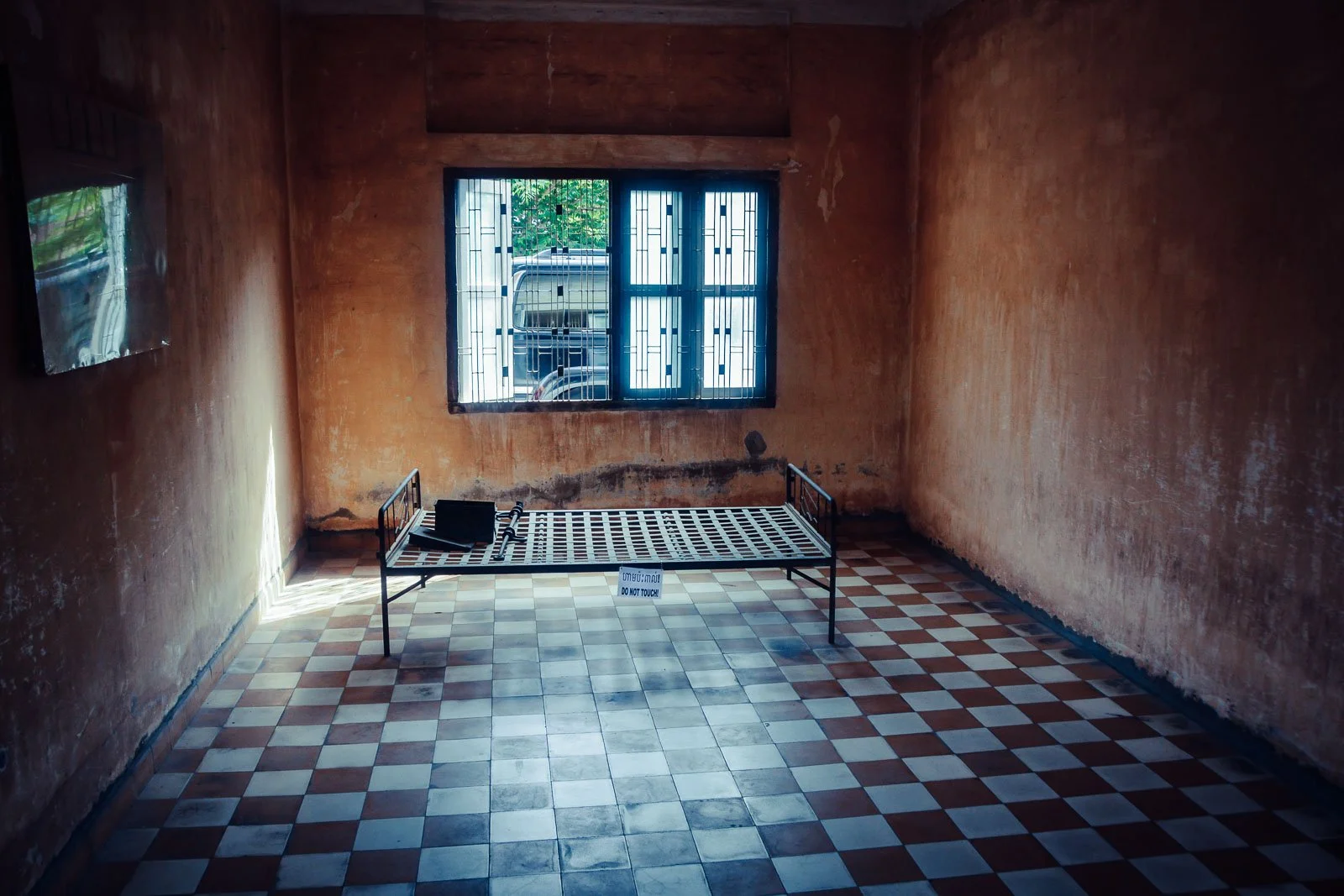
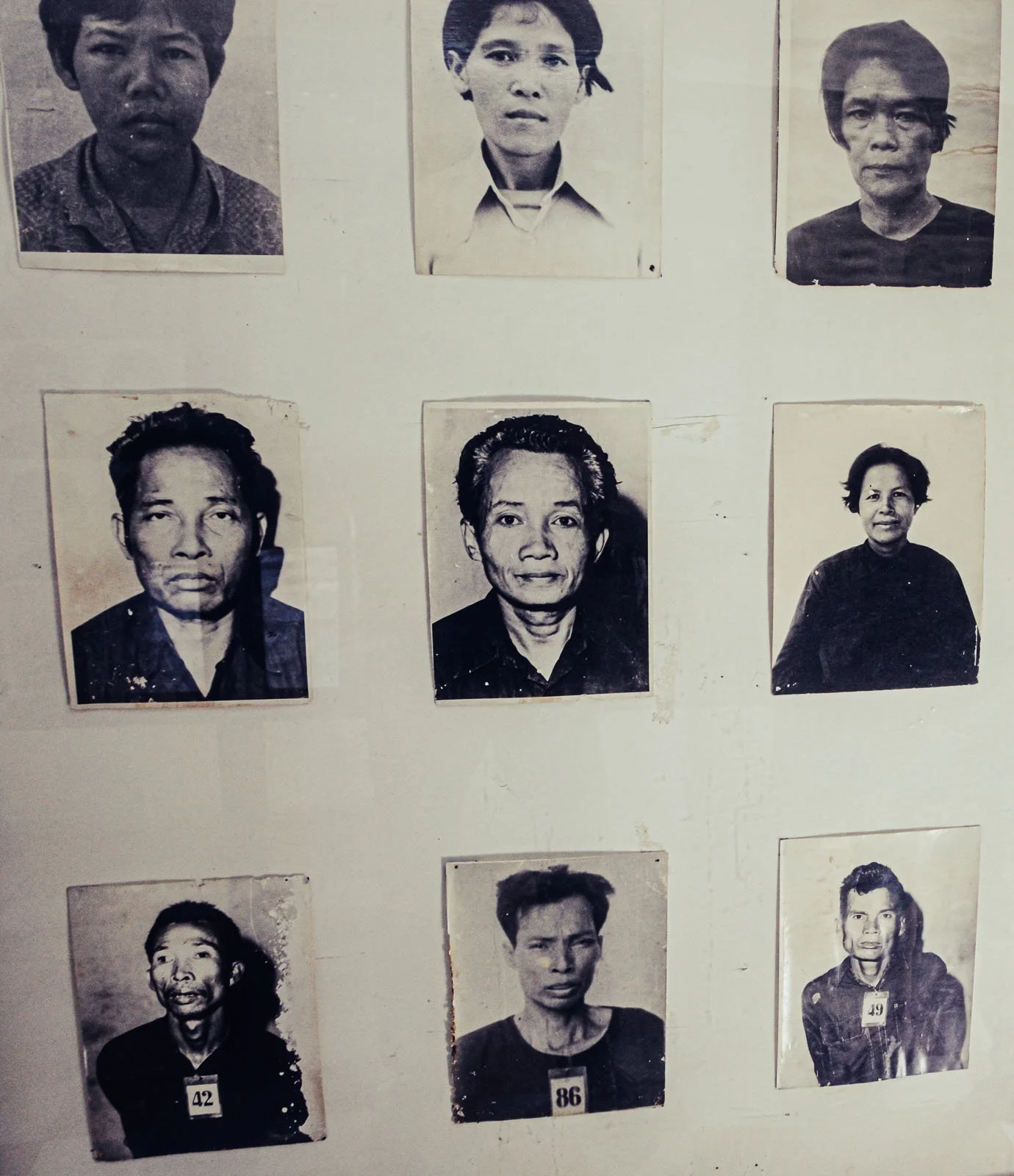
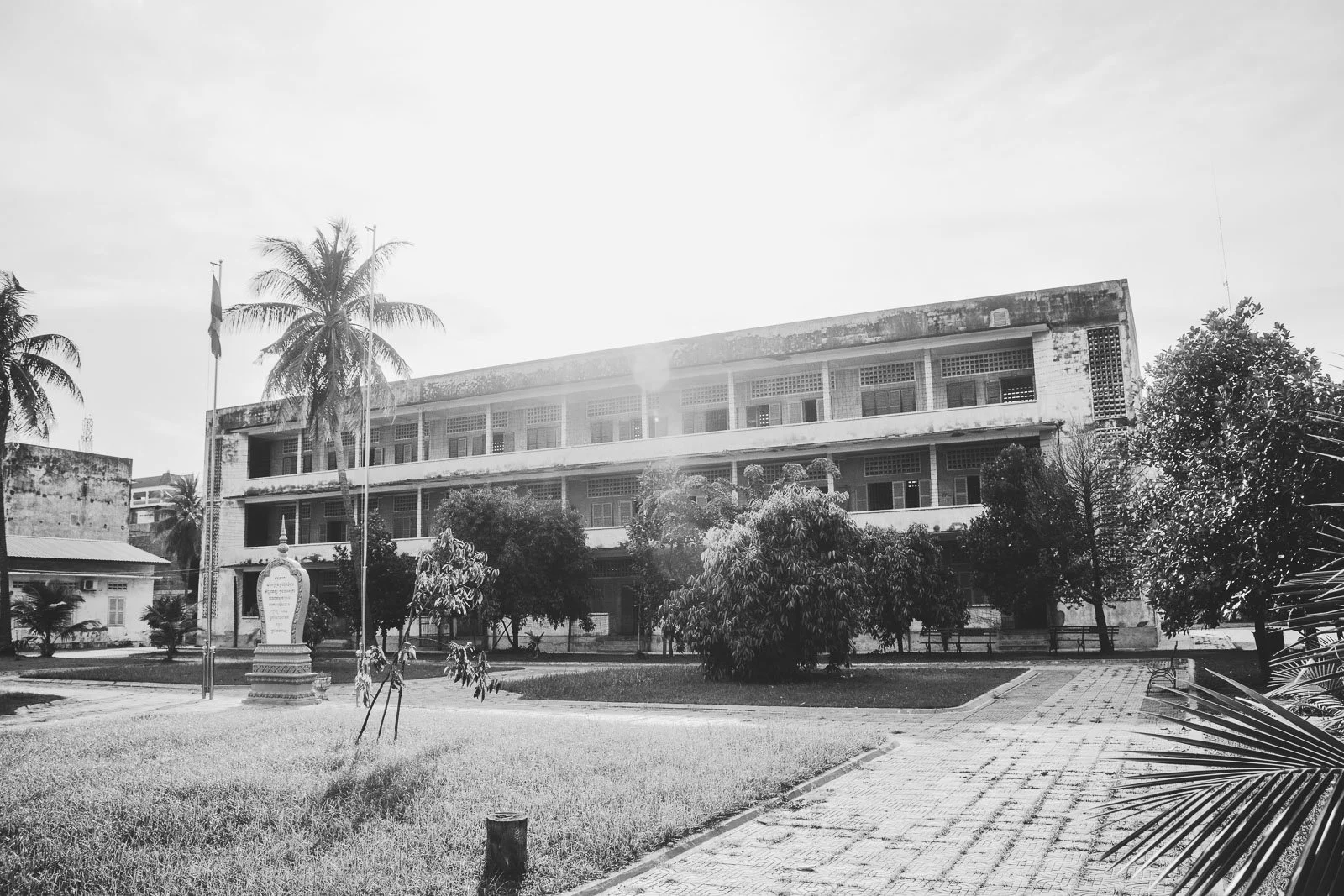
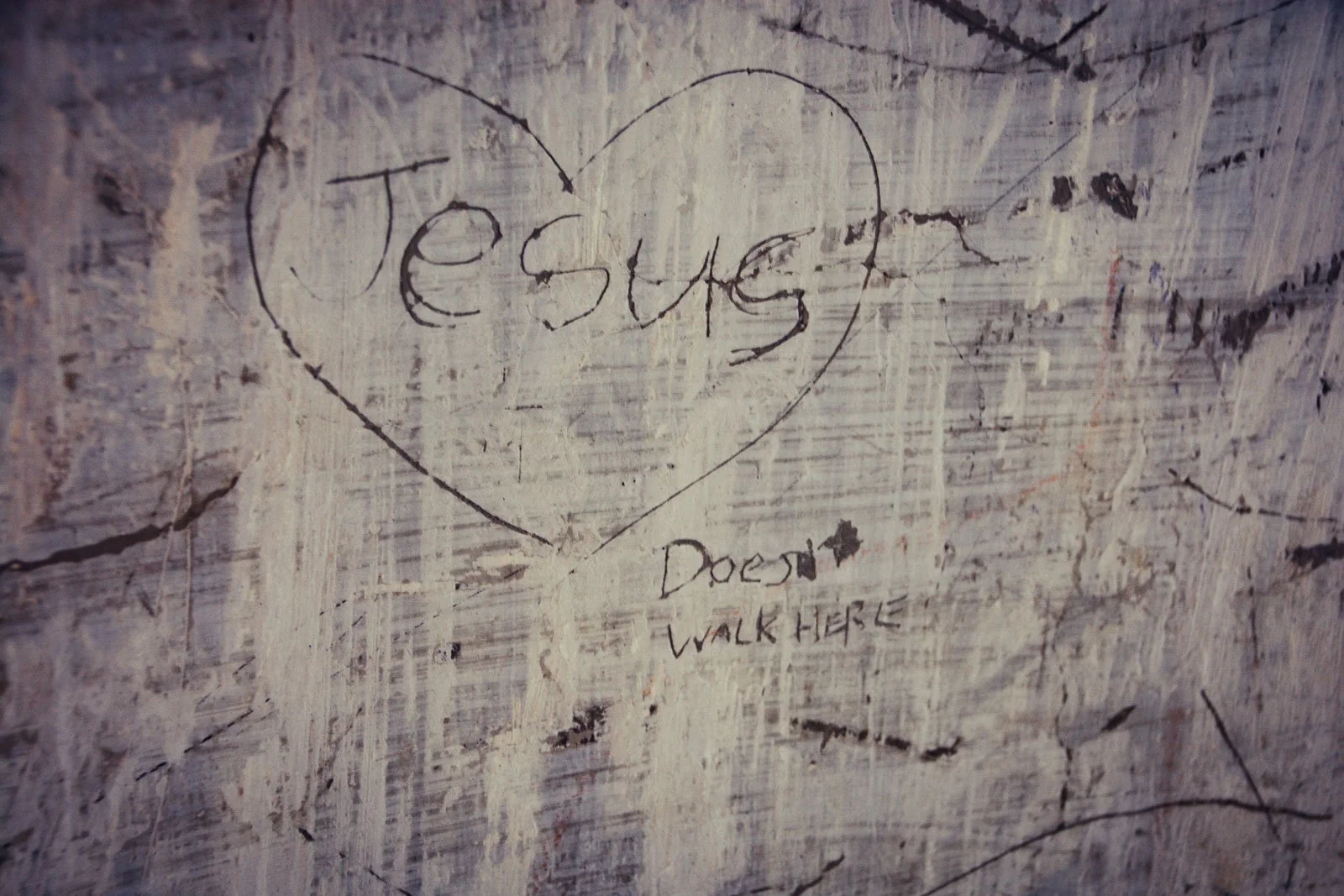
The next day I visited Tuol Sleng Museum in Phnom Penh. A former high school, it was taken over by Pol Pot’s security forces in 1975. It became the largest centre of detention and torture in the country, known as S-21. Like the Nazis, the Khmer Rouge were meticulous in keeping records of their barbarism. Each prisoner had their photo taken as they entered S-21. A haunting gallery of the victims lined the museum’s walls. There the photos remain today, reminders of a still-recent past and a country still in mourning.
Optional Further Reading
Beyond the Photographs
For those interested in learning more about the history behind these photographs, the following account explores the rise of the Khmer Rouge, the atrocities committed at Choeung Ek and S-21, and the lasting impact on Cambodia.
-
Some films stay in your mind long after watching them. The Killing Fields is one of them. The Oscar-winning 1984 film depicts the atrocities of Pol Pot’s Khmer Rouge regime in Cambodia. We see this through the eyes of two journalists, Cambodian Dith Pran and American Sydney Schanberg. Dith Pran said the film came nowhere near the true horrors his country experienced.
Pol Pot was a Cambodian communist revolutionary who became the leader of Cambodia (then known as Kampuchea) on 17 April, 1975. He led a dictatorship that enforced a radical form of agrarian socialism. He believed his once great country had grown weak and needed to return to its agricultural roots. This belief translated into a brutal policy that saw all those who lived in the cities forced to move to the countryside to work in collective farms and forced labour projects—a relocation that spelled death for many, including people like doctors, teachers, and office workers.
Pol Pot took his inspiration from Mao Zedong’s recent Cultural Revolution in communist China. He wanted the same revolution in Cambodia. The results were devastating. Those not immediately killed on arrival lived in constant fear of execution, forced labour, malnutrition, and poor to non-existent medical care. The dictator’s instrument of brutality was the Khmer Rouge. They formed in the late 1960s, fought a guerrilla war against the Cambodian government, and gained huge support after a 1970 military coup and U.S. bombing campaigns. They captured the capital, Phnom Penh, in April 1975. Many of the Khmer Rouge soldiers were teenage peasants rounded up from remote villages by the regime and brainwashed.
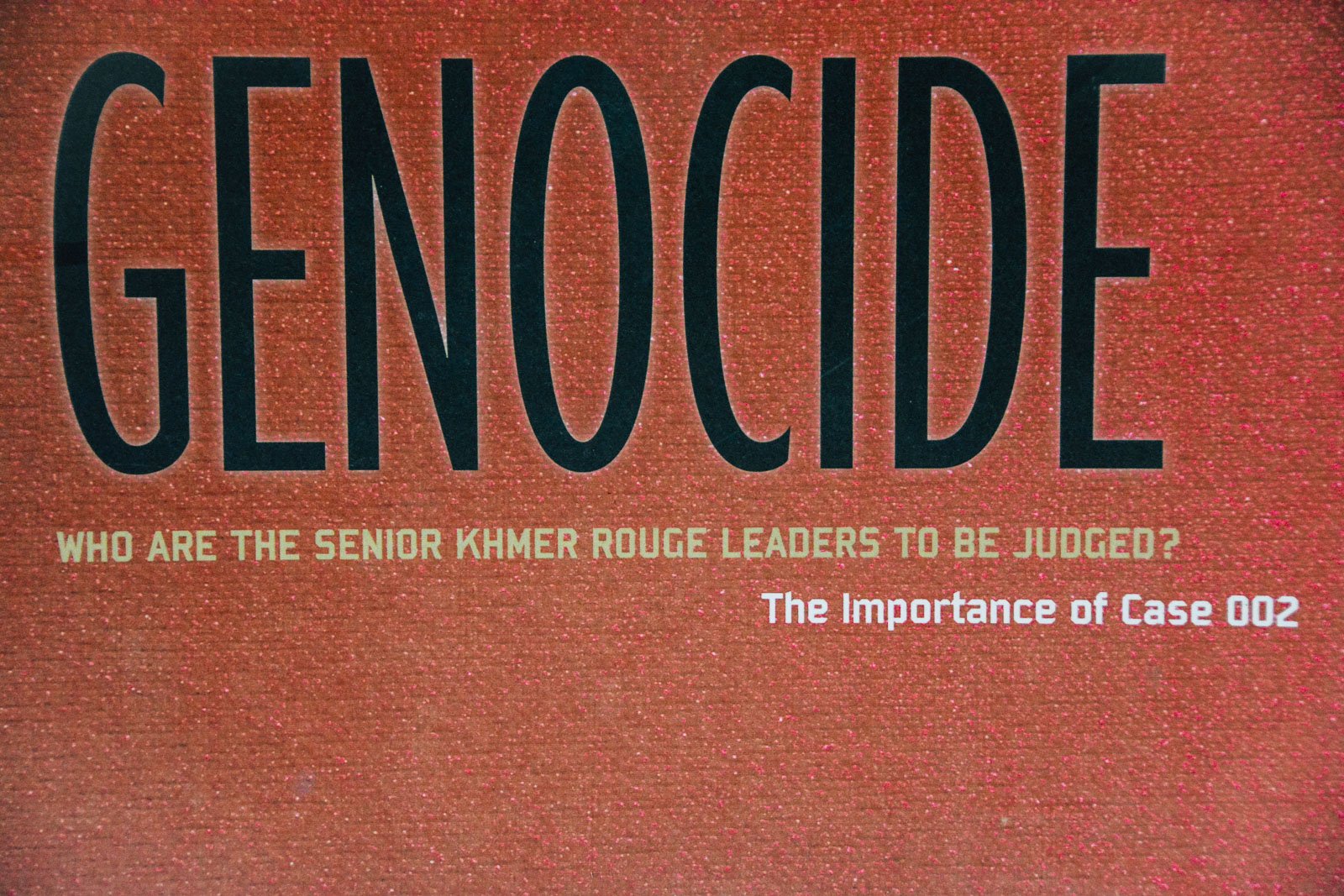
Choeung Ek is one of the best-known preserved killing field sites of Cambodia today. There are around 300 in total. It’s estimated that more than 1.3 million people in total were executed in these killing fields between 1975 and 1979. The mass killings are regarded as state-sponsored genocide. British sociologist and academic Martin Shaw describes the genocide as “the purest genocide of the Cold War era.”
The total number of estimated deaths at the hands of the Khmer Rouge ranges from 1.7 to 2.5 million. This includes deaths from disease and starvation. In 1975, Cambodia had a population of roughly 8 million, meaning approximately one out of every four people lost their lives. Many did so in barbaric ways. Some of these are documented at Choeung Ek.
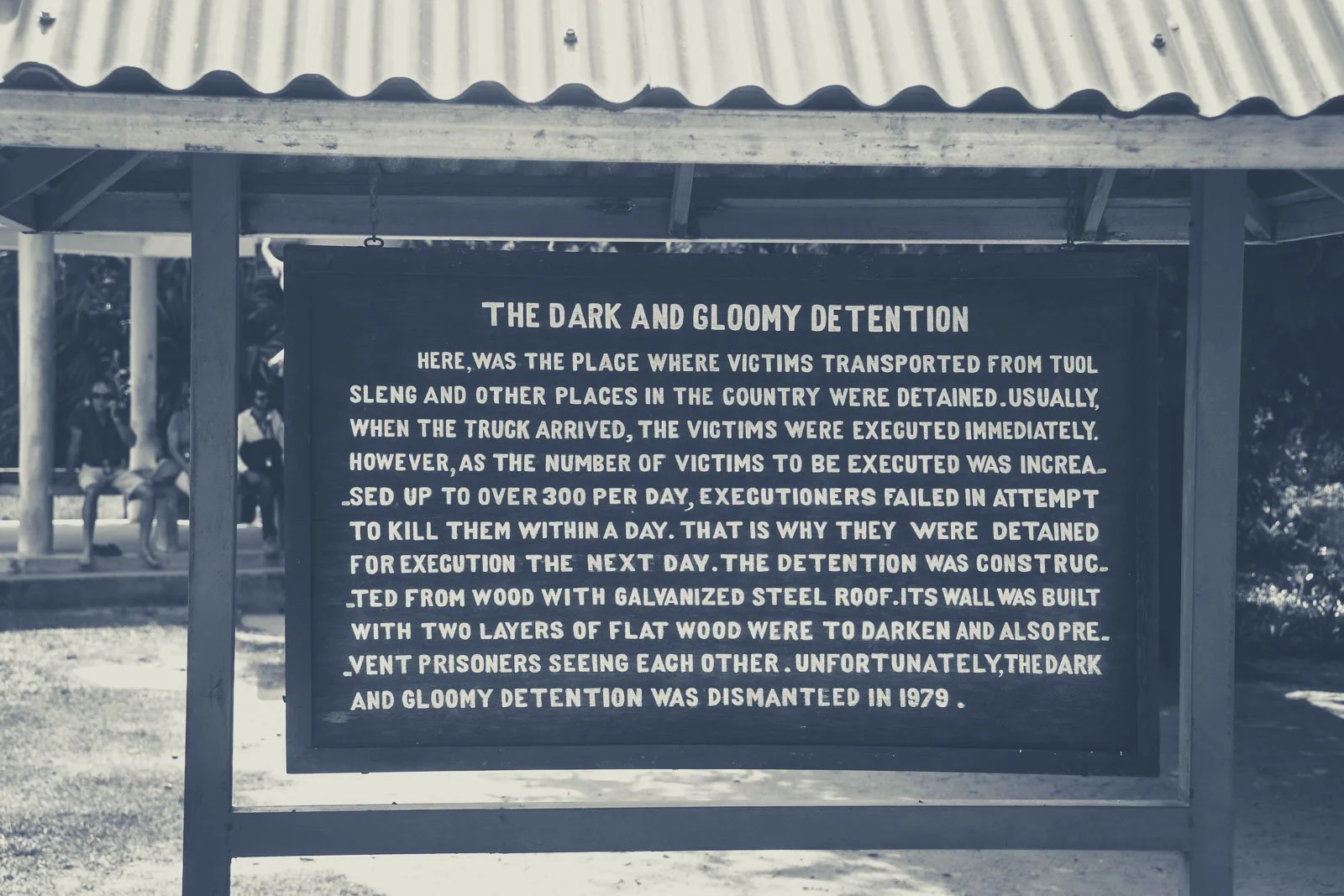
At Tuol Sleng (S-21) in Phnom Penh, the doomed faces of men, women, and children dominate the museum today. It was the country’s largest detention and torture centre. Nearly all died here. There is also a dark irony. As the insanity of the Khmer Rouge regime intensified, as suspicion and paranoia boiled over, the hunters became the hunted. Many of the executioners and torturers died at the hands of those who took their places. At its peak, S-21 claimed an average of 100 victims a day. There were only seven prisoners alive at S-21 when the Vietnamese army liberated the city in 1979. The prisoners had stayed alive using practical skills that proved useful to their captors, including painting and photography.
Unlike today when we have rolling news and round-the-clock documentation and multimedia sources, in the 1970s, the rest of the world had little awareness of the genocide in Cambodia. The full extent of the horrors was only revealed towards the end of the Khmer Rouge regime when people like Dith Pran escaped and were able to tell their stories to the world. Films like The Killing Fields would later bring those stories to an even wider audience. I saw the film many years before my trip to Cambodia.
Pol Pot fled to the jungles of southwest Cambodia in 1979. His Khmer Rouge government collapsed. From 1979 to 1997, he clung to power with another member of the old Khmer Rouge regime near the border of Cambodia and Thailand. Pol Pot allegedly committed suicide in 1998 while under house arrest, although the exact cause of death remains disputed. One thing we do know is he was never brought to account for the crimes he committed. The shadow of Pol Pot and the Khmer Rouge continues to cast itself over the country politically, socially, and psychologically. It is a country that remains tethered to its past.
Reader Reflections
Cosmas Opio January 2026
I am a theologian, my name is Cosmas from Uganda Christian University. I am reminded of the Gulag Archipelago in the Soviet Union under Stalin and the Communist regime under Mao Zedong. So sad. A happy new year 2026
My reply: Thank you Cosmas for commenting. Yes, there is unfortunately a lot of similarities between the regimes of Stalin, Mao, and Pol Pot. In each, there was only one 'truth' — and that could only lead to the atrocities history has recorded. The Gulag Archipelago is a sober read.
On a more hopeful note, happy new year to you too.
Your Reflections
If these photographs or the history behind them resonated with you, I'd welcome your thoughts.
Feel free to share this visual essay with others:
https://www.deeplifejourney.com/visual-essays/inside-cambodia-killing-fields