
Five Things a Move Forces You to Confront
A move reveals how little of your life was actually fixed.
Deep Life Reflections | Essay 127 | James Gibb

When we move home, we often think we’re moving our lives. In reality, a move shows us how little of it was ever fixed.
Most of us will move homes a handful of times in our lives—about eight on average. Each move takes between a few weeks to several months. That’s a lot of deliberation, paperwork, and boxes. This realisation feels razor sharp right now because I’m in the middle of my own move. Yesterday the movers packed all my things. Today, as I write, they’re hauling it away.
This week’s essay comes from my laptop in the local (noisy) coffee shop. I’ve got a couple of hours before I need to sign some papers. It feels fitting to use this in-between time to write some short reflections on moving. Not so much the practical kind (like remembering not to pack the spare set of house keys you need to hand over), but the philosophical ones.
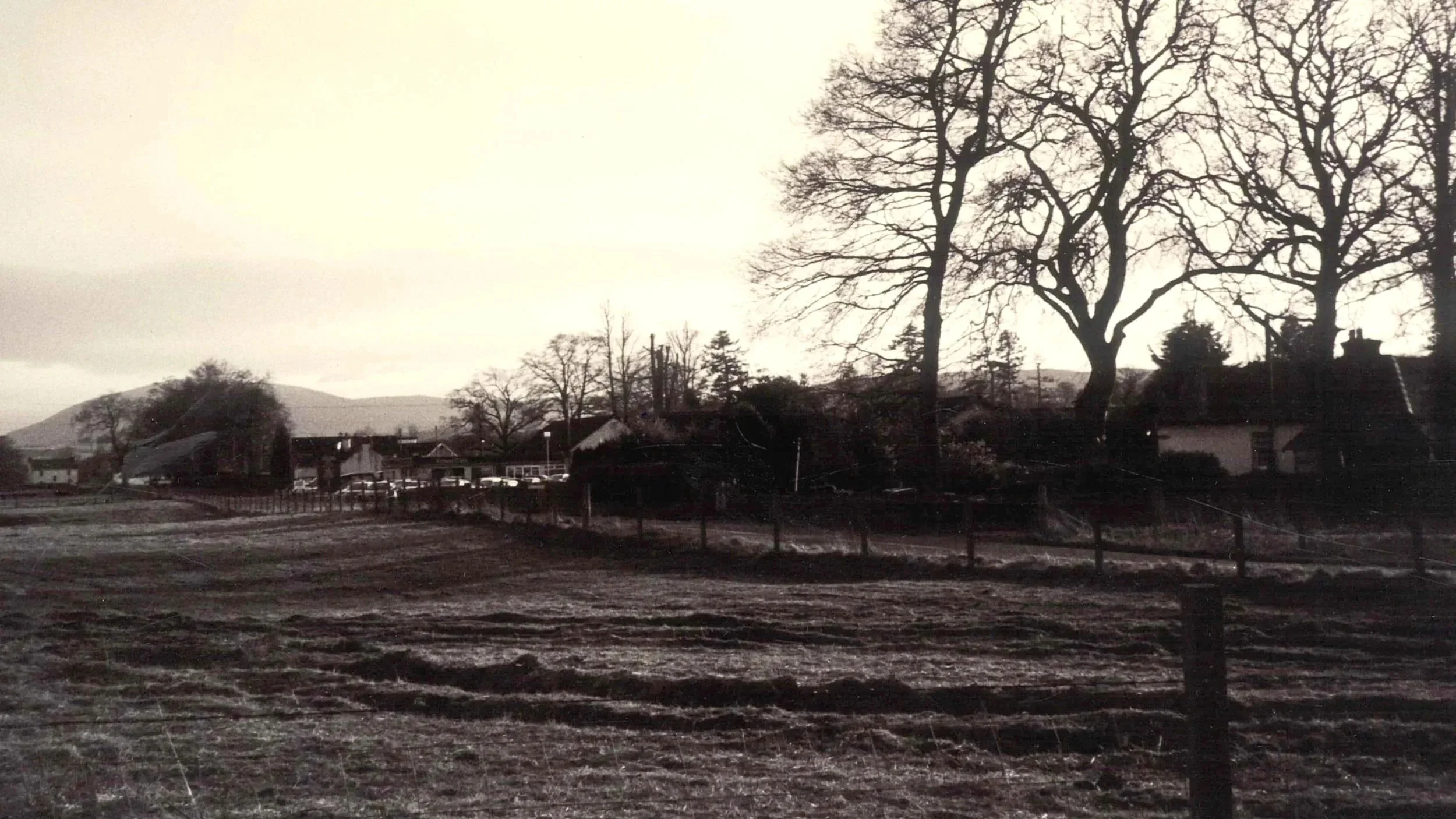
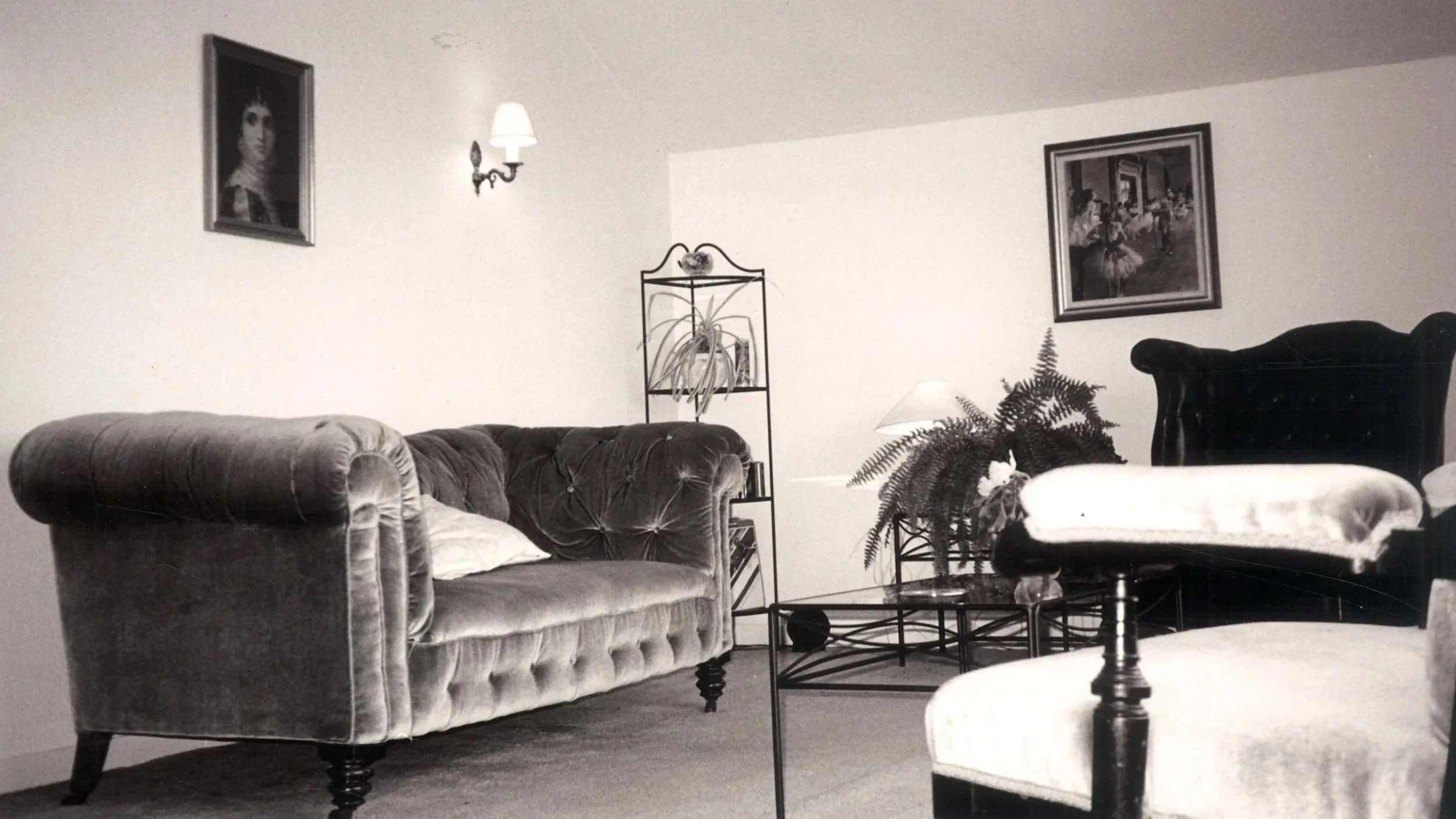
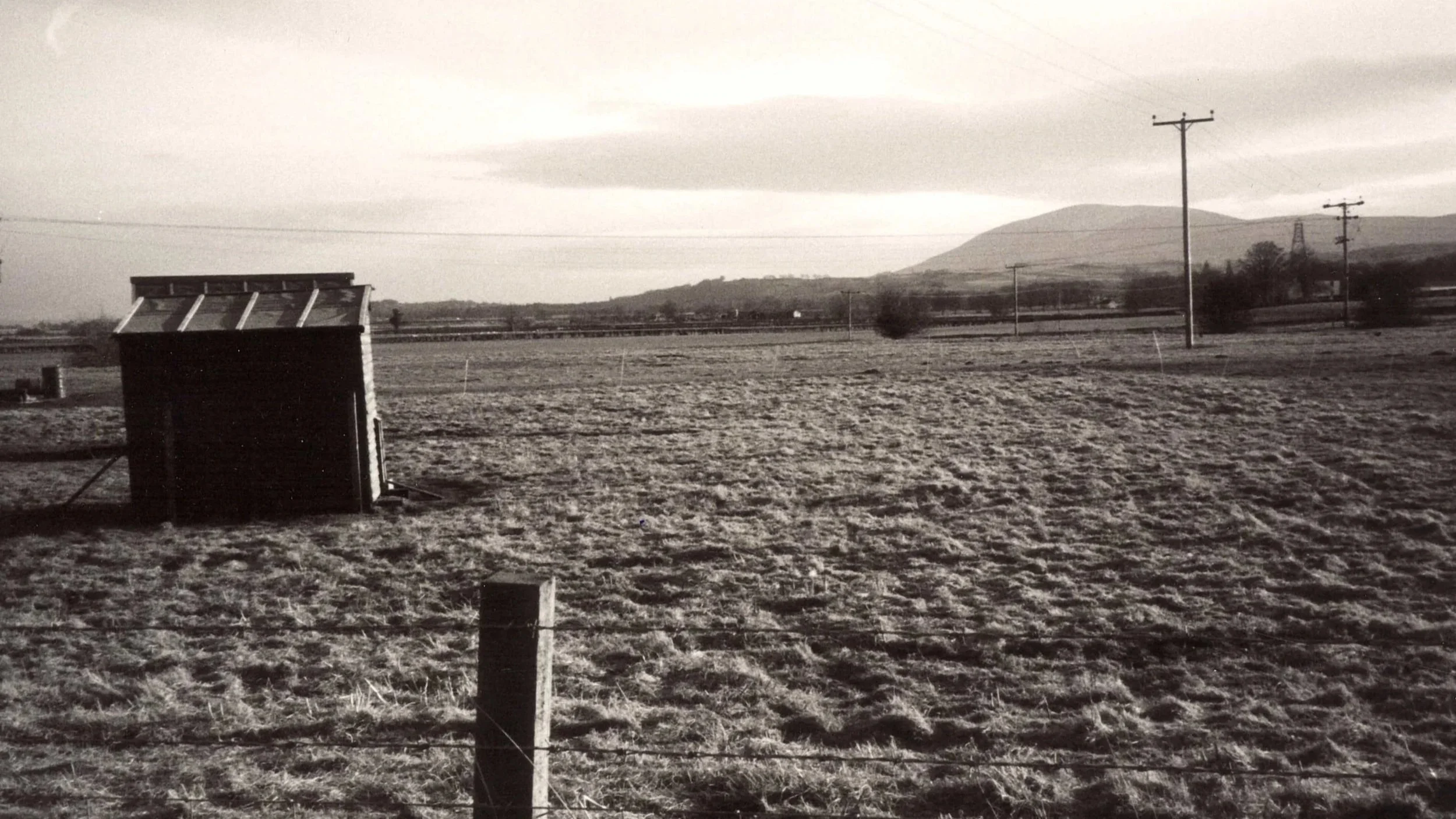
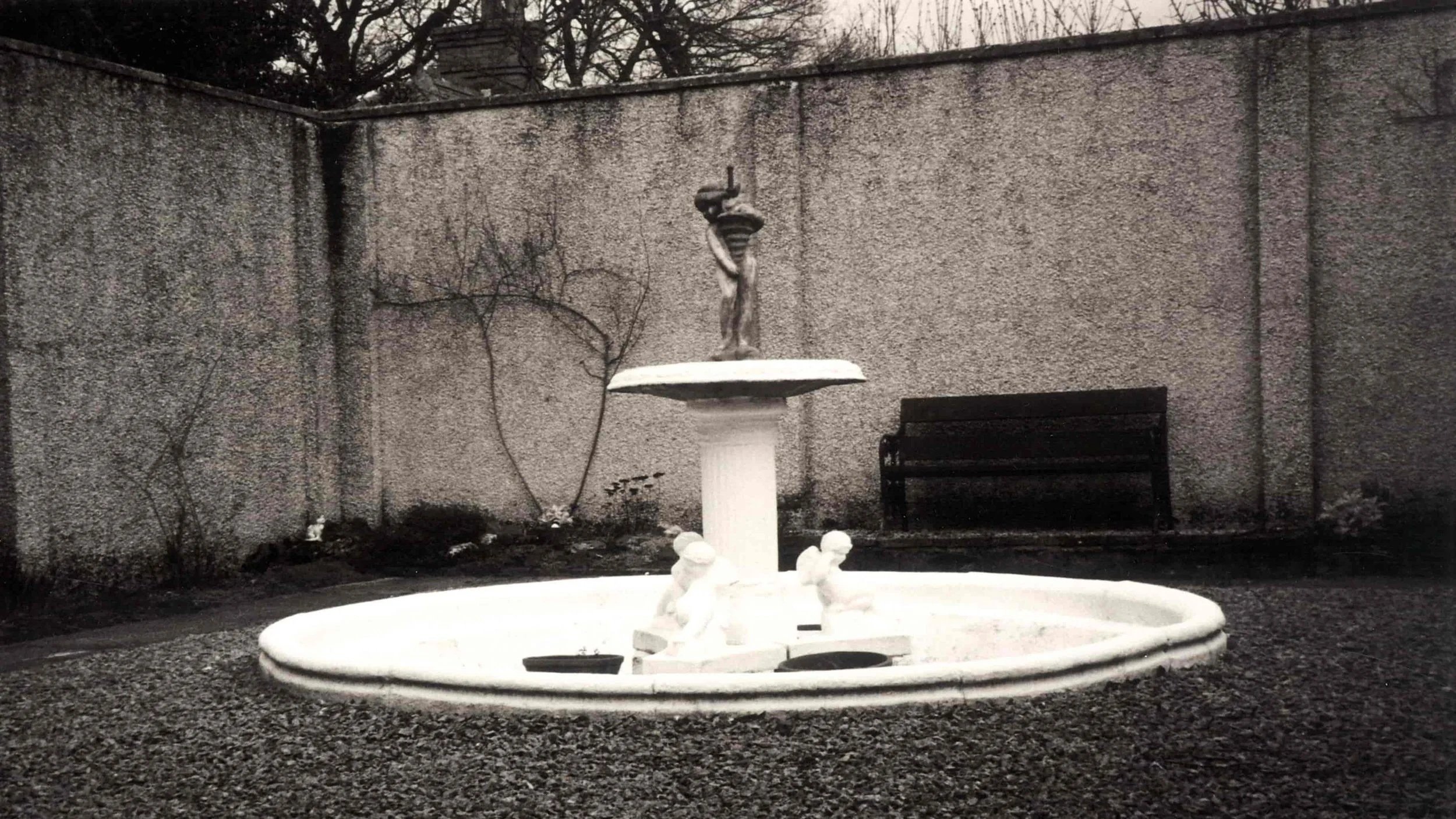
Maybe some of these will resonate, especially if you’ve moved recently or have one ahead. To accompany each reflection, I’ve included a black-and-white photograph I took thirty years ago of my childhood home and the surrounding countryside in south-west Scotland. They are a poignant collection for me and perfect companions to the themes of moving, memory, and continuity. This week’s cover image is also from that series: the little country lane leading to our home.
Five Things a Move Forces You to Confront
Inspired by a conversation with my friend and neighbour, Puya
1. Friendship and Belonging
My good friend and neighbour, Puya, shared a memory of his move from London to New York two decades ago. He recalled that before the move, it had been a long time since he’d made a new close friend. In London, he was comfortable with his established circle of friends. But in New York, he didn’t know a soul. That pushed him to invest in new friendships.
I can relate. When I moved to Dubai in 2012, I knew only two people. Now, I’m fortunate to have many friendships that will last a lifetime.
2. What We Own
Puya also shared how his attitude toward possessions changed. He used to think, “If I love this thing, I’ll keep it for the rest of my life.” But when all his things went into long-term shipping, he realised how comfortable he was without them. When they finally arrived, he gave almost everything away, keeping only four things: his DVDs, CDs, books, and photographs. Those still carried personal meaning. His view now is simple: when something is in his possession, he’ll appreciate it, then pass it on. Instead of feeling like a chain around the ankle, it’s released.
As it happens, I’ve also kept my DVDs, CDs, books, and photographs. I wrote in a recent essay about five specific items I wanted to keep and why. They are not chains. They are time capsules. When they disappear—as they will one day—their impact will remain.
3. Change and Reinvention
People move for many reasons. Sometimes by choice, sometimes by force. Economic pressures, political oppression, the end of a relationship, even the sudden loss of a home to fire or flood. Whatever the cause, welcome or unwelcome, each move carries an opportunity to present a new identity. In a new place, people don’t know your ‘old version’—the habits, roles, and expectations that once defined you. Change becomes easier, even natural.
That doesn’t mean the transition is pain-free. Moves originating from a rupture can be extremely challenging. Yet even in those moments, there is a chance to look again at who you are and how you want to live.
In a new place, the version of you others remember no longer applies.
4. Memories and Continuity
I’ve lived in 17 different homes so far. The longest was my childhood home (shown in the images this week), about 13 years. Even as we leave behind these places, we carry the stories with us. The nineteenth-century philosopher Henry David Thoreau once wrote:
“I left the woods for as good a reason as I went there. Perhaps it was because I had lived there long enough.”
Moving reminds us that continuity is less in the walls or the furniture, but more in the memories and meaning we choose to keep. Sometimes it’s simply time to move on. But the stories remain.
5. Control and Letting Go
Moving home is a major battle for a perfectionist: something is bound to go wrong. Something will break, something may get lost, schedules inevitably slip.
One of my earliest memories is moving house when I was three. My uncle Ray was helping, but his briefcase got packed away by mistake. Off went his work documents in the back of the lorry. It’s funny what we remember.
Moving home is a microcosm of life itself: much is outside our control. Best to make peace with that. The perspective we bring is always ours to choose.
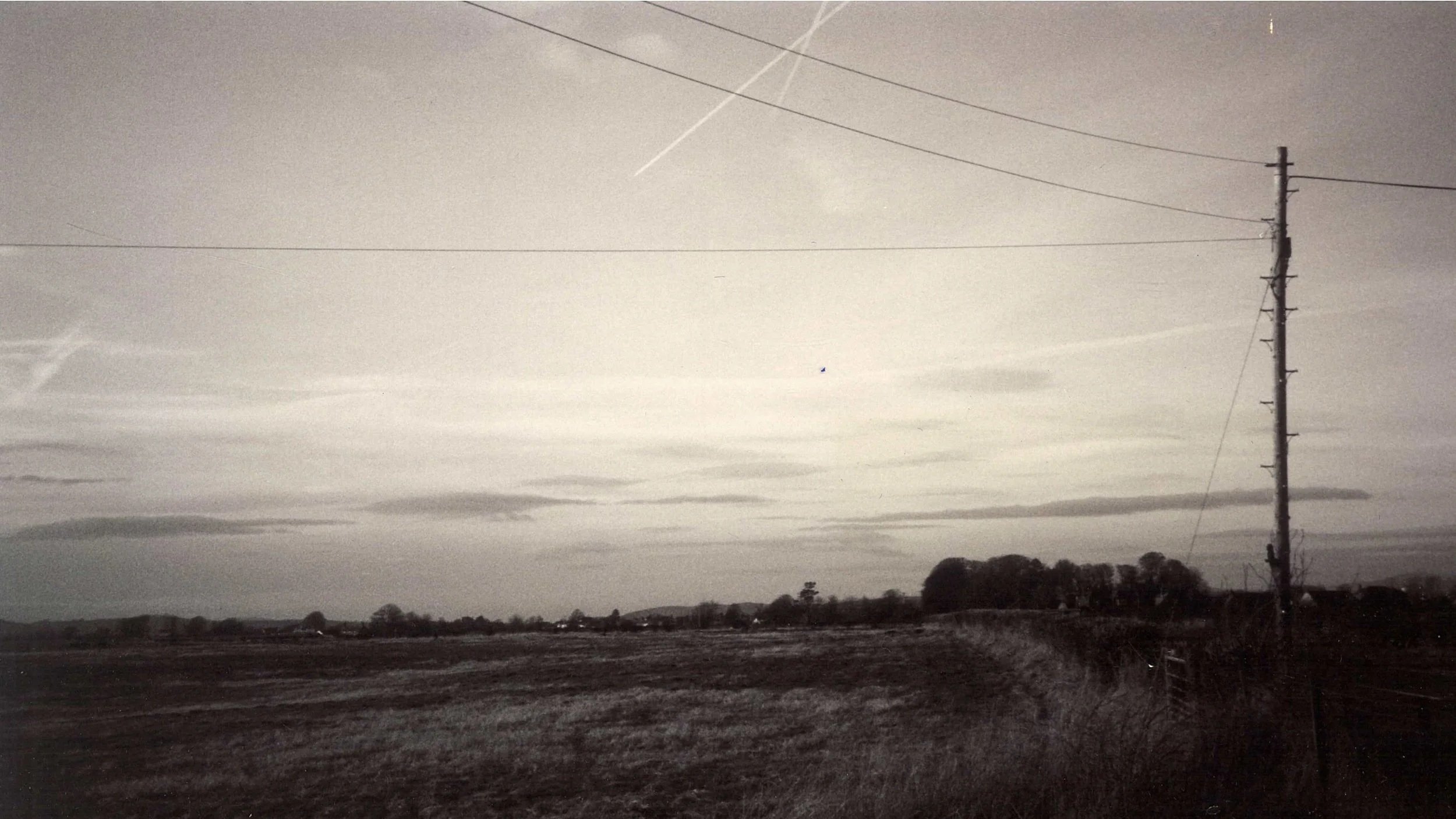
Movement is fundamental to the human experience. Our ancestors on the African savannahs moved with the seasons, seeking food, water, safety, and the bonds of community. Today we move for work, love, opportunity, or necessity. A different context, but the same underlying impulses.
Fixed yet unfixed.
A move doesn’t change everything. It reveals that everything was already changing.
Pass It On
If this idea was worth your time, it may be worth someone else’s.
Share this essay with a friend:
https://www.deeplifejourney.com/deep-life-reflections/22-august-2025
If you have a thought you’d like to share, please leave a comment below.
You can read all previous issues of Deep Life Reflections here.