
Anatomy of a Perspective
Photography and Anatomy of a Fall on how we dissect images, relationships, and the stories we think we understand.
Deep Life Reflections | Essay 96 | James Gibb
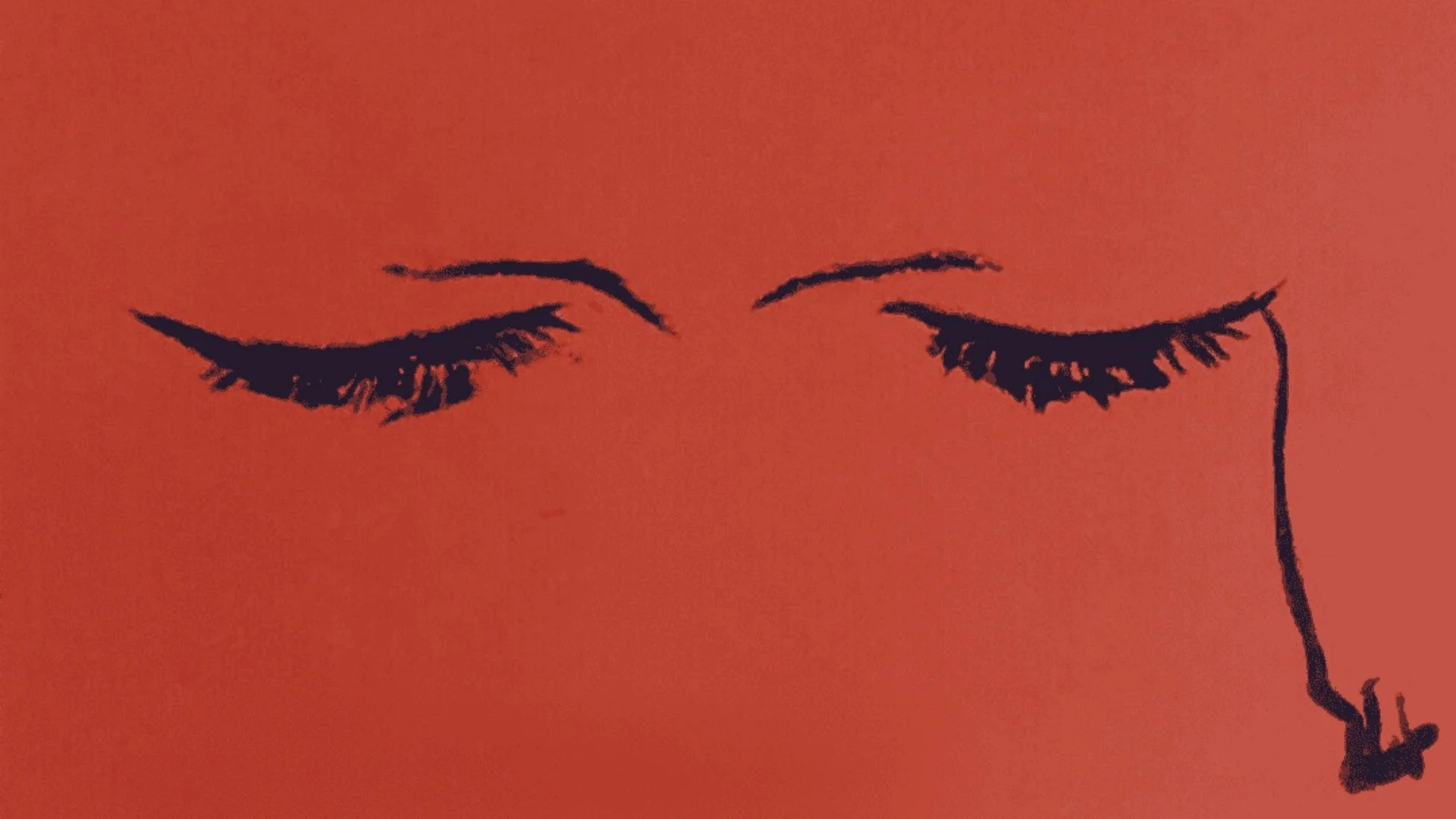
We don’t see what’s there. We see what we can make sense of.
Look at any photo from your past, perhaps a holiday, a celebration, or even something random and inconsequential. It likely stirs a feeling, perhaps something you haven’t felt in a while.
Images can preserve the memory of those closest to us, freeze a moment in history for future generations, and act as an observer of tragedy or joy. Photography is often seen as a window to reality. One that is always open. When we look at photographs, we don’t just look at them passively; we search for meaning.
Ian Jeffrey’s How to Read a Photograph—a beautiful hard-cover gift from a friend—reveals that photography is more like a language, a visual text we read just as we would a piece of writing. And not just read, but also interpret and feel. His book invites us to think differently about the images we create and consume.
Jeffrey journeys through the pioneering work of over one hundred great photographers, cataloguing the history of photography as an art form. He explores how meaning is embedded in an image, almost with forensic precision. As he explains, we don’t just look at photos, we read them, searching for clues, deciphering symbols, and attempting to understand the context in the same way we would unravel the subtext of a novel or poem. Photographs aren’t just static images; they represent dynamic narratives filled with intent, emotion, and cultural resonance.
Photographer Stacy Kranitz once said, “Photography becomes an ideal medium to navigate ideas around humanity, connection, identity, memory, presence, experience and intimacy.”
This philosophy comes to life in the work of iconic photographers like Alfred Stieglitz, Bill Brandt, and Henri Cartier-Bresson. Jeffrey dissects their work with exactness and care, examining how these masters used light, composition, and timing to tell stories that endure far beyond the frame. He starts with William Henry Fox Talbot, the British scientist and photographer who made the first photographic negative in 1835. His subject was a lattice window in his home in Lacock Abbey, England. Even today, that photo has a serenity and sense of wonder, an idea of both discovery and permanence, the very foundation of what photography would become.
A section on the Great War showcases the character of war and those who lived it. In German Pilots, Wilhelm Von Thoma captures ten men standing as they please, resplendent in their uniforms and individuality. Pilots in the first world war constituted a new aristocracy: the aviators. Steeped in charisma and technical skill, these aviators set in motion the idea of the ‘star’ that later flourished in film between the two wars.
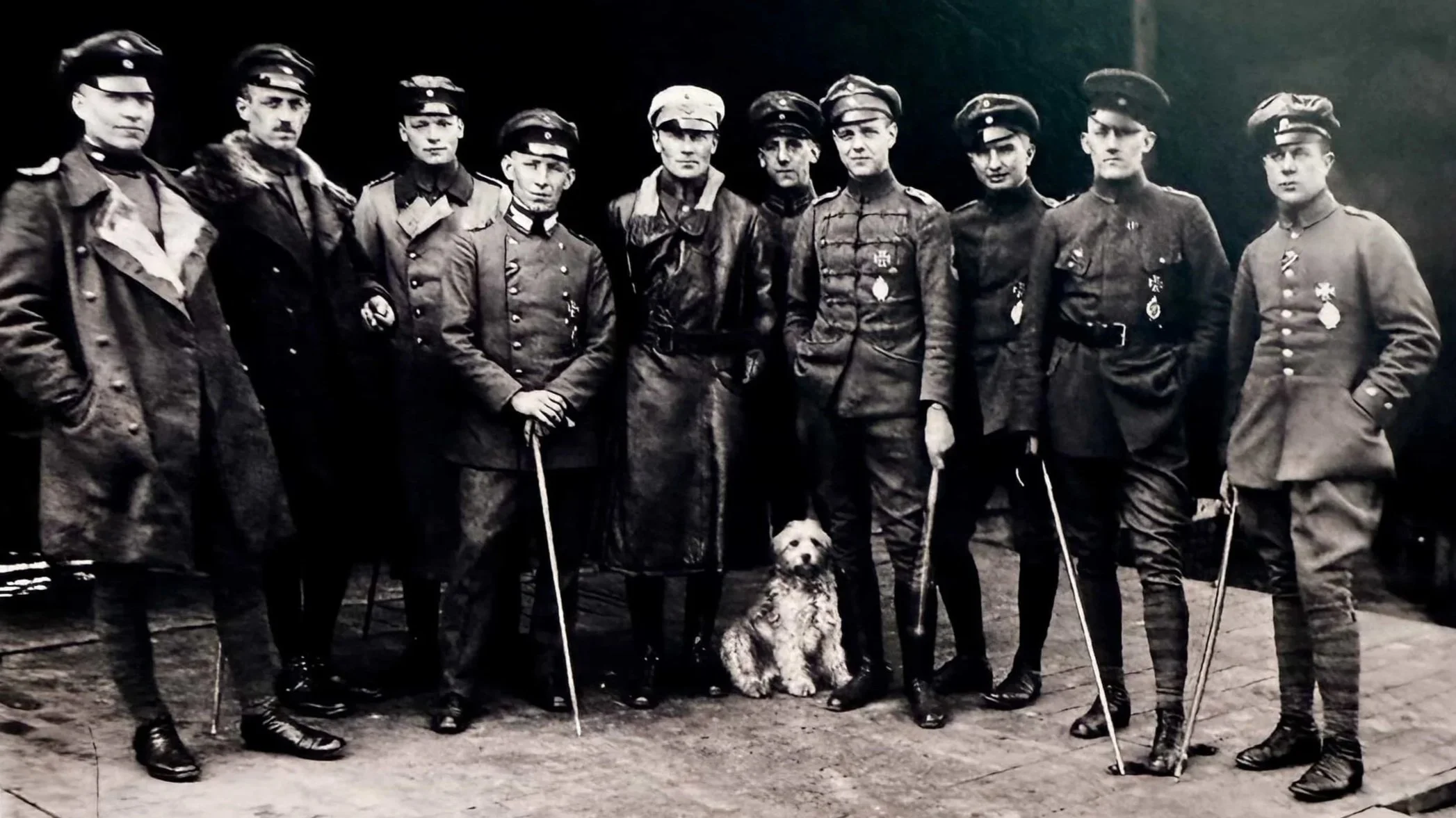
German Pilots by Wilhelm Von Thoma
Like great literature, How to Read a Photograph doesn’t impose an interpretation. Jeffrey offers his view, but allows each image to stand alone, uncategorised, inviting us to bring our own perspectives and experiences to what we see. As we reflect and think deeper, it recalls that other truth about photography: it is as much about the viewer as it is about the maker.
That same uncertainty, of what we see, what we think we know, extends far beyond images. It shapes how we understand people, relationships, and the stories we tell ourselves about both.
“We don’t see things as they are, we see them as we are.”
—Anaïs Nin, Seduction of the Minotaur
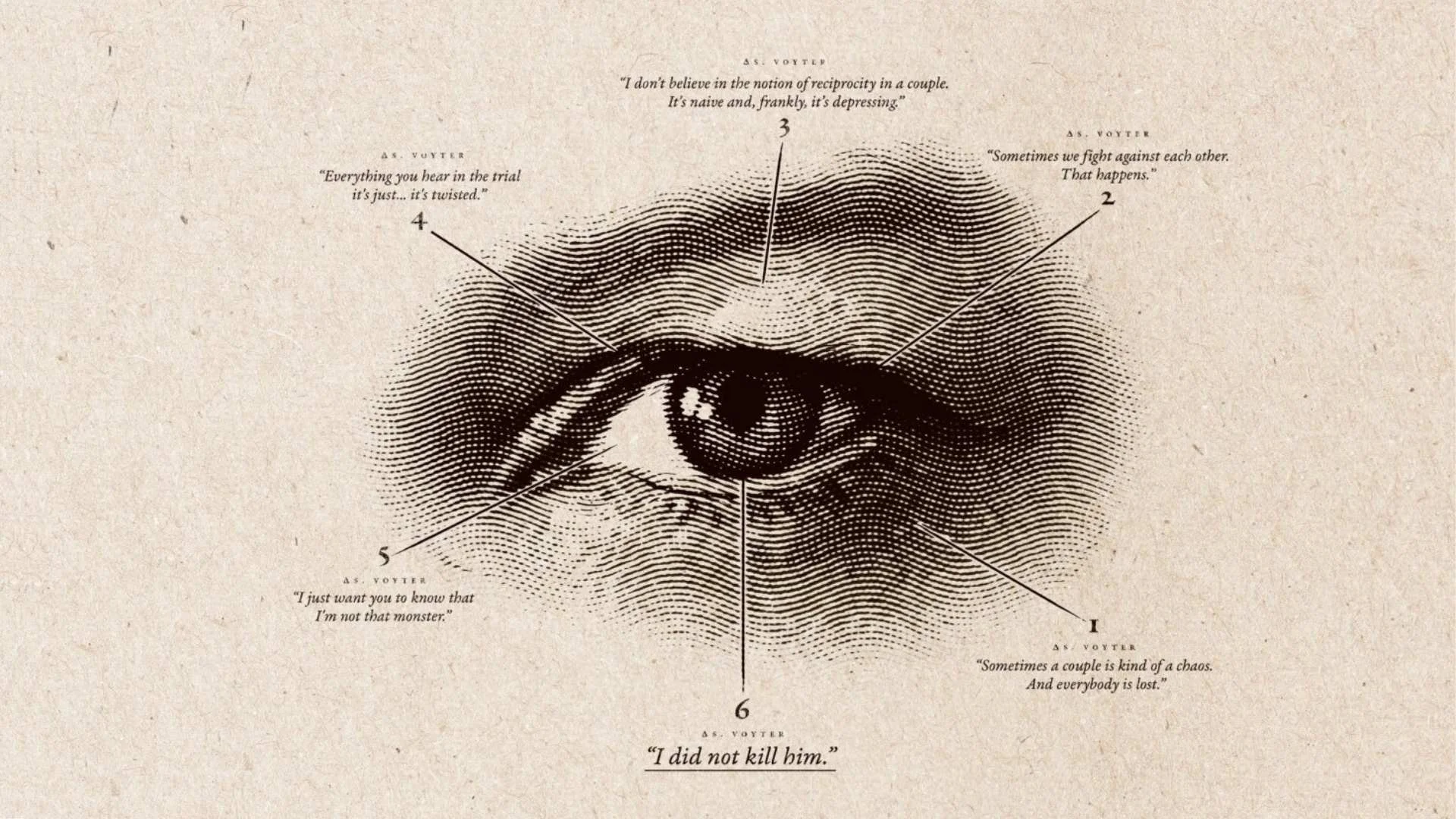
Anatomy of a Fall. Directed by Justine Triet
Winner of the Palme d’Or at Cannes, Anatomy of a Fall is a textured exploration of truth, perception, and the slow, ruinous unravelling of a relationship. Directed by Justine Triet, the film examines the aftermath of a man’s death, Samuel. His body is discovered by his partially blind son, Daniel, at the base of their home in remote and snowy Grenoble, France. His wife, Sandra, becomes a suspect, and the story becomes her trial. The court attempts to answer the central question: was his fall an accident, suicide, or murder?
Sandra’s character is a study in ambiguity. We’re never really sure about her guilt or innocence, and we’re given little evidence that supports either. Triet instructed her actress, Sandra Hüller, to stay in an emotional arc that avoided clear signs of guilt or innocence. Sandra remains remote and elusive, a woman impossible to fully know. This detachment is mirrored in the cold, isolating setting of Grenoble, where the frozen, barren landscape becomes a metaphor for the emotional distance within the family, especially with her son Daniel, called as a witness in the case.
Communication plays a central role in the film. Sandra and Samuel communicate in English, a second language for both, adding layers of miscommunication and distance. Meanwhile, Daniel, struggling with impaired vision after an accident, becomes a symbol of the film’s broader theme: we don’t fully understand each other, nor do we fully see one another.
Anatomy of a Fall is fundamentally about the unknowable nature of relationships, particularly in marriage. How well do we ever really know those closest to us? The title itself serves as a metaphor: ‘the fall’ reflects both the physical tragedy and the slow-motion collapse of a marriage, while the ‘anatomy’ refers to the painstaking dissection of every moment, motive, and interaction between Samuel and Sandra. The courtroom becomes a stage where the remnants of a life are laid bare: tangled and open to interpretation.
One of the film’s most devastating scenes—an argument between Sandra and Samuel—is experienced through an audio recording made by Samuel weeks before his death, played back for the jury. We, as the audience, become silent observers, a kind of ‘super jury,’ interpreting the anatomy of their communication. We see and hear resentment, pity, infidelity, and the breakdown of a partnership. It feels like one of many such interactions, each one adding a cruel weight to their collapsing relationship.
Triet draws inspiration from real-life cases, including the Amanda Knox trial, adding themes of public scrutiny and personal identity into the core of the story. As Sandra’s life is examined under the court’s microscope, it begins to feel as though her personality, as much as her actions, is on trial. There is no clear resolution. We don’t even hear the final verdict, only the press conference a few minutes later. There may be a puzzle to solve, but Triet has other priorities.
Anatomy of a Fall is concerned with the idea that it’s impossible to ever truly know another person. It’s about the struggles of effective communication and what that failure can lead to in its worst form. We feel the chill and the cold. We feel the warmth drained from the family and the clinical steel-tipped anatomy of the trial.
Even when all the pieces are in place, the answers remain just out of reach.

Switzerland by Gavin Spooner. Winner of the Life in Another Light contest
In both photographs and relationships we are both observing and interpreting. We are filling the gaps and projecting meaning. Our truth is shaped by personal experience and context.
I saw something interesting this week—Life in Another Light, a photography contest for the best infrared photography. The winning photo, Switzerland, reframes a familiar Swiss mountain scene as something entirely new: a fluorescent pink foreground framed against a natural landscape. It’s a striking and otherworldly contrast. A reminder that what we see depends on how we choose to look, and what tools we use to look.
In an era dominated by smartphones and our infinite digital library, it feels like we are losing the power of the photograph as something deliberate. The ‘photo dump’ phenomenon reflects this shift. No longer are photos curated to preserve meaning, they are shared en masse, consumed in seconds, then forgotten, consigned to a bottomless digital well.
With all these digital memories, we risk drowning in moments that lack meaning. We may require some kind of digital sieve to sift through the noise and carefully curate what matters. Memories that anchor us to people, places, and moments.
Whether in the anatomy of relationships or photography, meaning comes from careful observation and intentional focus. Without it, we lose the layers of truth, connection, and beauty that make life rich.
Pass It On
If this idea was worth your time, it may be worth someone else’s.
Share this essay with a friend:
https://www.deeplifejourney.com/deep-life-reflections/january-17-2025
If you have a thought you’d like to share, please leave a comment below.
You can read all previous issues of Deep Life Reflections here.