
The Terror of Sound
Relic, The Zone of Interest, and how sound drives fear and emotion.
Deep Life Reflections | Essay 70 | James Gibb
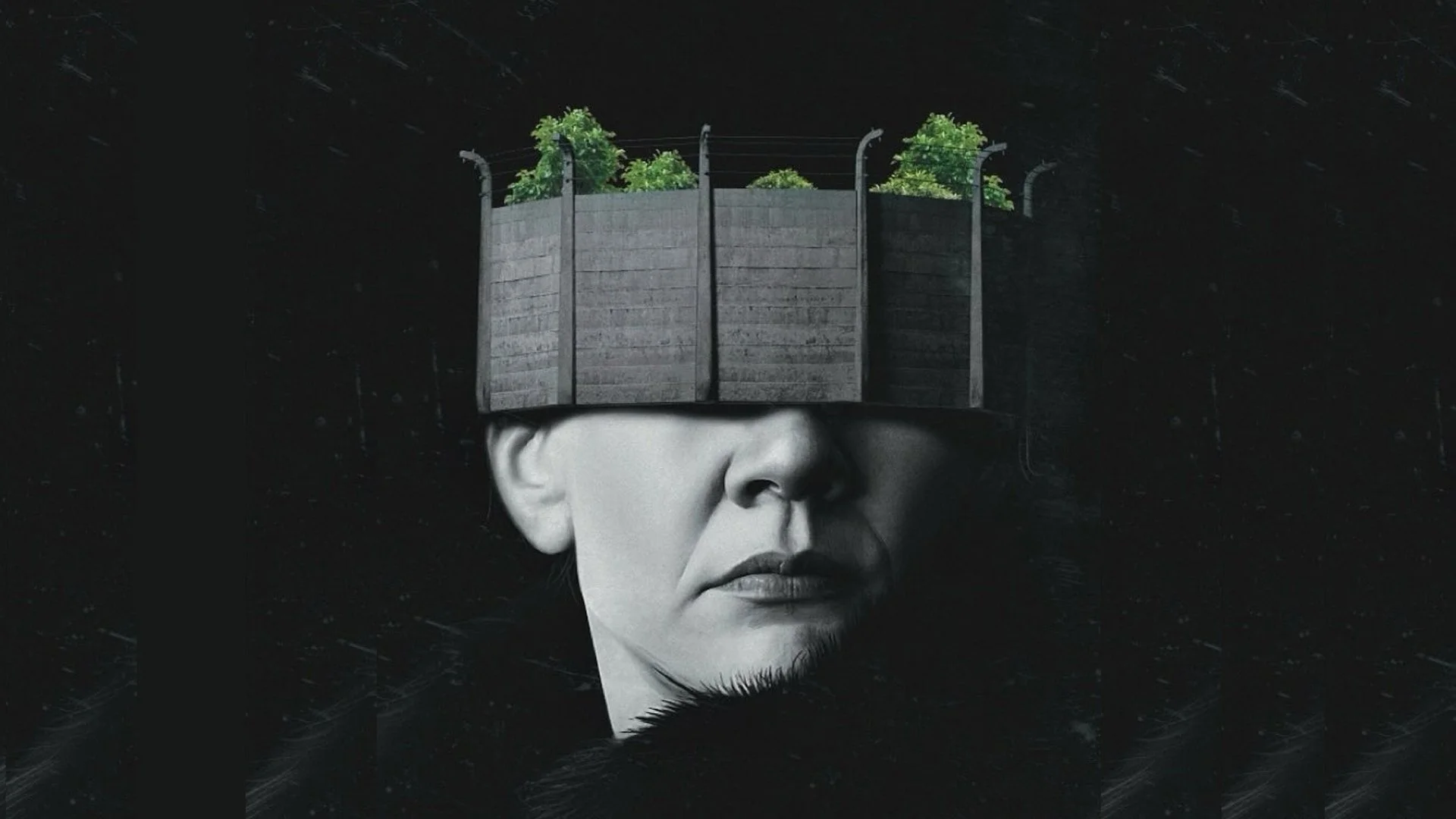
Sound has a way of reaching the body before the mind has caught up, making what we cannot see impossible to ignore.
Museums have never struck me as particularly scary places. Maybe that’s because they’re usually brimming with people, offering a sense of safety in numbers. But imagine visiting one of those grand old history museums in London or New York and finding yourself alone. No other soul, just you. The only sound is the echo of your footsteps on the polished and pristine floor. Suddenly, wandering through the giant, dimly lit exhibition halls, staring at ancient and eerie artefacts, the experience becomes something else entirely.
This sense of fear through isolation and sound is brilliantly brought to life by co-authors Douglas Preston and Lincoln Child in their 1995 horror-thriller, Relic. Set in the American Museum of Natural History, the novel transforms this familiar and safe institution into a cavern of tension and terror. And we’re along for the ride.
When a series of brutal murders takes place in the famous New York museum, which is preparing for a highly anticipated exhibition called ‘Superstition,’ everyone and everything is thrown into chaos. Visitors and staff are found savagely mutilated. A colourful cast of characters, including an FBI agent, a museum curator, and a journalist, start to piece things together. They discover a link between the murders and a mysterious artefact shipped from the Amazon jungle several years earlier. The artefact is connected to a monstrous and deadly creature lurking within the museum’s shadowy corridors and long-forgotten subterranean basements.
Now, this may or may not be your thing. But as a thriller, it is the very definition of a ‘page-turner.’ I went through 450 pages in no time. The skill of the writers to flip the image of the Natural History Museum as a place of education and safety into a sort of fog-ridden, menacing, 1880s-like setting reminiscent of Jack the Ripper’s East End of London is rather genius. Their use of sensory details, especially sound, heightens the sense of isolation and fear. Given we are in the midst of summer holidays, Relic might be the perfect read for the beach or pool. Safety in numbers.
I visited the American Museum of Natural History in 2017. Suffice to say, it was a very different experience. Just me and fifteen thousand others, that’s a lot of footsteps and a lot of sound. But if I’d been alone? Well, I’m glad I hadn’t read this book by then.
Relic uses sound like a trapdoor, something moving where nothing should be. The Zone of Interest uses sound in a different way. It lets us hear what the camera won’t show.
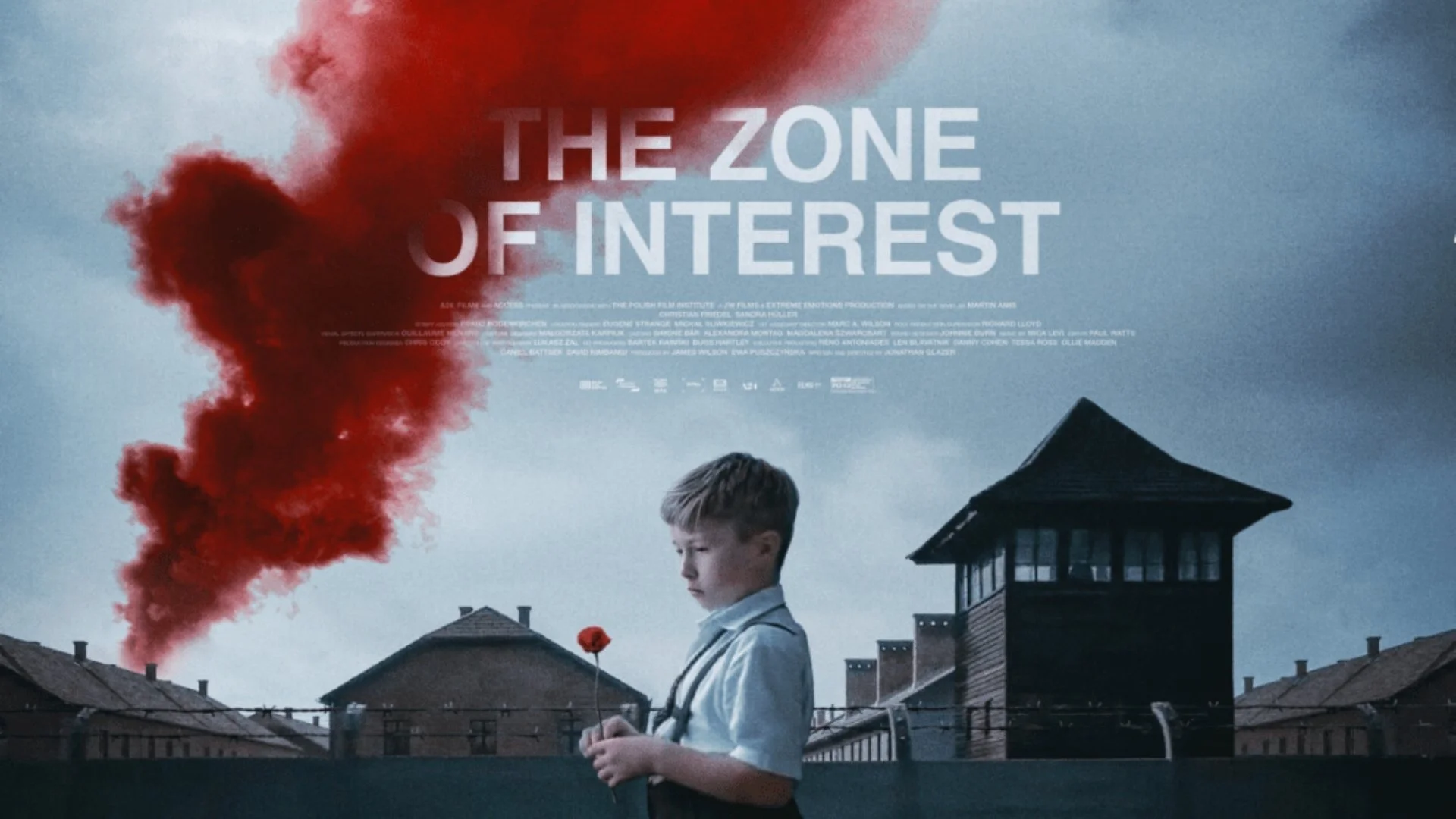
The Zone of Interest. Directed by Jonathan Glazer
Winner of Best International Feature at this year’s Academy Awards, The Zone of Interest captures a terror and horror that is self-inflicted and all too real. The film tells the true story of Rudolf Höss, the highly efficient commandant of Auschwitz. Höss, his wife Hedwig, and their children live in a large and comfortable house with a big green garden just outside the camp. They go about their daily lives in a state of normalcy as countless atrocities are committed just beyond the barbed wire fence. The title of the film is an expression used by the Third Reich to refer to the 40-square-kilometre area around Auschwitz.
Director Jonathan Glazer has made a film that is hard to shake once you’ve seen it. It’s dark and deeply uncomfortable, the kind of film you likely watch only once. It opens with a two-minute shot of a black screen, accompanied by a sound that increasingly gets louder. Film critic Brian Tallerico suggests that this unusual opening aims to “take viewers from the ordinary world into this film. Put down your phone. Pay attention. Listen. What you will hear in this film will be as important as what you see.”
Sound is central to the film, yet there’s very little music. Instead, Glazer tasked his sound designer Johnnie Burn with creating a soundscape that would depict the off-screen horror. Glazer didn’t want the atrocities to be seen, only heard (and we never see graphic depictions of violence). Burn subsequently built a comprehensive sound library including the noises of a furnace, boots, trains, dogs, manufacturing machinery, period-accurate gunfire and the human sounds of pain. This is what we hear, a constant throbbing of menacing sounds, from trains arriving to gas chambers operating. They are ever-present. The sound becomes the film.
The film’s originality and unease stems from how Glazer places the ordinary and banal life experiences of the Höss family with the dreadful suffering taking place just beyond their backyard. Discussions about garden improvements and holiday plans rub up against the backdrop of one of the most horrifying chapters in history. The Höss family are not oblivious to what’s happening, they just don’t particularly care. It is mundane to them. This emotional detachment is the most disturbing aspect of the film, especially through what we hear.
Rudolf Höss was executed for his crimes by hanging on April 16, 1947. Fittingly, he was hanged on a gallows built outside the entrance to Auschwitz, the place where he oversaw so much horror.
A place that is now silent.
Sound is even more of a constant in modern life. It defines our environment, evoking joy or fear, affecting our mood. Ironically, silence can have the same potent effects.
In The Zone of Interest, sound creates an atmosphere of psychological tension and unseen menace. The audience, like the characters, can never escape or forget where they are. In Relic, sound, or the lack of it, creates an atmosphere of isolation and vulnerability, especially within the dark and brooding museum.
Hearing is our fastest sense. The human ear can perceive sounds in less than 0.05 seconds. This primal instinct protects us from potential danger. Unexpected noises can trigger fear and anxiety, making us more alert and reactive. When the fire alarm goes off in my building in the middle of the night, for example, it’s a jarring experience that induces serious panic, but that’s the point.
Our ears have an incredible range, from the deep rumble of a bass drum to the high-pitched chirping of a cricket. These sounds form our experiences and emotions, influencing our mood and perceptions. Certain sounds can also trigger memories and emotions, which can be comforting or disturbing, depending on the context.
Often, we go through life on autopilot, taking the sounds around us for granted. Spending a few moments regularly to really listen can help build a little more appreciation and intentionality, even if only slightly. Watching the Tour de France yesterday, I wondered what it must be like to hear the 100-plus rider peloton fly past at 60 km/h. What does that sound represent? How does it make us feel? Everyone will have their own interpretation.
Sound is a strange thing. It enters us before we are ready. It lingers, too, reminding us that the world is never only what we see.
Pass It On
If this idea was worth your time, it may be worth someone else’s.
Share this essay with a friend:
https://www.deeplifejourney.com/deep-life-reflections/july-19-2024
If you have a thought you’d like to share, please leave a comment below.
You can read all previous issues of Deep Life Reflections here.
Image credit: Karol Rogóż