
The Weight of a Dedication
To whom, for what, and why it matters.
Deep Life Reflections | Essay 142 | James Gibb
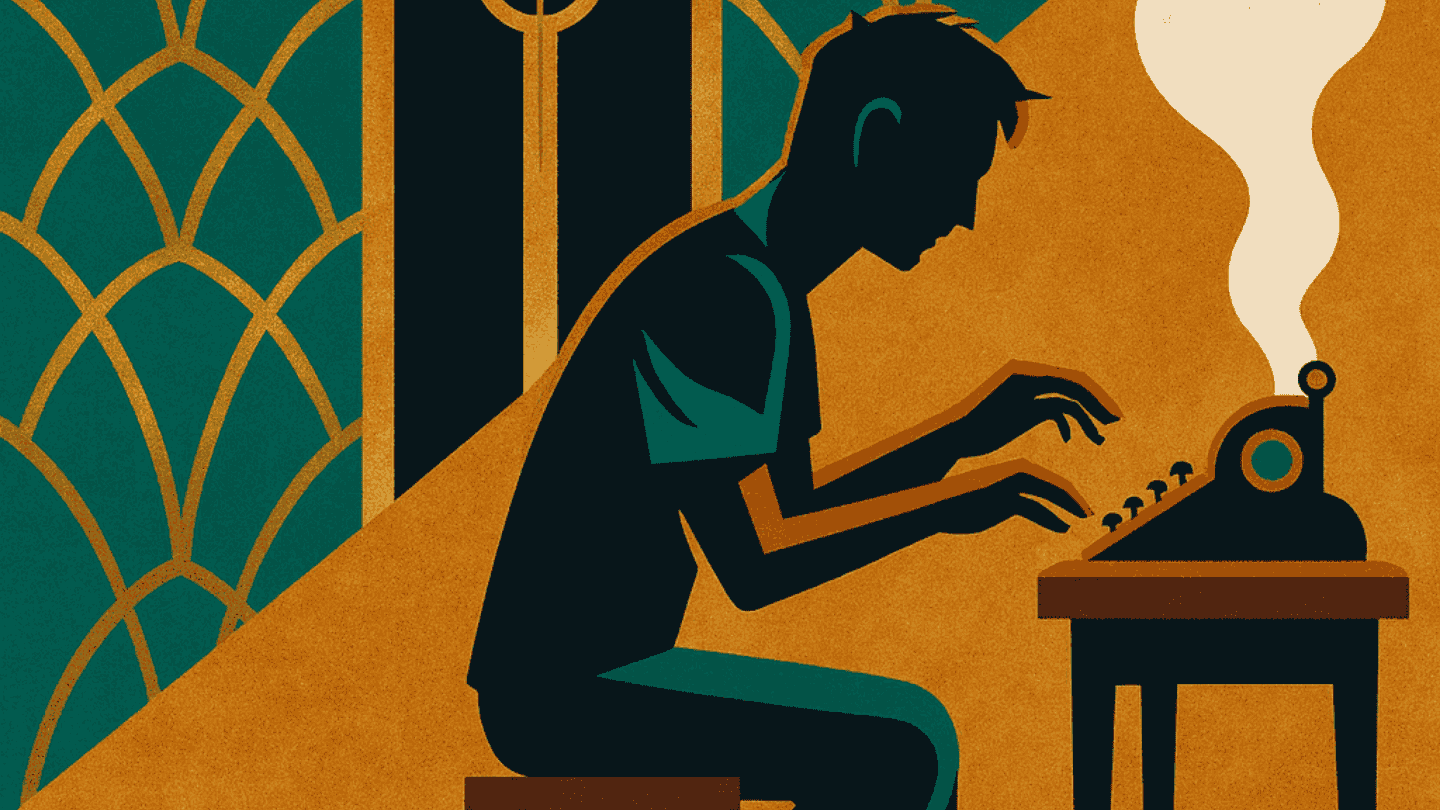
A few words at the front of a book can say more than everything that follows.
Last week was my 50th birthday. Being fifty in 2025 is a very different proposition from being fifty in 1925. (Life expectancy for a man in the UK then was just 53).
As a lover of books, it was a welcome surprise to receive several notable titles as birthday gifts from family and friends. They included:
The Stanley Kubrick Archives
Ulysses by James Joyce
Gemini and Mercury Remastered by Andy Saunders (photographer)
The Star Wars Archives: Episodes IV-VI 1977-1983
One, Two, Three, Four: The Beatles in Time by Craig Brown
One of the books I’m currently reading is The Denial of Death by Ernest Becker. This is Becker’s life work, and it won the Pulitzer Prize. His essential premise is that the greatest challenge we face in life is born from our innate desire to be heroic. By ‘heroic’, Becker is referencing every human’s destiny to justify themselves: to stand out, to make the biggest possible contribution, to be of value. To show that they count more than anyone or anything else. It’s rooted in self-esteem. It begins in infancy. And it stays with us.
The reason I mention Becker’s book—aside from the fact I’m currently reading it—is the dedication he makes at the start. It reads:
“To the memory of my beloved parents, who unwittingly gave me—among many other things—the most paradoxical gift of all: a confusion about heroism.”
Before a single word of chapter one, Becker sets the tone for the struggle that follows: the duality and complexity of human beings.
It got me thinking about book dedications more broadly. Nearly all books have one. It’s a short but meaningful way for an author to honour something or someone significant, usually a loved one. Often, it’s an acknowledgement to someone who stood by them, believed in them, or simply was there for them.
Dedications are often overlooked, glossed over, or skipped, like the credits at the end of a film. But that’s where the unsung are sung, however briefly.
There’s a certain charm and weight to a dedication. Like a photograph, captured in time, that stands forever on its own island of white space and water. Their concise nature and presidential position at the very beginning of the book give them stature. A glimpse into the heart, mind, and soul of the author.
Like Becker’s, the ones that stay with me do more than just honour. There’s something bigger at play, more profound, more emotional, helping set the stage for the words, ideas, and worlds to follow.
A dedication can enrich.
I’ve selected five that do just that.
Five Dedications That Stand Out
FROM THE WORLD OF LITERATURE
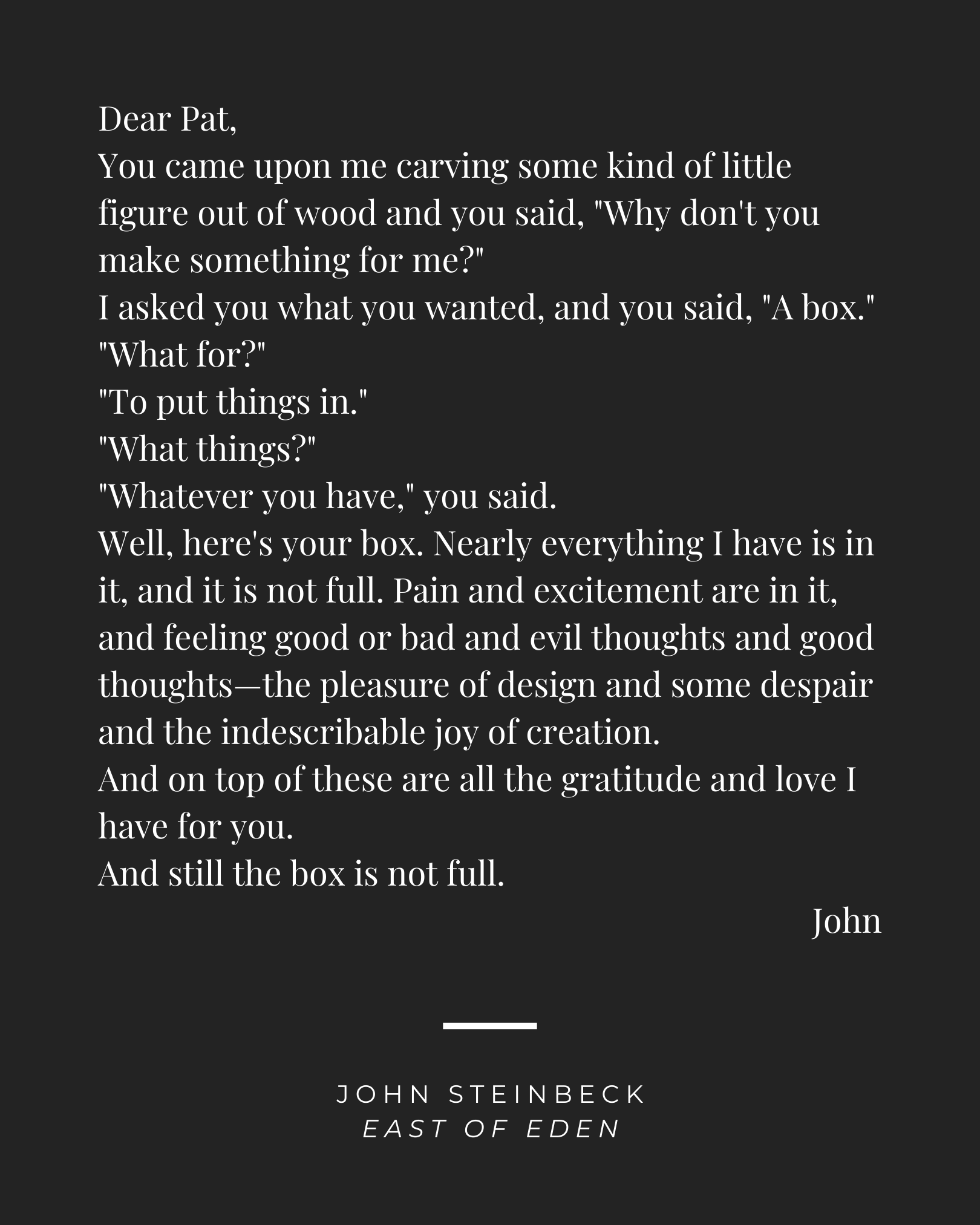
Steinbeck’s dedication to his longtime editor and friend, Pascal Civici.
Dedication as a gift.
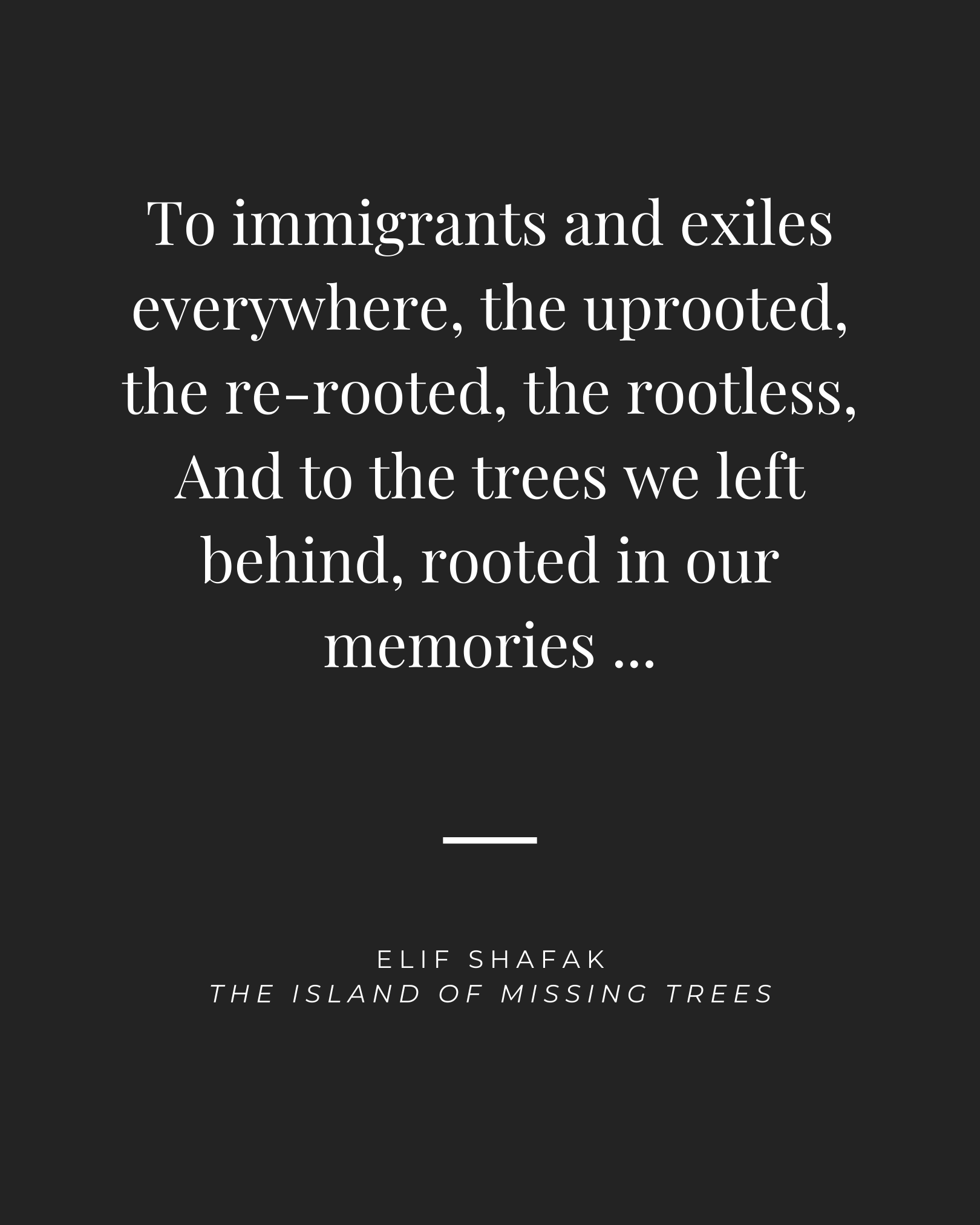
Shafak’s dedication to the collectively displaced.
Dedication as solidarity.
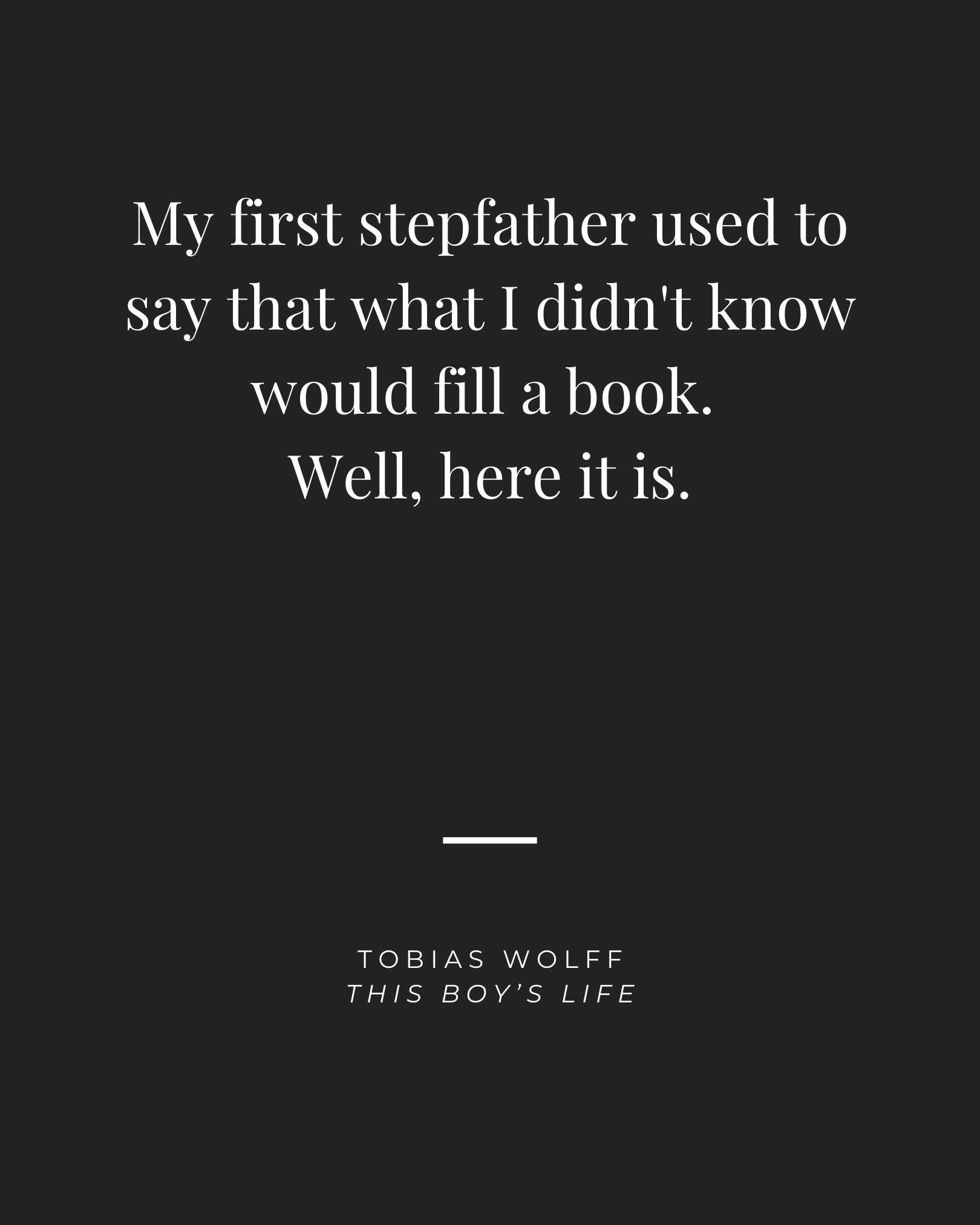
Wolff’s dedication is bitter, sharp, and beautifully contained.
Dedication as a reckoning.
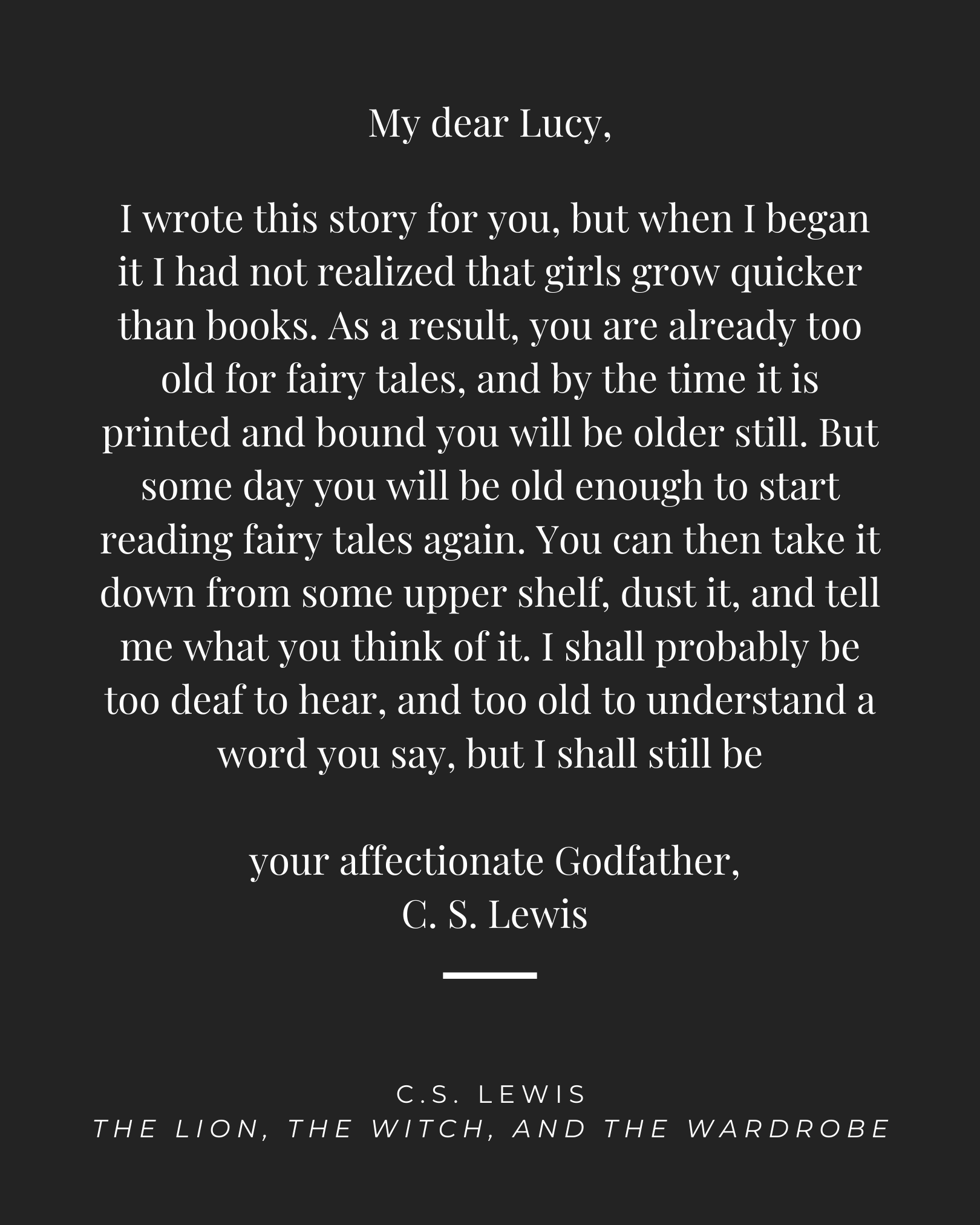
Lewis’ dedication to his goddaughter, invoking the future.
Dedication as a time capsule.
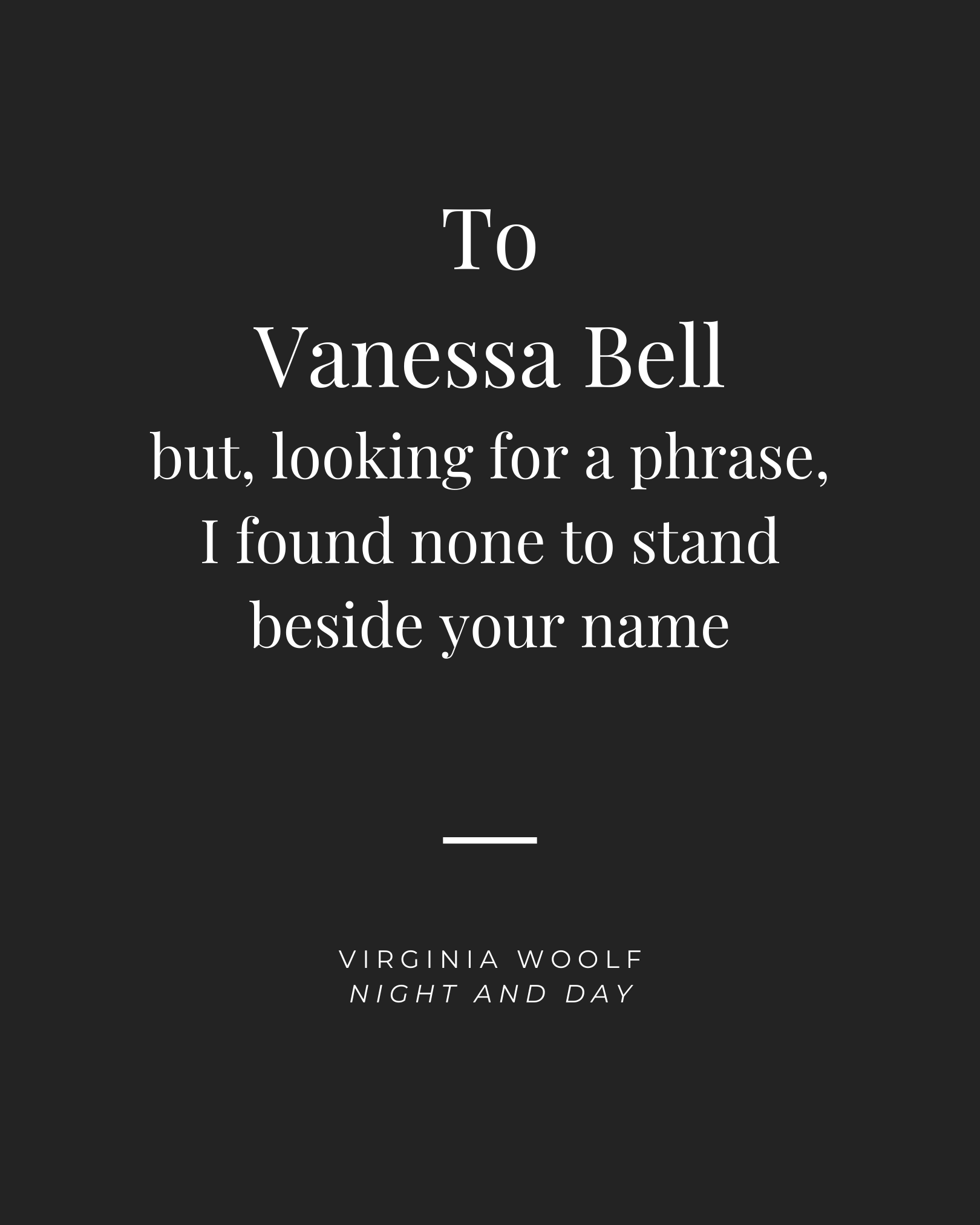
Woolf’s dedication to her sister. Layered, defiant, loving, and precise.
Dedication as emotion.
Not all books have dedications and sometimes the absence tells its own story.
In Walden, Henry David Thoreau names no one. He opens the book immediately, without ceremony, launching into his observations about living simply in the woods:
“When I wrote the following pages, or rather the bulk of them, I lived alone, in the woods, a mile from any neighbor…”
There is no dedication because the entire book is a dedication: to self-reliance, to deliberate living, to nature, to solitude, to the examined life.
Then there’s the dedication as a weapon.
In 1935, E.E. Cummings self-published a book of poetry called No Thanks, with the help of his mother. He dedicated it to the fourteen publishers who had rejected it, arranging the list in the shape of a funeral urn. The act poetic in itself.
And then there’s the sparse one.
When F. Scott Fitzgerald published The Great Gatsby in 1925, he wrote:
“Once again to Zelda.”
Zelda was his wife. Just four words, but their brevity and repetitive nature hint at a complex, devoted, yet estranged relationship that may require a novel—or ten—to fully understand.
There’s much in a dedication.
Words count.
The author knows that better than anyone.
Maybe we do a little better now too.
Sometimes a few words are enough.
Pass It On
If this idea was worth your time, it may be worth someone else’s.
Share this essay with a friend:
https://www.deeplifejourney.com/deep-life-reflections/5-december-2025
If you have a thought you’d like to share, please leave a comment below.
You can read all previous issues of Deep Life Reflections here.