Essays
Deep Life Reflections
A collection of essays on the ideas that shape how we live, think, and find our place, drawn from cinema, literature, and culture.
Copy
Deep Life Reflections
On Living More Deliberately.
Writing is how I make sense of what I’m thinking, what I see, and what it means. These essays reflect my ongoing exploration of identity, change, technology, resilience, attention, and craft — and how we can better understand and find our place in the modern world, living with more depth and intention.
Below you’ll find a complete collection of my essays. You can also browse my weekly newsletter, Deep Life Reflections, or search by keyword or theme.
I always welcome your thoughts or comments.
Search/Filter Dropdown
Click on the button to open the dropdown menu, and use the input field to search for a specific dropdown link.
A podcast discussing modern leadership.
Two very different views of success can teach us what growth really costs.
Building and nurturing rich social connections brings lasting benefits to both our minds and our lives.
Taking control of our health today can help ensure not just a longer life, but one filled with purpose and vitality.
A reflection of my unexpected battle with open-heart surgery—and the journey to recovery.
Rethinking our beliefs about ageing reveals how a positive mindset can keep our minds sharp and our lives meaningful, no matter our age.
Recognising how our future selves will change is crucial for making decisions that truly benefit the person we will become.
True influence comes not from charisma or status, but from cultivating trust, connection, and positive behaviours that inspire others.
Relying on work alone for fulfillment overlooks the essential long-standing human needs that enrich life.
The allure of doom and pessimism can trap us in negativity, but self-awareness and optimism are the keys to finding our path to personal growth.
Focusing on strengths, not weaknesses, leads to greater growth, happiness, and confidence—challenging conventional wisdom.
Modern distractions are eroding our focus, but a deliberate approach can help us reclaim the attention needed to create meaningful work.
Reaching the thirty-year milestone since turning seventeen, I look back on ten things I’ve learned during those three decades.
As a guest speaker at King’s College Hospital’s inaugural scientific convention, I shared insights on how we can find more intention, balance and cultivation in a distracted world.
Successful people quit fast and often when they detect a plan is not the best fit with their abilities and interests.
Uninterrupted focus is increasingly rare, but reading can strengthen our concentration and create more things of value in our lives.
Rather than labeling habits as good or bad, consider them effective or ineffective, guiding us toward the person we want to become.
In our quest for meaning, subtracting rather than adding may be the key, especially as we age, to discovering our 'second curve' in life.
In a disrupted world, we’ve lost the signposts and expectations on working norms.
In our distracted and anxious work lives, cultivating a regular flow state offers six key benefits to enhance professional performance.
Amid a hyper-competitive, self-centred society, the enduring strength of humility serves as a timely reminder.
Brains are great for having ideas, but not so good at storing them. Here’s where technology can step in.
Despite greater autonomy in our workdays, the rise in burnout suggests the need for smarter, more intentional approaches to how we work and live.
The ancient virtues of Stoicism—courage, justice, temperance, and wisdom—offer timeless guidance for shaping our daily lives.
In a society obsessed with speed and productivity, procrastination can be a hidden ally, giving us space to reflect, innovate, and connect more deeply with what matters.
Why embracing teamwork and group activities like running can help us reclaim the lost superpower of belonging and collective success.
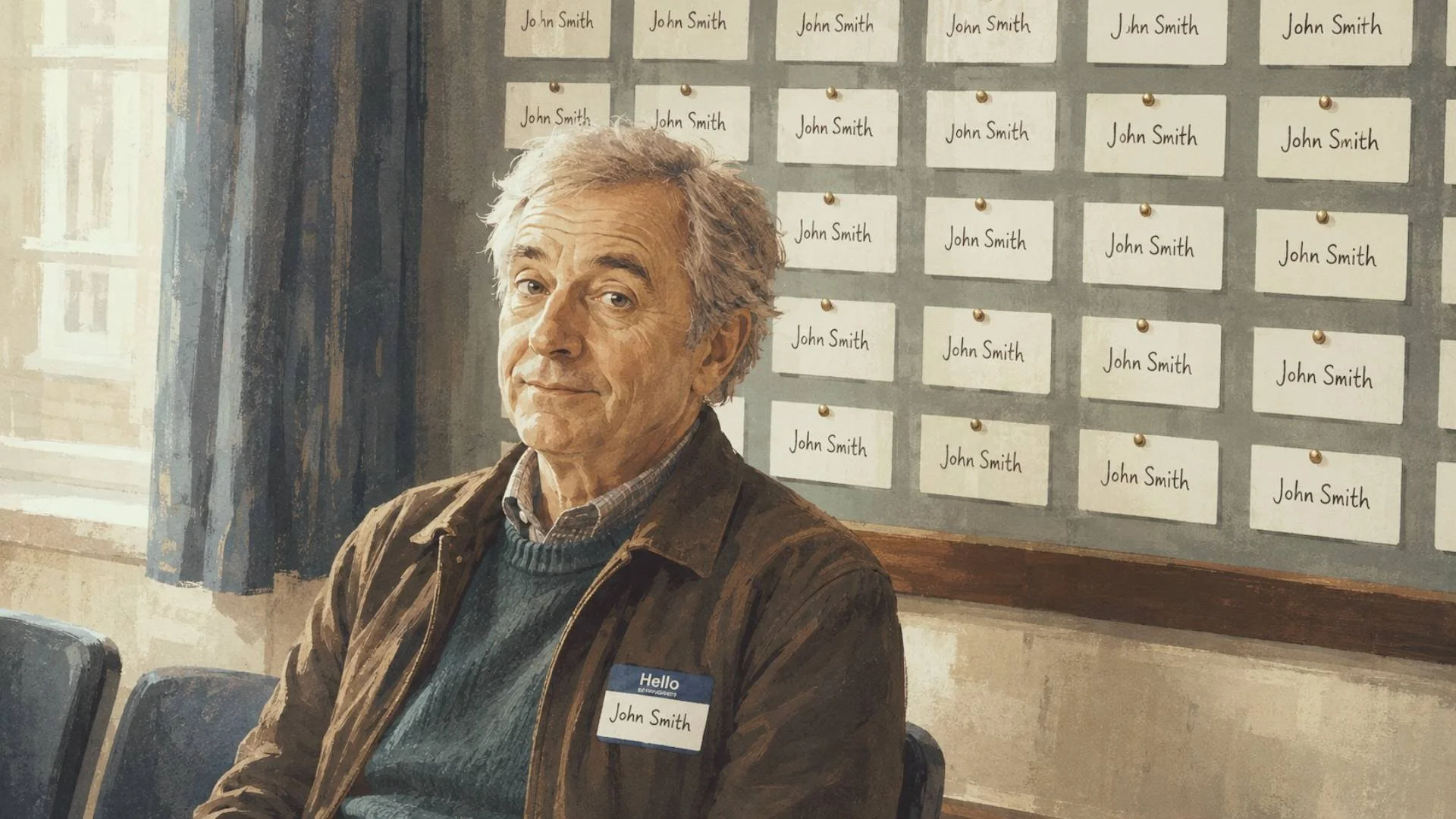
A name is supposed to identify us, but an overly common one can leave us feeling very ordinary.
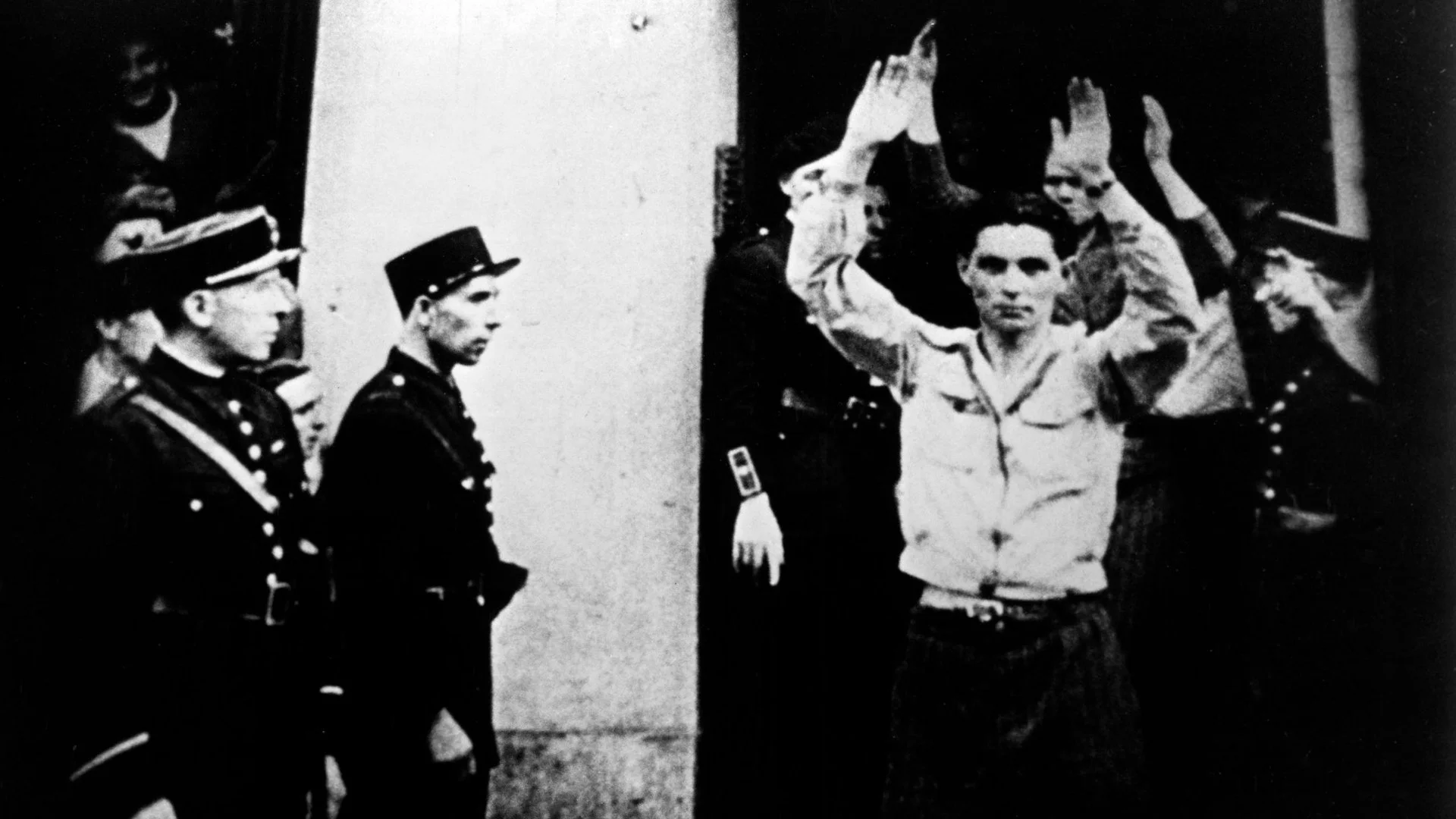
In periods of chaos and upheaval, people can endure guilt more easily than ambiguity.
The truly disturbing satirical characters are not the ones exaggerated beyond belief, but the ones reality slowly catches up with.
Our recent journey back to the moon matters because it pointed human ingenuity back toward difficult, civilisational goals.
Introspection can clarify your life—or distort it. The difference is whether it produces insight or just better self-justification.
Memory is less about recall and more about reinterpretation. And it gets more painful the more we understand.
Society doesn’t punish us for lying. It punishes us for refusing to play the game.
A true sacrifice is only real when it destroys your identity, not just your comfort.
Some memories don’t belong to us, but they stay with us anyway.
When the world we know disappears, the mind constructs its own order.
The more we try to matter, the harder it becomes to accept that we won’t.
What disturbs us most is not violence, but the corruption of what should be protected.
To be alone isn’t necessarily to be lonely. It’s often when we see most clearly.
We assume every life needs direction, resolution, or repair. Some don’t.
Friction builds craft. But craft, if held too tightly, can become a cage.
Some forms of endurance begin when hope has already gone—when you realise nothing is coming back.
We’ve become very good at simulating presence, and losing the real thing.
Not all debts are financial. Some of the most important are never written down—and take years to pay.
Frost starts at the edges. Given time, it covers everything.
We like simple stories. History rarely gives us any.
A few words at the front of a book can say more than everything that follows.
Turning 50 sharpens a simple question: what does it mean to live well?
You forget what it feels like when something finally goes right.
The idea that one word could explain a life is tempting—and almost certainly wrong.
Most of the fears we talk about aren’t the ones that actually drive us.
Nobel-Prize winning psychologist Daniel Kahneman shows us where we can and can’t trust our intuitions.